

Planning a trip to Paros Island in Greece? Look no further than our comprehensive guide. From stunning beaches and charming villages to ancient landmarks and delicious cuisine, we've got you covered. Discover the top things to see and do on Paros Island, as well as tips on where to stay and how to get around.
Smack bang in the middle of the alluring Cyclades, the ancient, windswept, archipelago south of Athens, lies wonderful Paros Island.
Less popular than nearby Santorini and Mykonos, Paros is slowly emerging as the star of the Cyclades, and it’s not hard to understand why.
The island has character and authenticity that’s hard to find elsewhere which makes exploring Paros an unbridled joy.
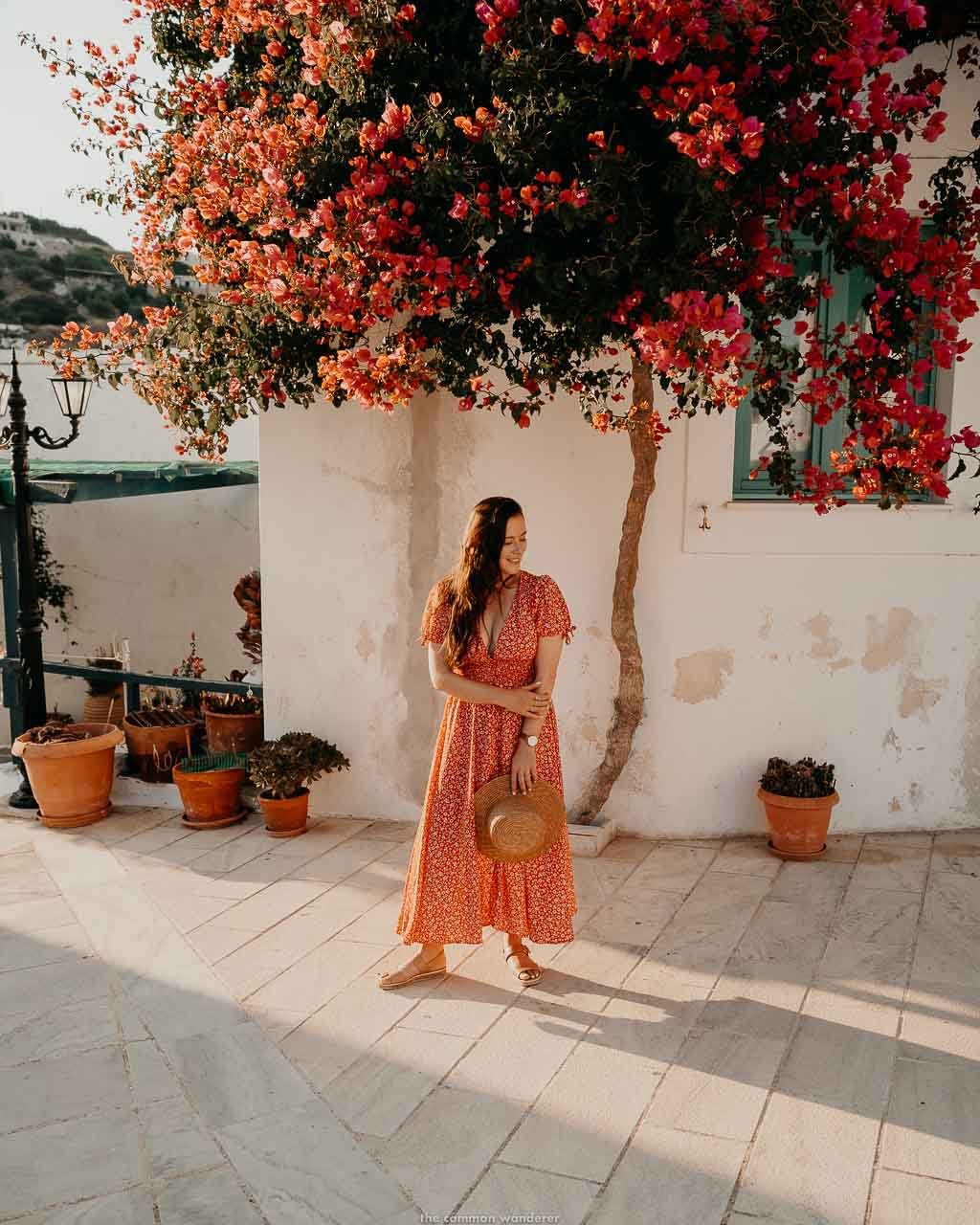
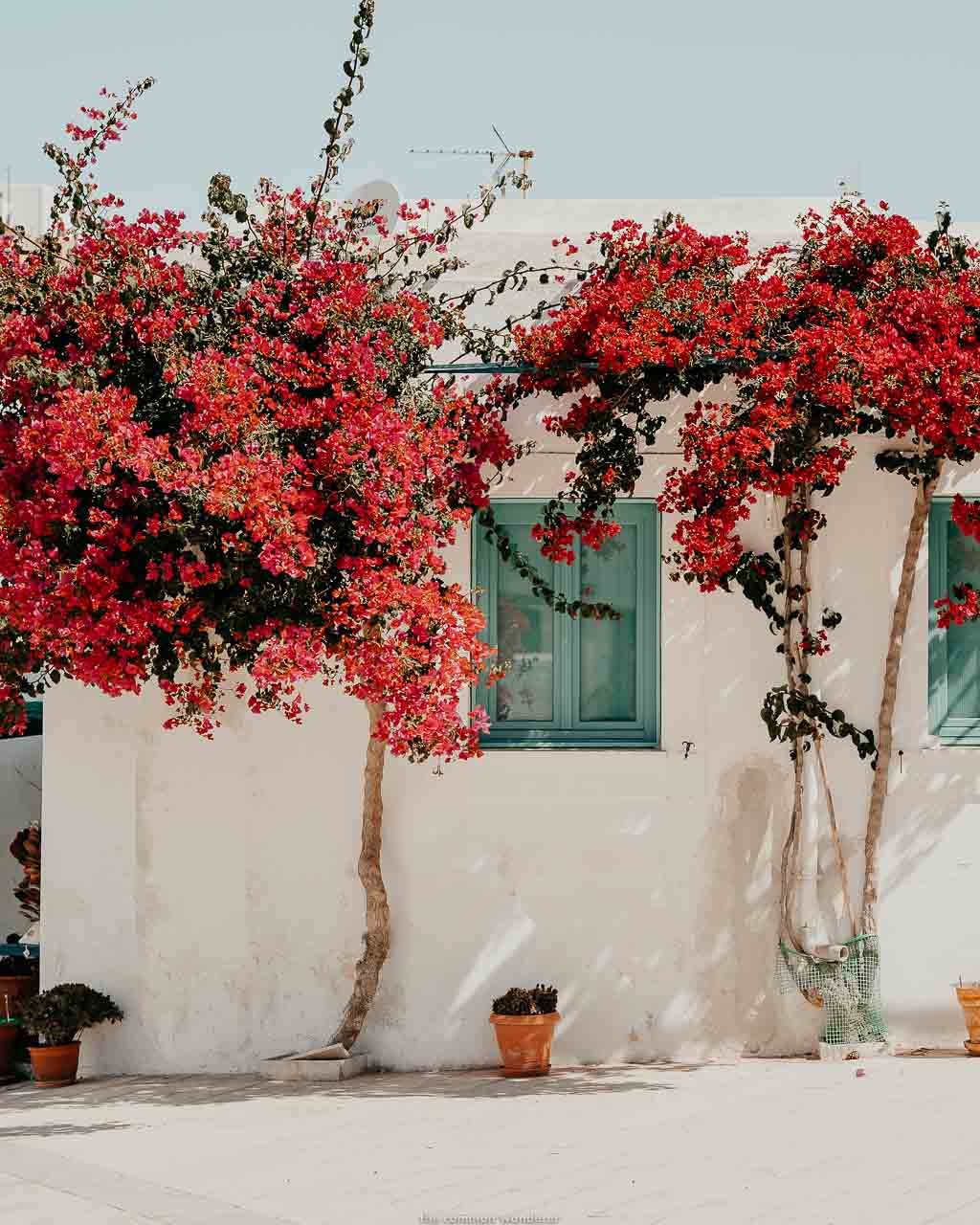
Filled with ubiquitous Greek island elements such as historic villages, endless marmalade sunsets, sun-drenched hilltop towns, bougainvillaea-covered laneways, endless golden beaches and hidden coves, Paros is quintessential Greece, and a visit here is a must on any Greek Island-hopping adventures.
To help you have the best vacation possible, we’ve put together this practical Paros Island guide.
From what to see and do, where to stay and eat, and the best villages to visit, to the best dining and wine experiences and essential transport options, our guide gives you all the information you need to enjoy Paros Island.
LOVE OUR PHOTOS? Edit like us with our European Summers Preset Packs, and mobile video filters, inspired by the warm hues and vibes of summers spent in Europe
PAROS
ISLAND
OVERVIEW
BEST FOR | Couples, food lovers, first-time Cyclades visitors, beach days, relaxed island-hopping
BEST TIME TO VISIT | May–June and September; avoid August if crowds bother you
HOW LONG | 5 nights minimum; 7 is the sweet spot
BASE YOURSELF | Naoussa — best food, bars and beach access
DON’T MISS | Naoussa harbour at sunset, the Byzantine Path, Petra Farm, a day on the water
GETTING THERE | Ferry from Athens (3.5–6 hrs); domestic flights from Athens (30 min)
GETTING AROUND | Rent a car to explore; buses cover the main towns and beaches
CURRENCY | Euro (€))
BOOK YOUR PAROS TRIP
WHERE TO STAY |Parīlio Design Hotel (luxury) · Bethlehem Townhouse (boutique) · Bungalows Svoronos (best value) · Sivanis Naoussa: Gaia 3 Apartment (apartment)
See our full Paros accommodation guide, or where to stay in Naoussa
CATAMARAN DAY TRIP | Sail Paros & the Lesser Cyclades - our favourite day trip from Paros
RENT A CAR | The easiest way to reach Paros' southern and western beaches, Lefkes - search via Discover Cars
BOOK YOUR FERRIES | Compare routes and book ferries to Paros through FerryHopper
GET CONNECTED | Set up an Airalo eSIM before you fly and have data ready when you arrive in Greece
TRAVEL INSURANCE | Get a quote from World Nomads, which covers 150+ activities
SPEND SMARTER IN GREECE| Get a Wise card to pay in Euros and skip foreign transaction fees
WHERE IS PAROS?
Want to visit Paros but aren’t exactly sure where it lies in relation to Athens and other popular Greek Islands, like Santorini or Mykonos?
Fortunately for travellers, Paros is located right in the heart of the Aegean sea, about 165 km from Athens. As part of the famed Cyclades islands, which include Santorini, Mykonos, Naxos and Ios, among others, it’s perfectly located to enjoy the best of Greece’s most popular islands and attractions.
It’s easy to get to from Athens (more on that below), and very easy to visit as part of a Cycladic Island hopping trip!
PAROS VS MYKONOS: WHY PAROS WINS
Mykonos and Paros were once cut from the same cloth - quiet Cycladic islands with deep history, whitewashed villages and a slower pace of life.
Then Mykonos became Mykonos: super yachts, €30 cocktails, beach clubs that charge entry and a general atmosphere that prioritises being seen over actually being somewhere.
Paros went a different way. And for now, it's still holding.
That said, let's be honest: Paros in 2026 is not the hidden secret it was five years ago.
The Netflix series One Day brought a wave of new visitors, boutique hotels are multiplying, and peak summer, particularly August, can feel noticeably busier than it once did.
The jetset is finding it.
But the bones are different, and that matters. No international airport means access stays naturally limited.
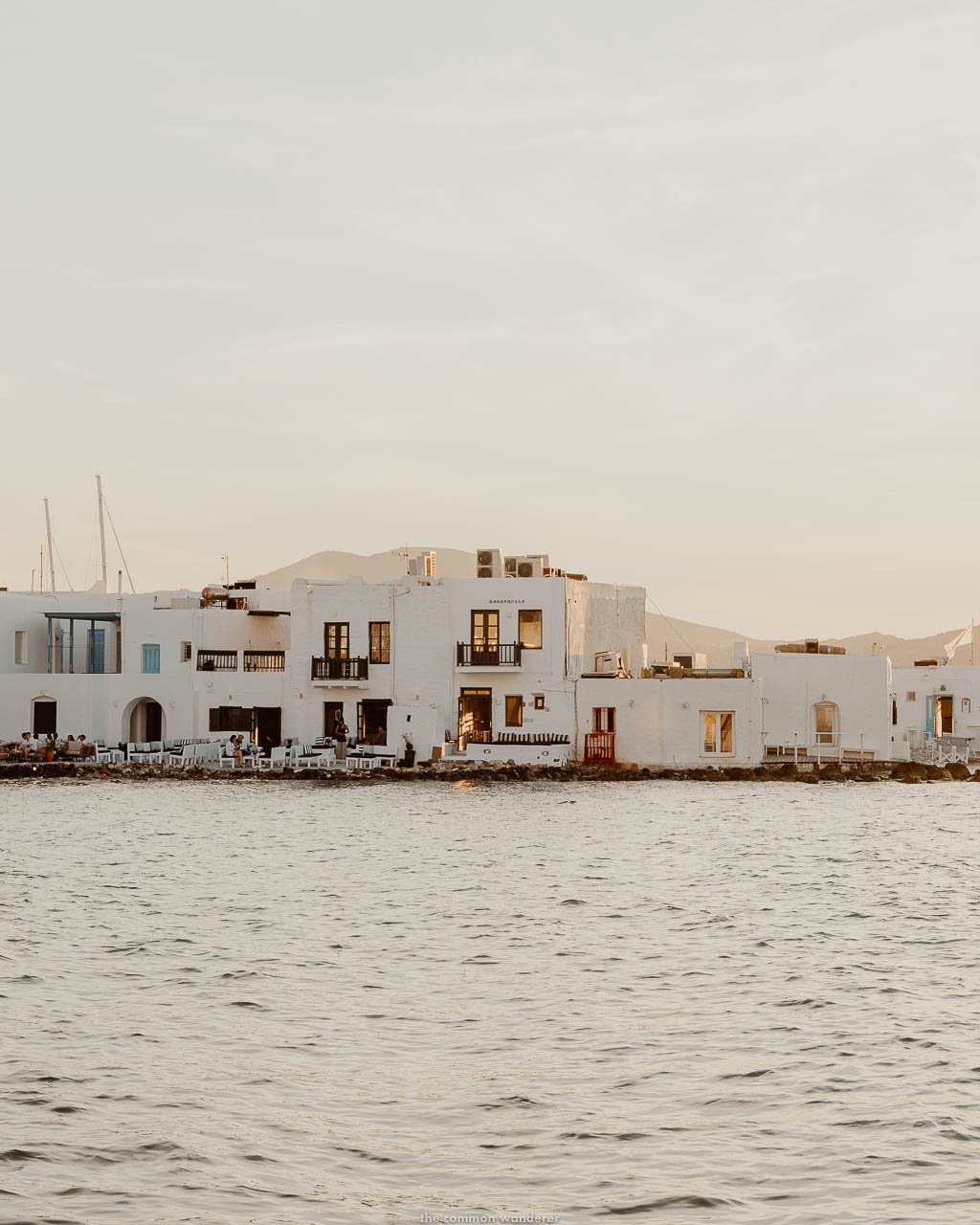
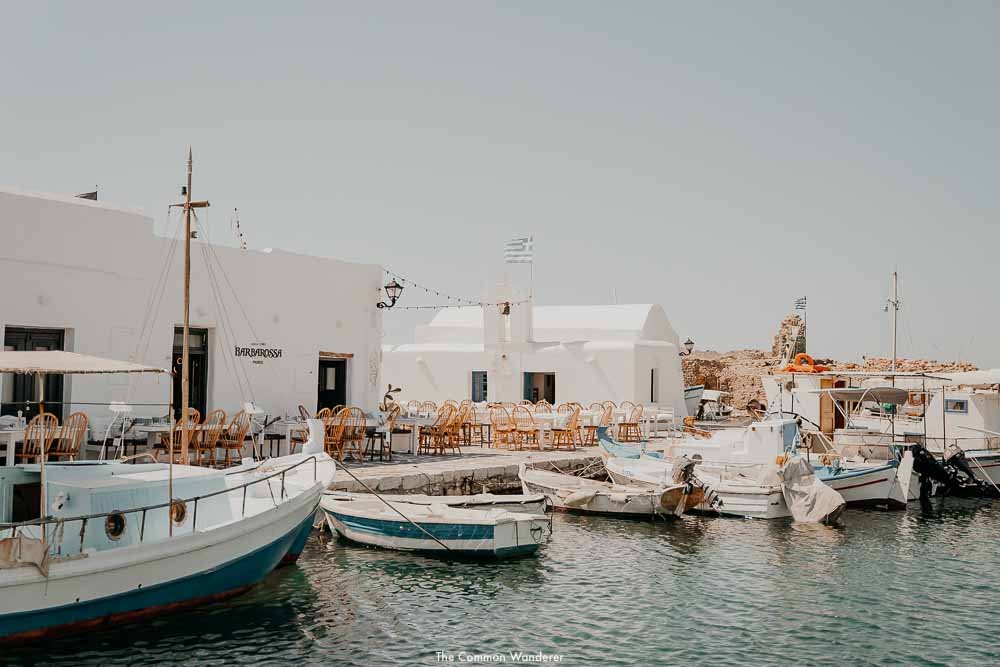
Cruise ships don't stop here. The fishing boats in Naoussa harbour are real, the taverna owners are locals, and the inland villages, such as Lefkes, Prodromos, Marpissa, remain genuinely unhurried.
Development is happening, but it's not (yet) at Mykonos's pace or register.
The distinction we'd draw is this: Mykonos is a performance. Paros is still a place. If you want to party on a superyacht, Mykonos is waiting.
If you want long lunches, village hikes, honest food and a Greek island that still feels like one — come to Paros.
Just come soon.
A BRIEF HISTORY OF PAROS ISLAND
Here's something worth sitting with: the marble beneath your feet as you wander Parikia's old town is the same marble that built the Temple of Zeus at Olympia, the Temple of Apollo at Delos, and the Winged Victory of Samothrace, now hanging in the Louvre.
Parian marble was, for centuries, considered the finest in the ancient world, and this small Cycladic island was its source.
That's the wonderful thing about Paros. The history isn't abstract, it's embedded in the streets, the buildings and the harbour views you'll enjoy every day of your visit.
The island has been continuously inhabited since the 3rd millennium BC, rising to prominence during the Archaic period as a commercial powerhouse built on marble, trade and a community of artisans whose work spread across ancient Europe.
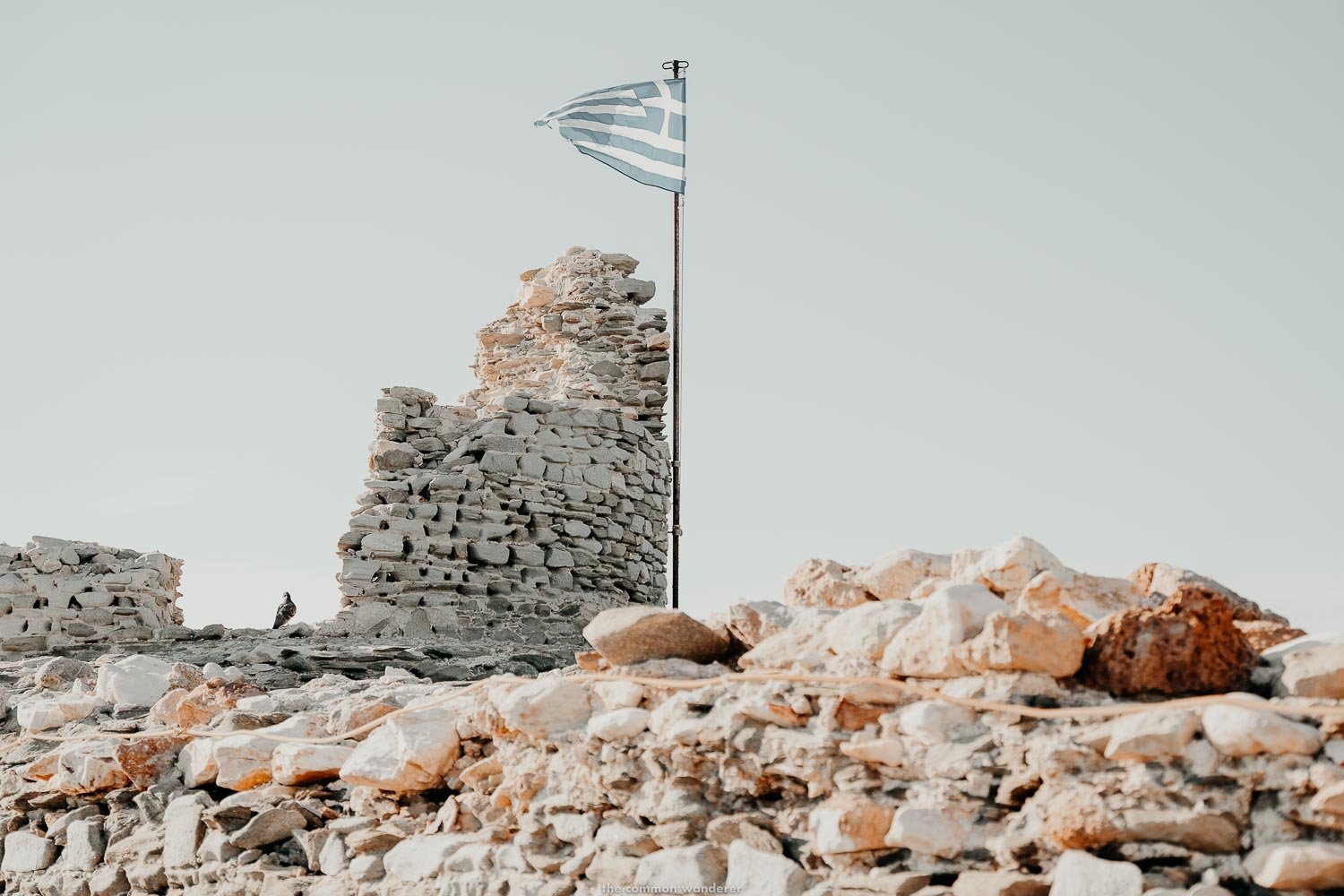
It sided with the Persians (a miscalculation), survived the fallout, and went on to thrive under Venetian rule, remnants of which still stand in the Frankish Castle in Parikia and the crumbling fort at Naoussa harbour.
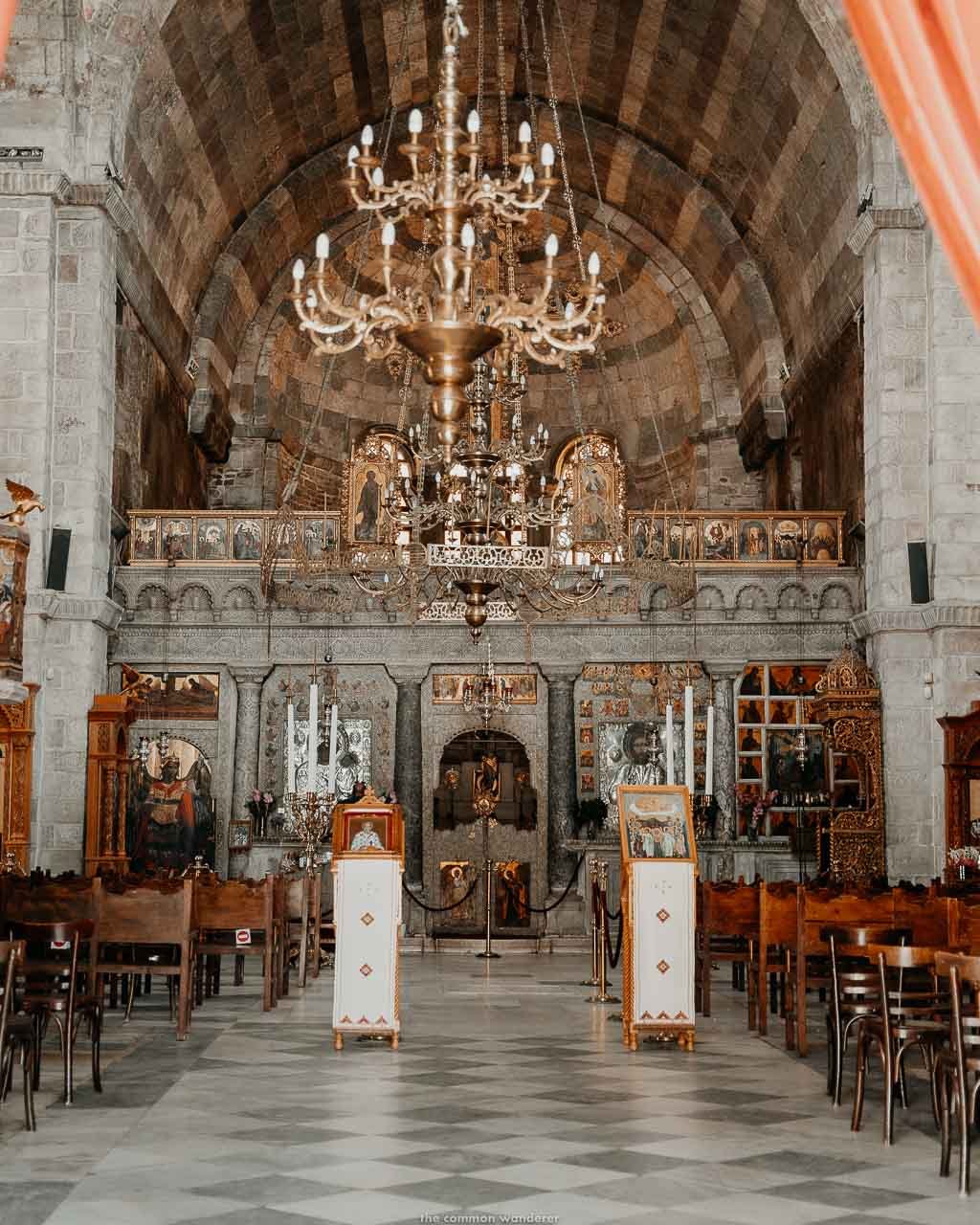
The Byzantine era gave the island the Panagia Ekatontapiliani, one of the oldest Christian churches in Greece, before Paros passed through Ottoman hands and eventually returned to Greek sovereignty after the 1821 Revolution.
So when you're nursing a Paros Spritz at sunset over Naoussa harbour, or running your hand along the walls of the old town, you're doing it somewhere that has been continuously, consecutively inhabited for over 5,000 years.
That's pretty cool.
PAROS HAS NO INTERNATIONAL AIRPORT…
If you’re planning to fly directly to Paros, think again - the island does not have an international airport, unlike nearby Mykonos or Santorini.
There is, however, a domestic airport on the island, meaning daily flights are possible from Athens (more on that below).
Whether it be geography or wonderful forward planning by the municipality, we think the lack on international airport is a wonderful thing, as it reduces the demand on the island and keeps noise pollution to a minimum. There is talk of a an international airport being built in the future, but that remains to be seen.
But this does mean it can be a little tricky to get to Paros if you’re coming from further abroad.
First, you’ll need to fly to the nearby city of Athens, and then catch a ferry or domestic flight to Paros. Or, find a direct flight (depending on your departure city) to Mykonos or Santorini, and catching ferry to Paros.
We think flying to Athens, and taking the ferry from there is the best option, which we outline below.
THIS IS THE BEST WAY TO GET TO PAROS
The ferry is the way.
There's really no debate - it's faster than the domestic flight once you factor in airport faff, more affordable, and frankly more enjoyable.
That, and watching the Cyclades materialise out of the Aegean on the approach to Parikia, is one of those arrival moments that stays with you.
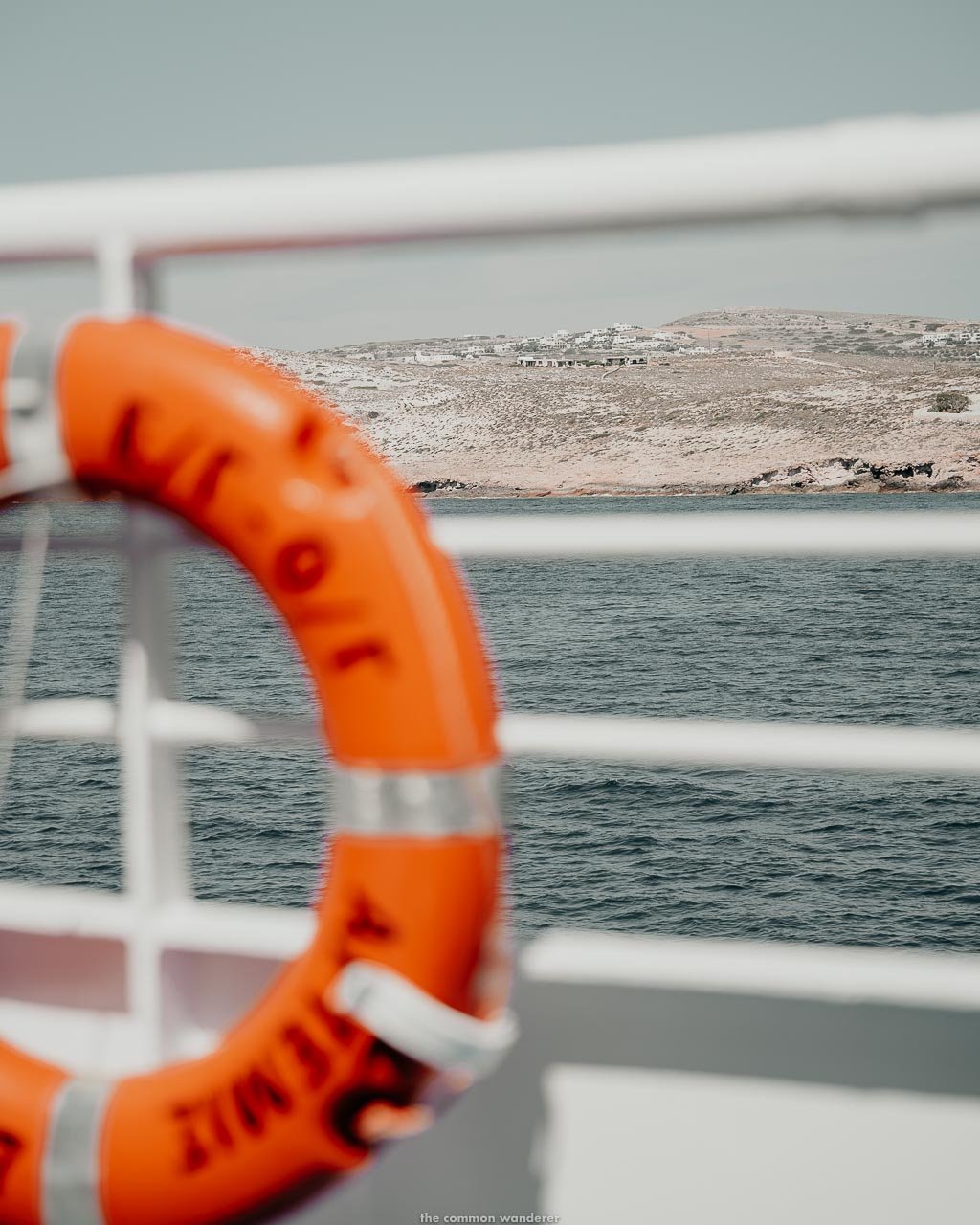
Ferries run multiple times daily from Piraeus (Athens's main port), with crossing times ranging from around 3.5 hours on a high-speed service to 5–6 hours on a conventional ferry. Blue Star Ferries, Seajets, Minoan Lines and Fast Ferries all service the route.
A couple of practical tips from experience: book well in advance in summer - boats sell out - and once onboard, head straight to the upper deck to claim a seat or sofa before everyone else has the same idea.
We booked all our tickets through the FerryHopper app, which makes comparing routes and times straightforward.
For full details on routes, timings, flight options and everything else, our Athens to Paros guide has it covered.
BOOK | Athens to Paros ferry tickets via FerryHopper

WHEN TO VISIT PAROS
Paros rewards visitors almost year-round, but timing your trip well makes a genuine difference, both in experience and cost.
Below is a breakdown of peak periods to visit, with our preferences included:
MAY
May is our personal pick, and we'll go on record saying it: Paros in May is as good as the Cyclades get.
The island is warm but not punishing, the sea is swimmable, wildflowers are still out, crowds are minimal, and Naoussa feels unhurried and genuinely magical.
We visited in May, and it was, simply, gorgeous. Book it if you can.
JUNE
June is still excellent in the first half, but by mid-to-late June the meltemi winds start to assert themselves - a strong, dry northerly wind common across the Aegean that can make beach days more challenging and ferry crossings rougher.
Still a great time to visit, but go in knowing that some days the wind will have other ideas.
PEAK SEASON
July & August are peak season in every sense - busy, hot, windy and noticeably pricier.
The meltemi winds are at their most persistent, and accommodation books out fast. That said, Paros handles the summer crowds far more gracefully than Mykonos or Santorini.
If summer is your only window, it's still worth it - just book early, in a small town and set your expectations accordingly.
SEPTEMBER INTO EARLY OCTOBER
This is the other sweet spot, and arguably the most underrated time to visit. The summer crowds thin, the sea is at its warmest, the light turns long and golden, and the island exhales.
Restaurants and bars are still open, beaches are blissfully quieter, and accommodation prices drop meaningfully. If May isn't possible, this is your window.
The short version | May or September into early October. Those are your windows. Everything else is a compromise.
HOW LONG DO YOU NEED ON PAROS ISLAND?
Honestly, we could spend our whole summer on Paros and still not be satisfied... but we think spending five nights on Paros is ideal.
Five nights might sound like a lot to those wanting to Island hop throughout the summer, but Paros was hands down the best island we visited in the Cyclades, and there are just so many things to do on Paros that make it impossible to see and enjoy in just a few days. Seven days is the sweet spot, but two weeks is ideal.
It’s also cheaper than many other popular islands such as Santorini or Mykonos, so spending more time here will stretch your holiday dollars further.

HERE’S WHAT TO SEE AND DO ON PAROS
Paros punches well above its size.
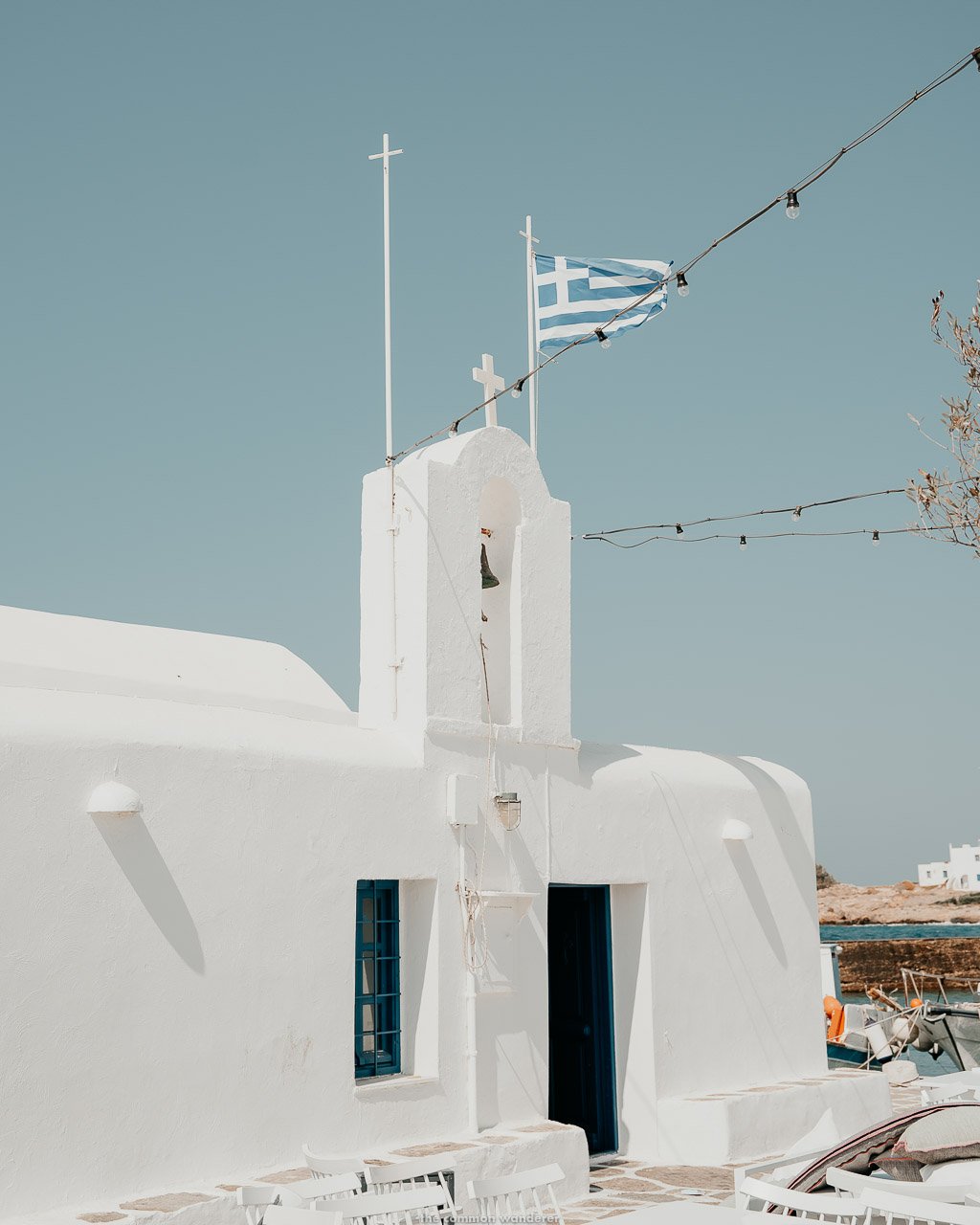
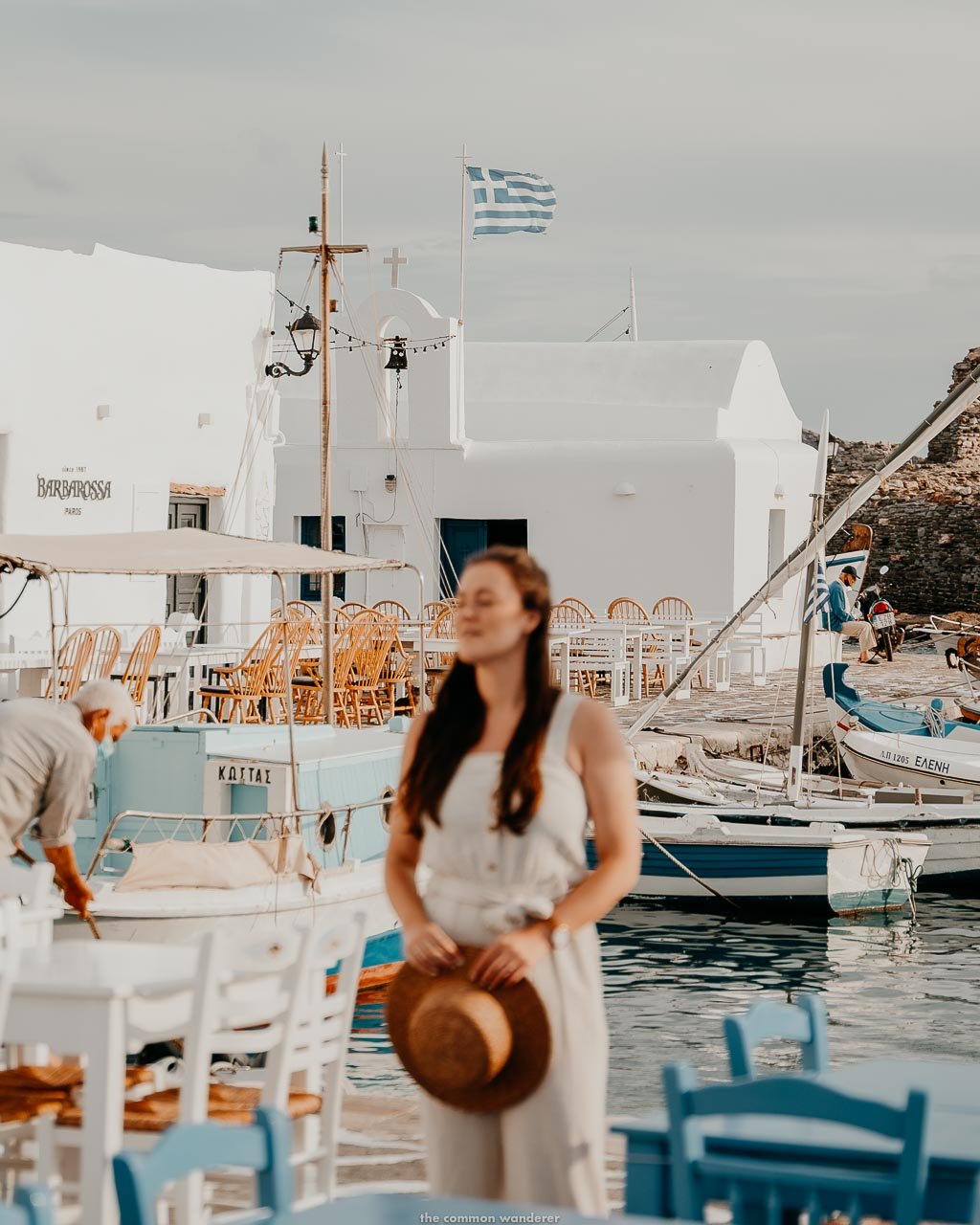
In a relatively compact island, you'll find one of the most beautiful fishing harbours in the Cyclades, a former hilltop capital that might be the prettiest village in Greece, ancient Byzantine hiking trails, world-class beaches, organic farm experiences and some of the most underrated wine in the Mediterranean.
The short version: base yourself in Naoussa, spend a half-day in Parikia, make time for Lefkes, and get to the beaches early.
If you can get out on the water and explore the Lesser Cyclades by catamaran, do it; it's one of the best day trips in the Aegean.
For the full breakdown of every experience worth having on the island, our Things to Do in Paros guide covers everything in detail.
EXPLORE | Full day sailing cruise around the Lesser Cyclades


WHERE TO EAT AND DRINK ON PAROS
Parian cuisine is one of the island's great, underrated pleasures.
The combination of fertile land, abundant sea and a deeply ingrained culture of cooking with local produce makes eating on Paros a genuine highlight, not just a necessity between beaches.
Look out for the dishes that define the island: claypot chickpeas, fava bean dip, kakavia (a rich fish soup), fresh calamari, zucchini fritters, tomato balls and an array of local cheeses.
Tavernas across the island champion these with real pride, and the quality is consistently excellent.
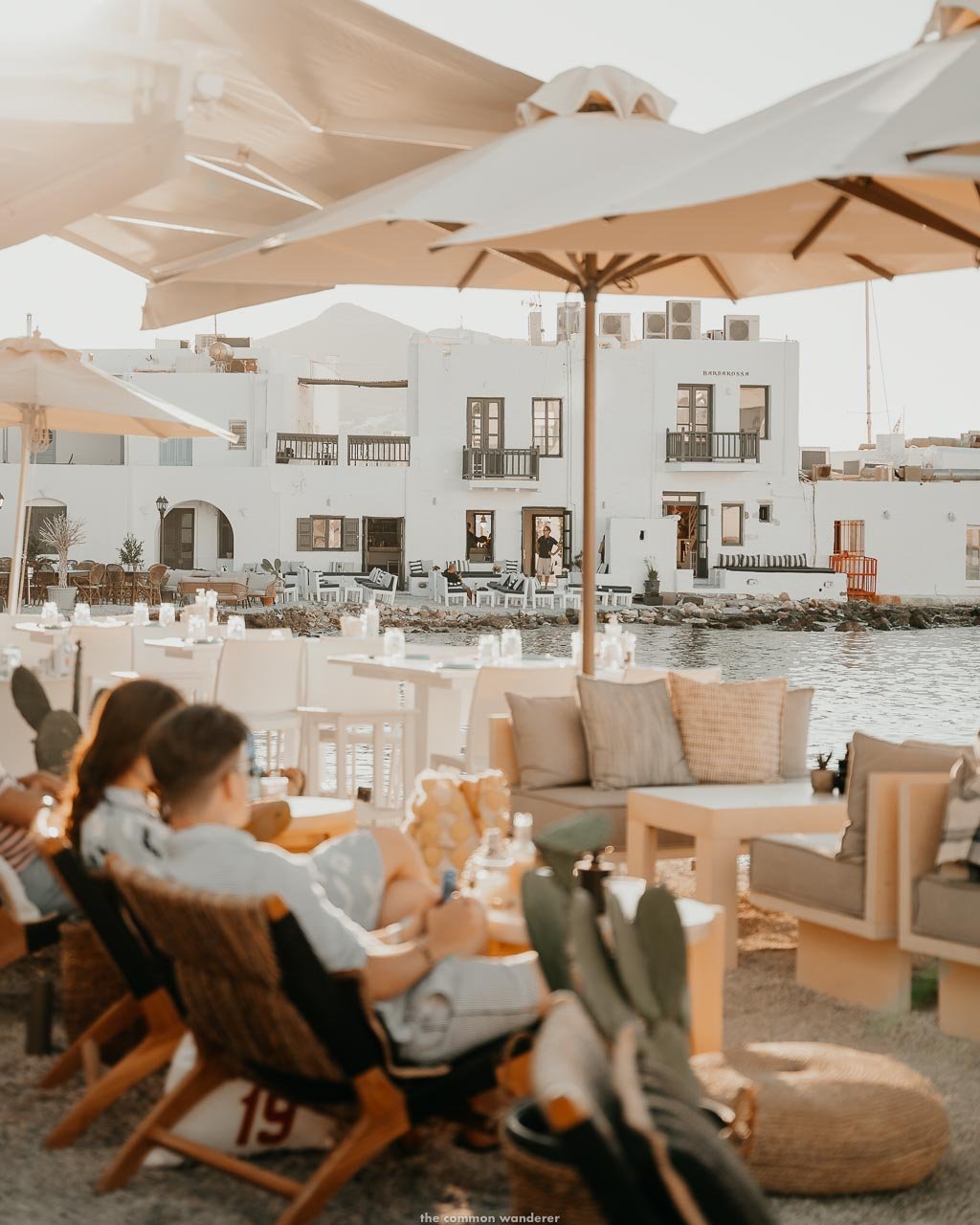
A few experiences worth seeking out specifically: a harbour dinner in Naoussa under the fairy lights at Mario, a long, lazy lunch at Thalassamou overlooking the marina, and the chickpea stew at Chrisoula in Lefkes, possibly our favourite dish on the entire island.
For coffee and creative daytime food, Almond | Paros in Naoussa was our daily ritual.
For the full restaurant and bar breakdown by neighbourhood, including where to eat in Naoussa, Parikia and Lefkes, our Things to Do in Paros guide has every recommendation in detail.


DON’T FORGET TO EXPLORE THE INTERIOR VILLAGES
The coastal towns get all the attention, but Paros's interior is where the island reveals its quieter, older self.
Lefkes is the centrepiece, a 17th-century hilltop village built deliberately inland to escape Mediterranean piracy, and once the island's capital.
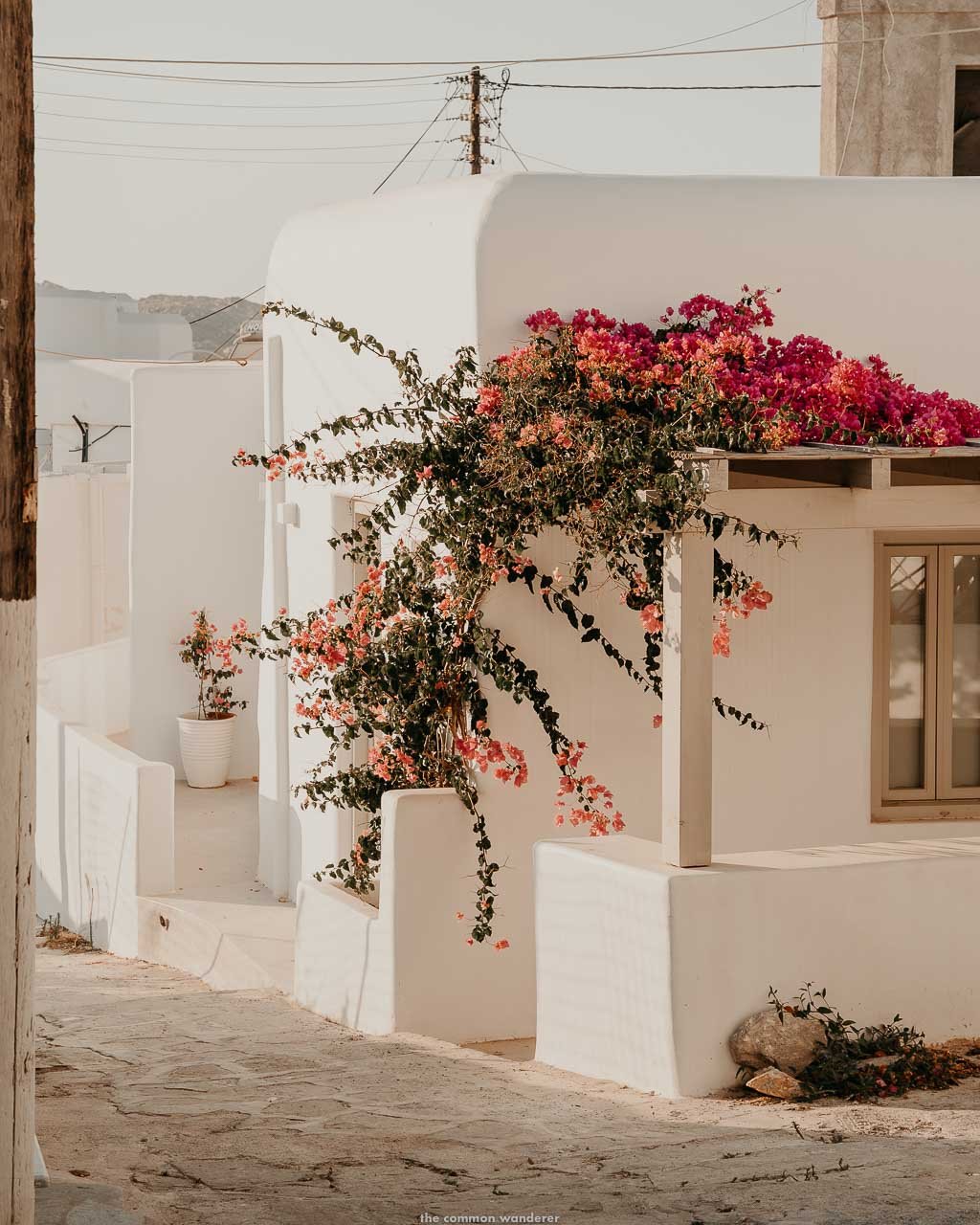
Today it's all bougainvillea-lined squares, narrow stone laneways and neo-classical architecture in various states of beautiful disrepair. We visited four times and could have gone back for more. Time genuinely stands still here in a way that's increasingly rare in the Cyclades.
From Lefkes, the ancient Byzantine Road winds down through two equally worthwhile villages: Prodromos, with its jasmine-lined streets and the excellent Kallitechniko café, and Marpissa, sleepy and photogenic with its famous pink door and timeless cobbled streets.
Walk the trail between them, end with a cold drink in Marpissa, and catch the bus back. One of the best half-days on the island.
For everything you need to plan your visit, including where to eat, what to see and how to get there, our Lefkes Village guide has the full details.
BOOK | Prefer a guided experience? This Paros day tour covers Lefkes and the island's major highlights without the planning stress.

THE BEST BEACHES ARE SCATTERED AROUND THE ISLAND
Paros has some of the best beaches in Greece, and we say that having spent a lot of time looking.
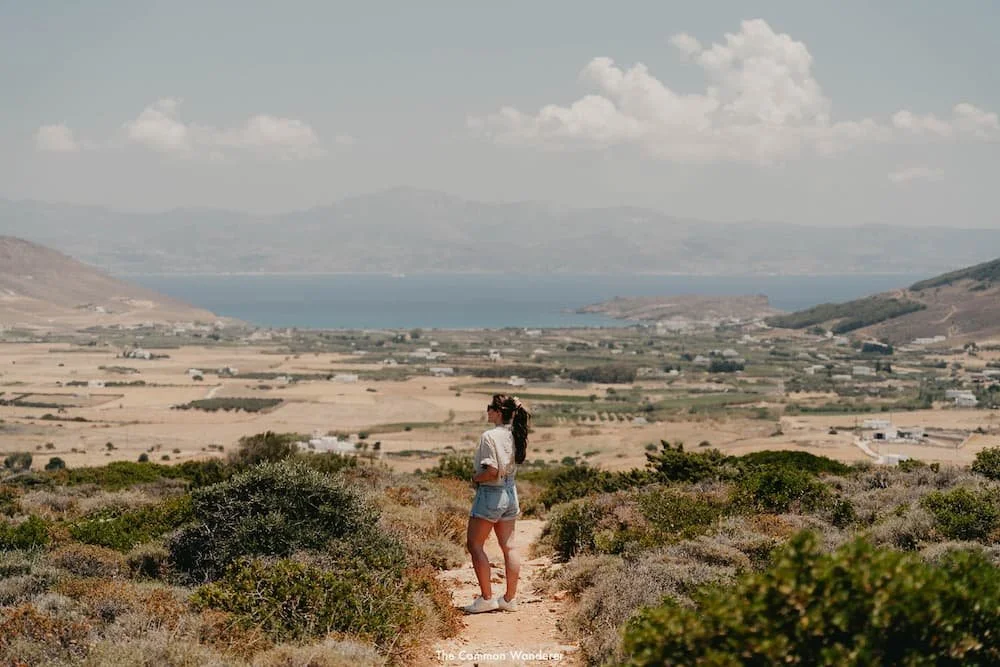
What makes the island particularly good is the variety: calm, sheltered coves in the north perfect for lazy days, and wilder, more dramatic stretches in the undeveloped south for those willing to make the trek.
Our personal highlights: Mini Santa Maria for its hidden calm and proximity to our favourite taverna; Kolymbithres for its otherworldly rock formations and golden afternoon light; Faragas in the south for sheer beauty and quiet; and Kalogeros, the island's most unique beach, where the natural clay mud makes for an unexpectedly excellent (and chaotic) afternoon.
For the full breakdown of every beach worth visiting, including how to get there, what to expect and which to skip, our Paros beaches guide has everything you need.
READ MORE | These are the best beaches on Paros Island
BEACH CLUBS ARE EXPENSIVE
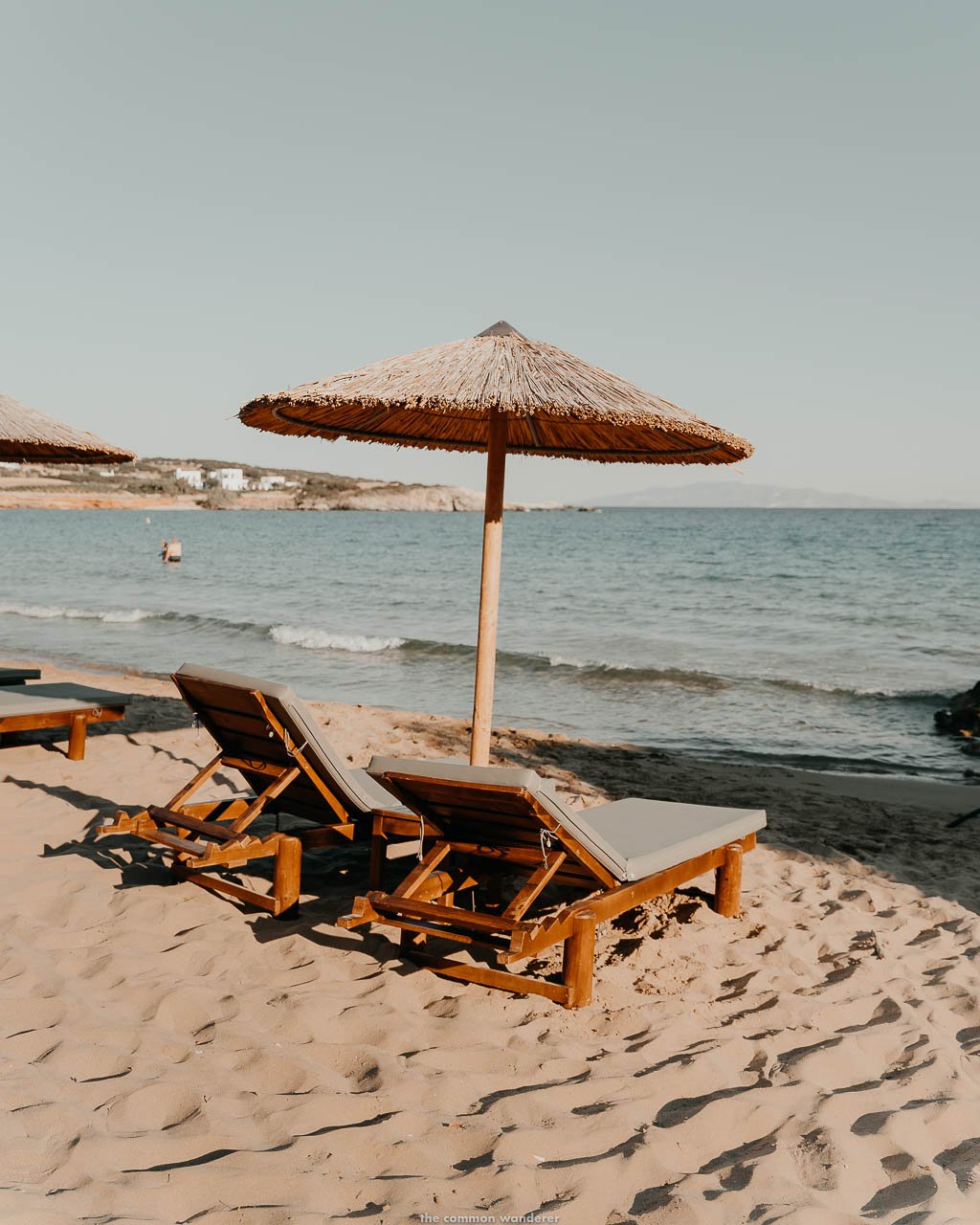
Beach clubs on Paros are nothing like those on Mykonos or Santorini - here it’s a more sedate affair, where the chilled vibes are more important than the music, which, if you’re like us, will suit you just fine.
And although they’re not as expensive as Mykonos or Santorini, they still cost a pretty penny, especially in the Summer months. At the more popular beach clubs, such as Santa Maria or Faragas, expect to pay at least €30 - €50 per person for the day, including sunbed hire, food and drinks. Compared to Mykonos, this feels like pocket money, but for us Australians, where a day at the beach is free, it hits hard.
That being said, you get a sunbed for the day, access to the club facilities, including change rooms, access to food and drinks, and if you’re feeling boozy, some pretty excellent cocktails.
However, we found the best beach clubs were at Mini Santa Maria, and Faragas, where the vibe was chilled, the prices manageable, the service adequate (never expect good service at beach clubs!), and the waters inviting.
Each beach club, including Golden Beach, Punda, Santa Maria, Faragas and Kolympethres Beach, is always packed out, so if you plan on visiting and having a nice relaxing day, book ahead.

IS PAROS EXPENSIVE? COSTS + BUDGETING
Paros sits comfortably below Santorini and Mykonos on the cost scale, where a cocktail can set you back €22 and a beachfront lunch feels like a financial decision.
But it's creeping up year on year as its profile rises, and budget travellers who visited five years ago may notice the difference.
Here's a rough sense of what to expect:
Accommodation | Ranges from around €30–60 per night for a decent budget option or hostel dorm, €100–180 for a well-located mid-range hotel in or near Naoussa, and €250+ for luxury.
Peak August rates push everything up by 30–50%.
Food | Here is where Paros still delivers exceptional value. A full meal at a good taverna — think grilled fish, salad, bread, a carafe of local wine — will run €25–40 per person. Casual lunches, souvlaki and market food can come in well under €15.
Drinks | At a cocktail bar in Naoussa, expect to pay €10–15 per drink. Local wine by the carafe at a taverna is considerably cheaper, and ouzo remains gloriously affordable everywhere.
Transport | Overall, transport is reasonable. Car rental from around €25–35 per day in shoulder season (higher in August), buses from €2 per trip.
TO SUMMARISE | A couple travelling in shoulder season, staying in a mid-range hotel, eating at tavernas and renting a car for a few days should budget around €150–200 per day all-in.
Peak season, add 30–40%. Either way, you're getting considerably more for your money than you would on Mykonos or Santorini, and the experience, we'd argue, is better.
HOW LONG TO SPEND ON PAROS, AND HOW TO PLAN YOUR TIME
Paros is deceptively small. You could, technically, tick off the main sights in three days. We'd strongly advise against it.
The island rewards slowness, long dinners that drift into the small hours, mornings spent over coffee watching the harbour wake up, afternoons that start at the beach and somehow end at a winery. That's not wasted time. That's the point of a summer vacatoion.
Five nights is our minimum recommendation. Seven is the sweet spot. Two weeks, if you can swing it, and you still won't want to leave.
Base yourself in Naoussa.
It's the most beautiful town on the island, has the best restaurants and bars, and sits within easy reach of the north's best beaches.
From here, Parikia is 30 minutes by bus, Lefkes is a short drive, and the Byzantine Road hike is on your doorstep.
Use your days loosely: a morning in Parikia's old town, an afternoon at Kolymbithres, a half-day walking the Byzantine trail from Lefkes to Marpissa, a long lunch at a beach taverna, a tasting at Moraitis.
Somewhere in there, book a sailing cruise around the Lesser Cyclades, it's one of the best days you'll have in Greece.
The rest? Leave unplanned. Paros is best when you let the day come naturally to you.
For a suggested day-by-day itinerary covering the island's highlights, head to our Things to Do in Paros guide.
BOOK | Full day sailing cruise around the Lesser Cyclades
HERE’S WHERE TO STAY IN PAROS
Our strong recommendation is to base yourself in Naoussa - it's the most beautiful town on the island, has the best restaurants and bars, and puts you within easy reach of the north's best beaches.
Parikia is a more affordable alternative with its own charm, and if you're after total seclusion, the hill villages like Lefkes have some genuinely special options.
We've stayed across the island and put together a full guide covering every budget and neighbourhood - from luxury design hotels to a converted windmill in Lefkes.
READ MORE | Where to Stay in Paros is our complete guide to hotels, villas and apartments across the island, including the best hotels in Naoussa

PUBLIC TRANSPORT ON PAROS IS GREAT
The good news: public transport on Paros is genuinely better than you'd expect.
The bus network is reliable, air-conditioned and cheap - tickets run from €2.00 to €3.50 depending on the route, with the Parikia–Naoussa run costing €2.00 and hourly services in summer to most major beaches and villages.
Buy tickets before boarding at kiosks and tourist shops across the island, or grab a full-day pass for €10 if you're planning to cover a lot of ground. Check the latest timetables at KTEL Paros.
That said, if you want to explore the island properly, from the southern beaches, the hill villages, the quieter corners, hire a car. Paros is larger than it looks on a map, and having your own wheels changes the trip entirely.
Shoulder season rates start from around €25–35 per day; peak summer pushes higher, and the Parikia–Naoussa road can get genuinely congested in July and August, so factor that in.
ATVs and scooters work well for shorter beach hops around Naoussa — they're easier to park in peak season, which is no small thing. For anything longer, the comfort trade-off isn't worth it.
Note, you'll need a motorbike licence to rent a scooter in Greece.
BOOK | Search car rental on Paros
READ MORE | How to get from Parikia to Naoussa (and back)

PREPARE FOR WIND ON PAROS ISLAND
Paros, like all the Cycladic Islands, is prone to extreme summer winds, known as the Meltemia, which can make the south and west parts of the island extremely windy.
The Meltemi is a strong, dry northerly wind that blows ferociously over the Aegean sea. The wind funnels between the Cycladic islands which causes the speed to be intense, and sometimes causes ferries to be cancelled.
During our visit in June and early July, the winds were just starting to increase, with the peaks occurring around July and August. Most days are lovely, and the wind provides a lovely respite from the harsh sun.
On strong wind days, it makes life quite uncofortable, especially if you plan to spend your days lazy by the beach - expect a mouthful of sand, and a constant breeze through your hair.
If this is the case, consider visiting beaches that area hidden in the northern part of the Island, such as Kolymbitheres.
Now, if you’re a windsurfer or love sailing, these winds are heavenly.
WATER IS IN SHORT SUPPLY
Paros receives very little rainfall, so unsurprisingly, suffers from extreme water shortages, particularly during the peak tourist season.
To help reduce the pressure on water supplies, keep your water usage to a minimum. We know that’s hard to do on holidays, but quick showers, and turning the tap off when brushing your teeth, cleaning etc. really help.
LEARN MORE | See how to save water on Paros here

REMEMBER TO NOT FLUSH YOUR TOILET PAPER
In Greece, and especially on the Greek Islands, the sewerage pipes are antiquated and narrow, and therefore clog very easily. As a result, it’s customary here to not flush your toilet paper and instead, wrap it up and pop it in the bin .
YOU CAN DRINK THE TAP WATER ON PAROS, WITH CAUTION
The good news - you can drink tap water on Paros, especially in the mountain villages, where water is sourced from some very fresh springs.
The bad news - you should probably still use a water filtration bottle, just in case.
Although tap water is fine, the mineral content can be quite high, so can take a little getting used to for our bodies. The result could be a bit of a dodgy tummy for a few days, and it’s maybe not worth it if you’re only visiting for a short period.
Now, we’re totally against buying plastic bottles, especially on the Greek Islands, where plastic pollution is a huge problem.
Our advice - buy this water filtration bottle before leaving, and you can drink safe, fresh water everywhere you visit. It’ll save you a heap of Euros in the long run, and also save marine animals and those pretty beaches you like to relax on.
BUY | Water filtration bottle
TRAVEL RESPONSIBLY ON PAROS ISLAND
Paros is a genuinely special place, and like much of Greece, it's feeling the pressure of overtourism and plastic pollution, both of which we witnessed firsthand during our time on the island.
A few things that make a real difference:
Travel in shoulder season, such as May or September, when your visit supports local businesses without adding to peak-season strain.
Bring a reusable water bottle - 4.5 million single-use plastic bottles are used on Paros annually, many of which end up on its beaches.
Eat at locally owned tavernas, buy from local producers (Petra Farm is a great example), and if you see rubbish on a beach, pick it up.
It's not complicated. It's just travelling with a little more care.
READ MORE | Our complete guide to responsible travel

A FEW FINAL TIPS FOR PAROS
Cash is king for small transactions | Buses, market stalls and smaller tavernas often prefer it. ATMs are available across the island, including in Lefkes, but carry some euros at all times. When paying by card, always select the euro (not your home currency) to avoid poor conversion rates.
Siesta is real | Between roughly 2 pm and 5 pm, particularly in the hill villages, businesses close and the island goes quiet. Don't plan to shop, eat or explore during this window without checking first. We learned this the hard way in Lefkes.
Schengen visa | Most visitors to Greece are covered by the Schengen agreement, which allows 90 days of travel across Europe within any 180-day period. Worth knowing if you're combining Paros with a broader European trip.
Get a local SIM | Coverage across Paros is mostly 4G and reliable enough, but a Greek SIM card is inexpensive and worth picking up in Athens before you board the ferry. Useful for offline maps, especially once you're navigating the island's back roads.

TRAVEL INSURANCE | STAY SAFE IN GREECE
Honest take: if something goes wrong, a medical emergency, a missed ferry, a scooter accident on a Greek island, travel insurance is the difference between a stressful story and a catastrophic one.
After 10+ years of full-time travel, here's what we use:
WORLD NOMADS | Offers travel insurance for independent travellers and intrepid families. Their policies offer coverage for more than 150 activities as well as emergency medical, lost luggage, trip cancellation and more.
GET A QUOTE | World Nomads
PLANNING A TRIP TO GREECE SOON?
Make the most of your island-hopping adventure with our essential Greece travel guides.
EXPLORE PAROS
Start with these guides to help plan your time on the island:
Paros Travel Guide - Things to know before visiting
MORE CYCLADIC ISLANDS
Planning to visit nearby islands too? These guides will help:
NAXOS | Top things to do on Naxos, The best beaches on Naxos Island, Where to stay on Naxos Island, Things to do in Chora Town, A guide to the pretty town of Halki, A guide to Plaka Beach, Agios Prokopios, how to get from Athens to Naxos
SANTORINI | Our complete Santorini Guide, The best of Santorini, A complete guide to Oia, Santorini, Exploring the stunning Ammoudi Bay, Our guide to hiking Skaros Rock, How and where to find the best Santorini sunsets, where to stay in Santorini, How to get from Athens to Santorini
MYKONOS | What to see and do on Mykonos, How to get from Athens to Mykonos
PLAN YOUR PAROS SUMMER WITH OUR USEFUL GUIDES





Some of the links in this guide Paros Island are affiliate links.
If you choose to purchase using these links, we receive a small commission at no extra cost to you. Please know that by using these affiliate links, you're directly supporting The Common Wanderer to stay wandering, the running costs of the site, and our ability to provide you with free content to help you on your travels.
That, and you're officially a legend.

From what to see and do, through to the best restaurants and bars to enjoy your evenings, our Naoussa guide has everything you’re looking for.