
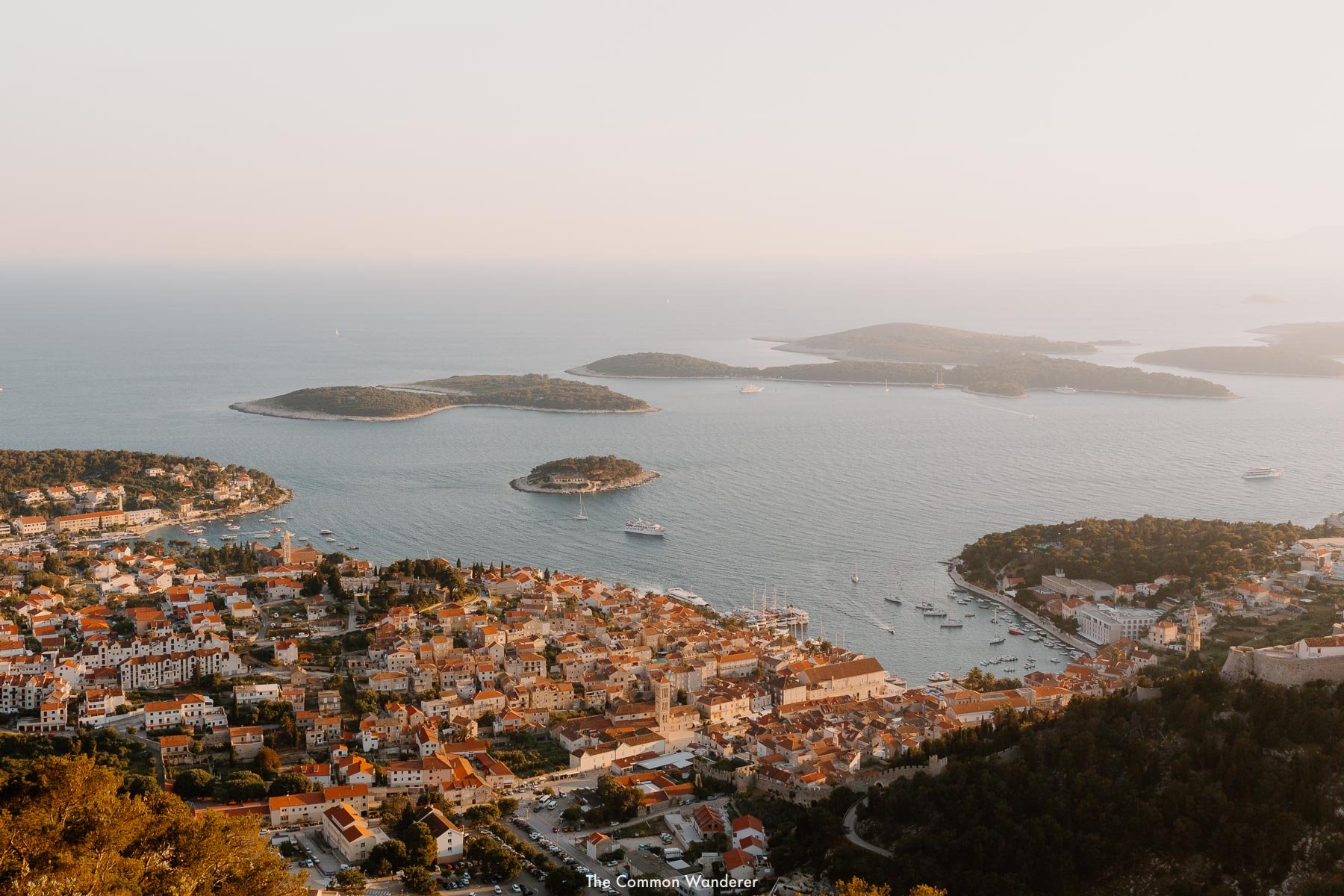
Keen on a summer vacation to Hvar Island? Our Hvar travel guide is filled with everything you need to know before you visit, including what to see and do, where to stay, and how to get there and get around + more.
UPDATED MAY 2026
After six weeks on Hvar, we can say with confidence that the island is not what most people expect, and that's almost entirely a compliment.
Yes, the party reputation is real. Yes, the superyachts are in the harbour and the beach clubs charge accordingly.
But Hvar is also a place where mountains are covered in lavender, where limestone lanes lead to konobas that have been feeding locals for generations, where the oldest continuously cultivated agricultural plain in the world sits quietly behind the most photographed harbour in the Adriatic, and where the sunniest island in Croatia somehow still manages to feel genuinely unhurried once you get beyond the main town.
It's an island that means different things to different travellers, and one that rewards those who take the time to understand it before they arrive.
This guide covers the things we wish we'd known before our first visit: from the practicalities of getting there and getting around, to when to visit, what to budget, where to base yourself and how to get the best out of the island regardless of your travel style. If you’re in the inspo phase, our Things to Do guide covers every specific experience worth having.
LOVE OUR PHOTOS? Edit like us with our European Summers Preset Packs, and mobile video filters, inspired by the warm hues and vibes of summers spent in Europe
HVAR ISLAND SNAPSHOT
WHEN TO VISIT | May - early July, mid-September - October
HOW TO GET THERE | Ferry from Split
WHERE TO STAY | Hvar Town for party, Stari Grad for chill
WHAT TO SEE | Hvar Town, Stari Grad, Pakleni Islands, Vrboska, Jelsa, endless beaches
BOOK YOUR HVAR TRIP
WHERE TO STAY |Palace Elisabeth Hvar Heritage Hotel (luxury) · Heritage Hotel Park Hvar (mid-range) · White Rabbit Hostel (budget)
See our full Where to Stay on Hvar guide, Hvar Airbnbs and Stari Grad hotels
TOURS & EXPERIENCES | Download the GetYourGuide app to book sailing trips, wine tours, Pakleni Islands excursions and walking tours — with 5% off your first app booking through our creator offer
FERRIES | Compare schedules and book ferries from Split to Hvar through FerryHopper
CAR HIRE | Explore quieter beaches, inland villages and the rest of the island - compare rentals with Discover Cars
GET CONNECTED | Set up an Airalo eSIM before you fly and have data ready when you arrive in Croatia
TRAVEL INSURANCE | Get a quote from World Nomads with cover available for 150+ activities
SPEND SMARTER IN CROATIA | Get a Wise card to pay in Euros and skip foreign transaction fees
WHAT KIND OF HVAR TRIP ARE YOU PLANNING?
Despite being a relatively small island, Hvar offers a surprisingly diverse range of travel experiences, and the version you're planning will shape every decision from where you stay to how long you spend there.
The person reading this on their lunch break, dreaming of a week away, might be planning something completely different to the person sitting next to them.
One wants long lunches at a konoba with a carafe of local wine and absolutely nowhere to be. The other wants to know which beach clubs are worth the entrance fee and whether Carpe Diem lives up to its reputation.
Both are valid. Both are Hvar.
THE PARTY | Hvar Town in July or August delivers exactly what it promises. The Riva at golden hour, cocktails at Falko Bar, late nights that drift into early mornings.
The prices are high, the crowds are real and none of that changes the fact that Hvar Town is one of the most beautiful places in the Adriatic to do any of it.
SLOW TRAVELLER| Base yourself in Stari Grad, rent a car, eat at konobas that have been feeding locals for decades, wander the UNESCO-listed plain on a bicycle and visit Vrboska on a weekday morning when the stone lanes are quiet.
This is the Hvar we fell for across six weeks on the island, and the one we'd recommend without hesitation.
IF YOU’RE FOOD & WINE LOVER | Hvar is one of the most underrated food destinations in the Mediterranean. Plavac Mali from the steep slopes of Sveta Nedilja. Fresh catch at a harbour konoba. Lavender honey from Brusje. Olive oil pressed from trees that have been growing on the Stari Grad plain since the ancient Greeks planted them.
A week built around eating and drinking well here is an exceptional week.
WATER BASED | The Pakleni Islands archipelago, the Blue Cave on Biševo, the Adriatic coastline stretch in both directions. Hvar is an exceptional base for anyone whose ideal day involves being on the water rather than beside it. Boat hire, guided sailing tours, windsurfing, kayaking, snorkelling — all available, all genuinely good.
HISTORY & CULTURE | Hvar Town's Venetian architecture, the 16th-century Franciscan Monastery, Stari Grad's 2,400-year history, the UNESCO-listed Greek agricultural plain, the fortress churches of Vrboska, are consistently underrated for historical depth and Hvar is among the richest of all of them.
FAMILY TRAVEL | Jelsa or a villa base away from Hvar Town, calm and shallow beaches, a pace of life that doesn't require earplugs. Hvar works beautifully for families willing to look slightly beyond the main town.
Which version are you? The rest of this guide, our Things to Do guide and Where to Stay guide will help you build whichever trip you're after.
WHEN TO VISIT HVAR | SEASON BY SEASON GUIDE
Hvar's season runs roughly from May through October, with the island largely shutting down over winter.
Here's an honest breakdown of each period:
MAY | Our top recommendation. The island is fully open, the sea is swimmable, the lavender is starting to bloom and the crowds are genuinely manageable.
Prices are noticeably lower than peak season and the pace of life is unhurried. Average temperatures 18-24°C. If you have flexibility, this is the month.
JUNE | Excellent in the first half, with longer days and warm water. By mid-to-late June the bura and maestral winds start building and the crowds begin to arrive in earnest.
Still a great time to visit but book accommodation early. Average temperatures 21-27°C.
JULY & AUGUST | peak season. The island is at its most beautiful and its most overwhelming simultaneously. Accommodation prices are at their highest, the popular beaches fill up by late morning, and Hvar Town in particular gets very busy.
That said, the sea is at its warmest, every restaurant and beach club is operating and the energy is genuinely fun if crowds don't bother you. Average temperatures 25-32°C. Book everything well in advance.
SEPTEMBER | The second sweet spot and arguably the best month on the island. Crowds drop noticeably after the first week, the sea is at its warmest temperature of the year, prices fall and the island settles into a more relaxed rhythm.
Restaurants and beach clubs are still open and operating fully. Average temperatures 21-27°C. Highly recommended.
OCTOBER | he island starts winding down from mid-October. Some businesses close, beach clubs pack up and transport connections reduce.
The weather is still pleasant in early October and the island is genuinely quiet, which for the right traveller is the whole appeal. Average temperatures 16-22°C. Worth considering for slow travellers and hikers.
THE SHORT OF IT | May and September are the sweet spots. July and August are busy and expensive but still worthwhile. Avoid October onwards unless you want the island largely to yourself.
HVAR IS ONE OF THE SUNNIEST PLACES IN EUROPE
Hvar averages 2,760 hours of sunshine per year, or around 7.7 hours of sun every single day. It consistently ranks among the sunniest destinations in all of Europe, which goes some way to explaining why the lavender fields thrive, the wine is exceptional and everyone seems to be outside at all times.
Peak season temperatures run 25-32°C on average, the sea is warm from June through October, and the island is notably less affected by the strong northerly winds that make life uncomfortable on other Mediterranean islands during peak summer.
A good day on Hvar is a brilliant day.
One practical note: that sun is relentless in July and August. Start early, find shade between noon and 3pm and wear sunscreen that you actually reapply.
The island will still be there when the heat eases.
HVAR HAS NO INTERNATIONAL AIRPORT…
There's no direct flight to Hvar, and honestly, we think that's one of the best things about it.
The island has no international airport, by both geographical necessity and what feels like genuine good fortune. The absence keeps a certain kind of mass tourism at bay and means every visitor arrives the same way: by ferry across the Adriatic, which immediately sets the right tone for the island.
In practice, you'll fly into Split, Croatia's second city and a worthy destination in its own right, and catch a ferry across to Hvar from there.
The crossing takes around an hour and the whole process is straightforward once you know what you're doing.
For everything you need to know about the journey, our Split to Hvar guide covers every option in detail.
BUT GETTING TO HVAR FROM SPLIT IS SUPER EASY
The most straightforward option is the bus from Split Airport to Split port, then one of the many daily ferries across to Hvar.
The crossing takes around an hour, tickets start from around €8 one way and should be booked in advance in summer as popular sailings sell out.
Book via FerryHopper or at the ticket booths on Split Riva opposite Diocletian's Palace.
One useful tip: if the direct Split to Hvar Town ferry is full, take the ferry to Stari Grad instead and catch a local bus or taxi to Hvar Town. Same island, different port, usually available.
For full route options, timings and everything else, our Split to Hvar guide covers every option in detail.
BOOK | Split to Hvar ferry tickets via FerryHopper
READ | Our Split to Hvar (and return) Guide

HVAR IS INSANELY BEAUTIFUL
We've travelled far and wide, and Hvar is without doubt one of the most beautiful places we've ever been.
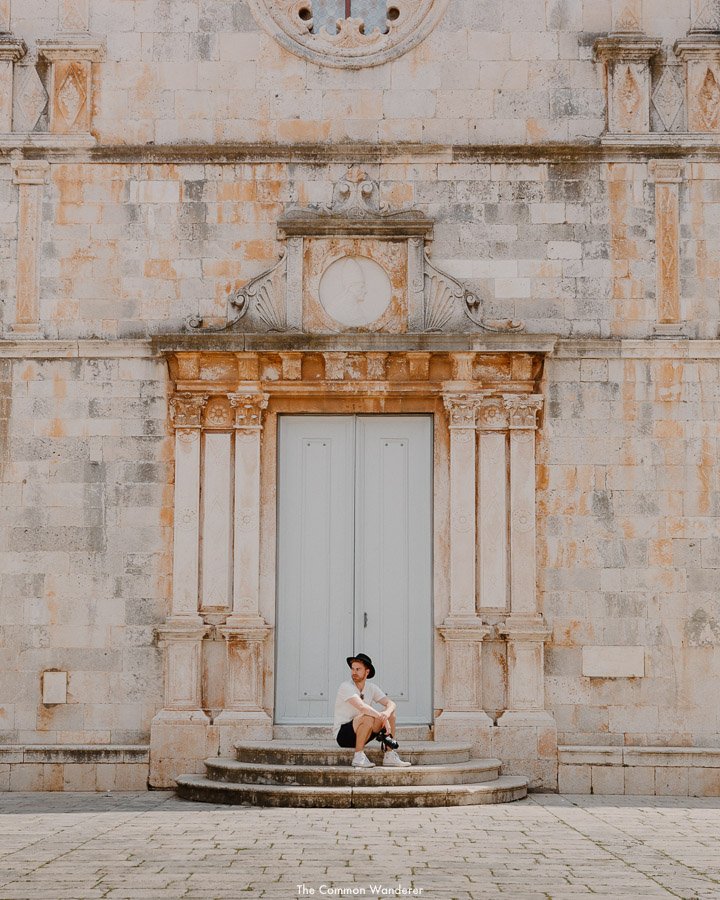
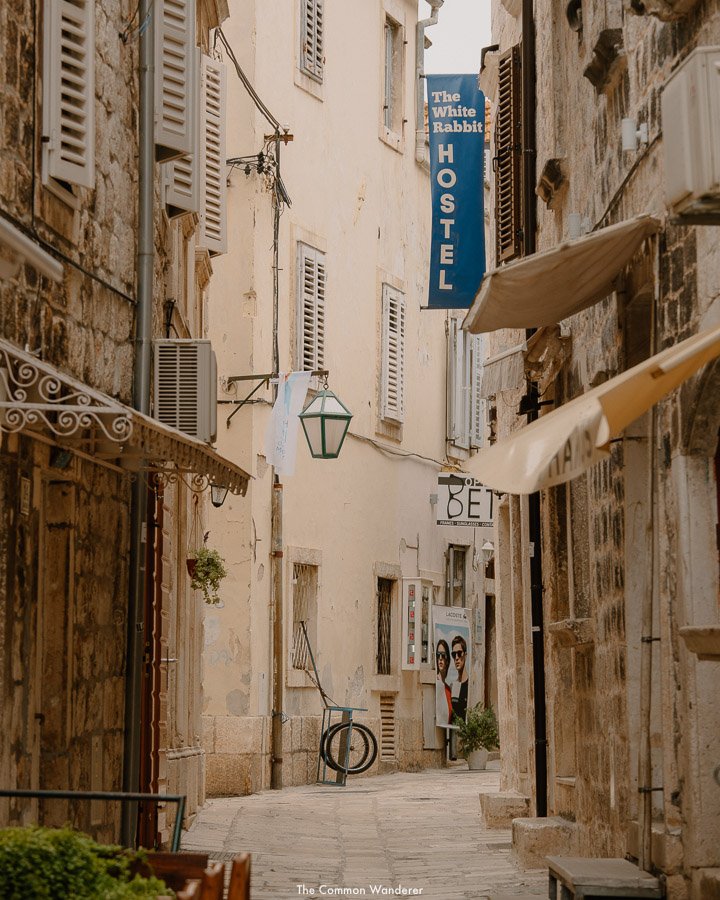
The obvious beauty is easy to describe: the ancient limestone lanes of Hvar Town, Stari Grad and Vrboska, the almost-empty beaches and coves of the south coast, the crystal-clear lagoons of the Pakleni Islands, the rolling hills of lavender and olive trees, the vineyards producing some of the finest red wine in the Adriatic. Photographs do most of the work.
But there's another kind of beauty that photographs don't capture. In the quieter limestone laneways, away from the Riva and the main square, there's the clatter of cutlery and the smell of something wonderful being cooked, no doubt from a recipe that's been in the family for generations.
Locals greet each other in doorways, pausing to chat before continuing on their way. Small boutiques peek out from almost-hidden alcoves. Birds skitter across the stone and in places it's so quiet you can hear the echo of your own footsteps.
That version of Hvar is always there, waiting. It just requires stepping away from the obvious for a moment to find it.

HVAR ISLAND IS MUCH MORE THAN JUST HVAR TOWN
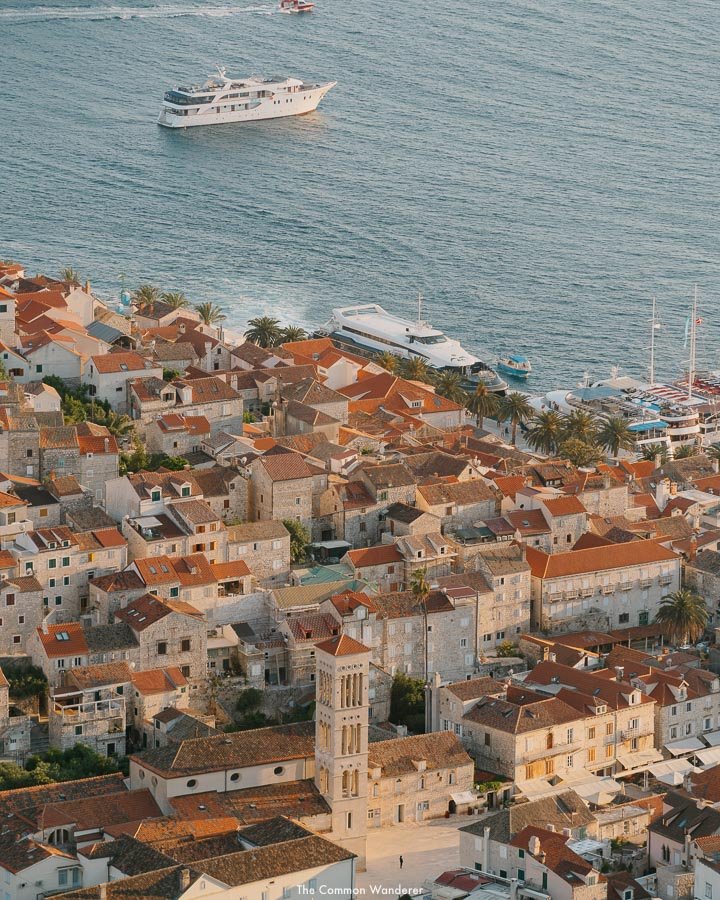
Hvar Town is the crowning glory of the island, the Venetian architecture, the fortress, the harbour at golden hour.
We'd never tell you to skip it. But a trip to Hvar that doesn't venture beyond the main town is a trip that misses most of what makes the island genuinely special.
No matter how long you're here, get in a car and explore.
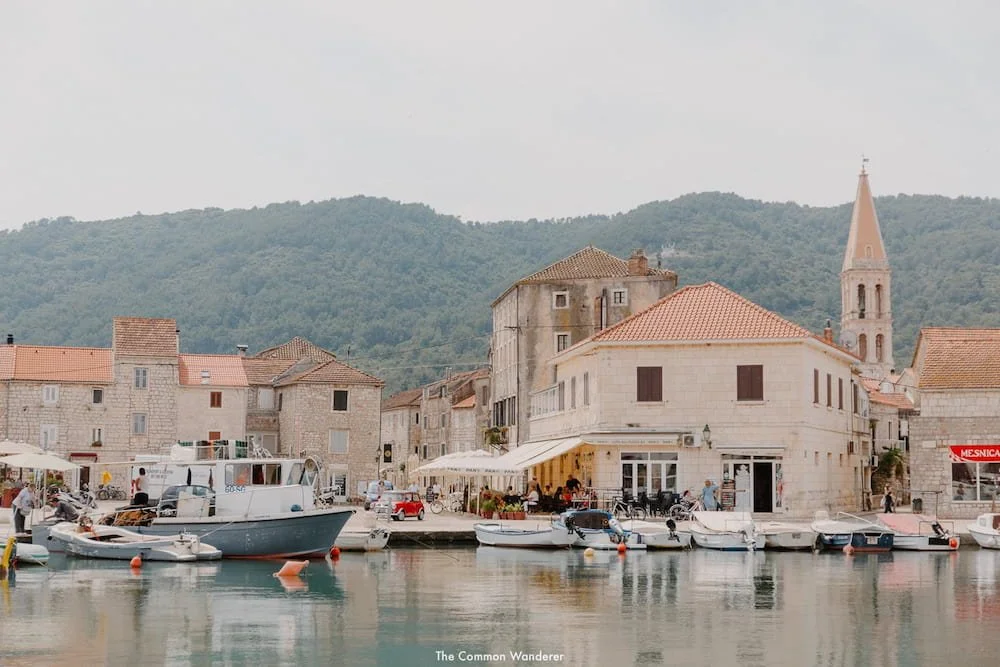
STARI GRAD | Our personal favourite town on the island, and the one we wish we'd based ourselves in from the start. Quieter, cheaper, more characterful and with a pace of life that feels genuinely Croatian rather than tourist-facing.
The ancient limestone lanes, the gourmet deli Za Pod Zub, the harbour at dusk, Stari Grad is made for slow mornings more than anywhere else on the island. Our Stari Grad guide covers everything worth doing.
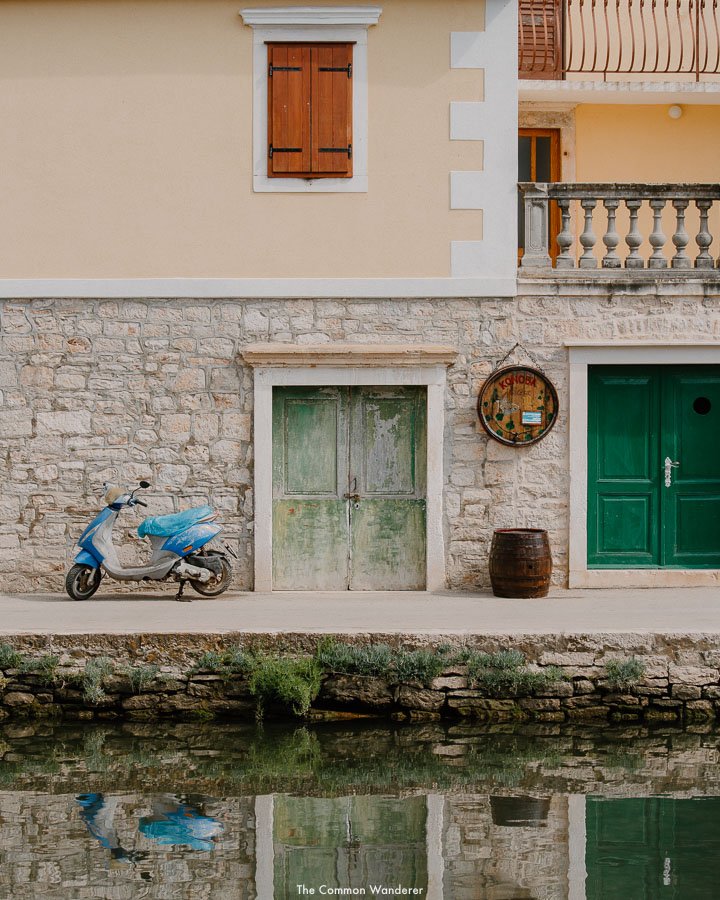
VRBOSKA | The quietest and most local town on the island. A single canal, stone arch bridges, a fortress church that doubled as a military refuge during times of war, and a konoba that served us one of the best lunches we had on Hvar.
Little Venice is a stretch, but Vrboska is worth every minute. Our Vrboska guide has the full detail.
JELSA | The most family-friendly town on the island, with a pretty Riva, calm shallow beaches at Mina Bay and a genuinely relaxed atmosphere.
Dating back to the 14th century, it has good seafood restaurants, nearby wineries and a pace of life considerably removed from the Hvar Town scene. Worth a half-day from anywhere on the island.
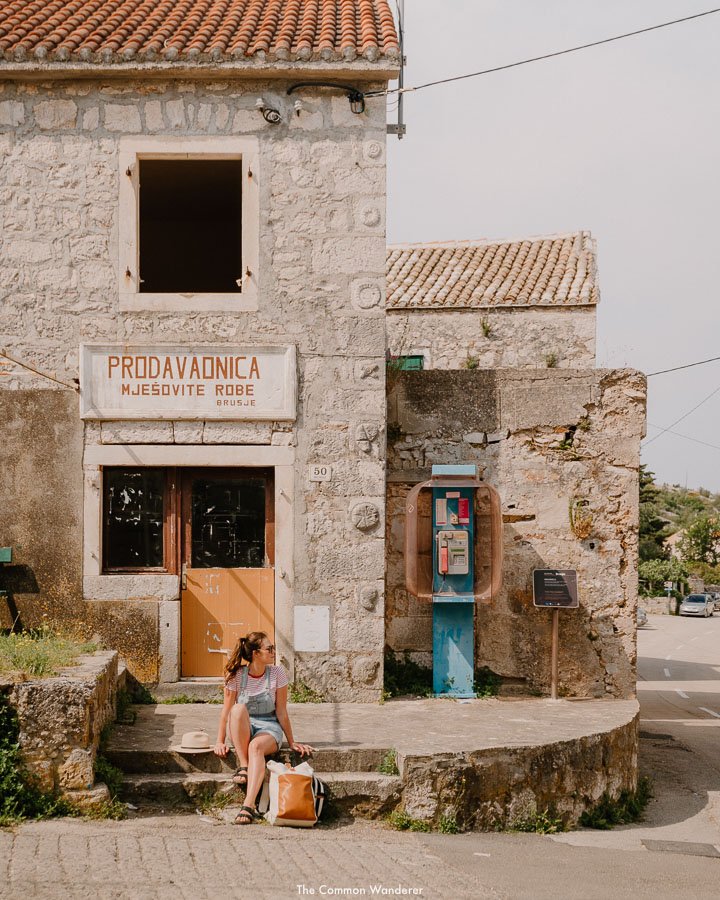
BRUSJE | A 16th-century shepherd settlement a short drive from Hvar Town and the heart of the island's lavender production. In late June the surrounding fields turn purple and the Lavender Festival takes place in neighbouring Velo Grablje.
The mandatory stop is Izletište Family Farm, traditional Dalmatian food, lavender honey and some of the best views on the island.
SPEND A DAY EXPLORING THE PAKLENI ISLANDS…
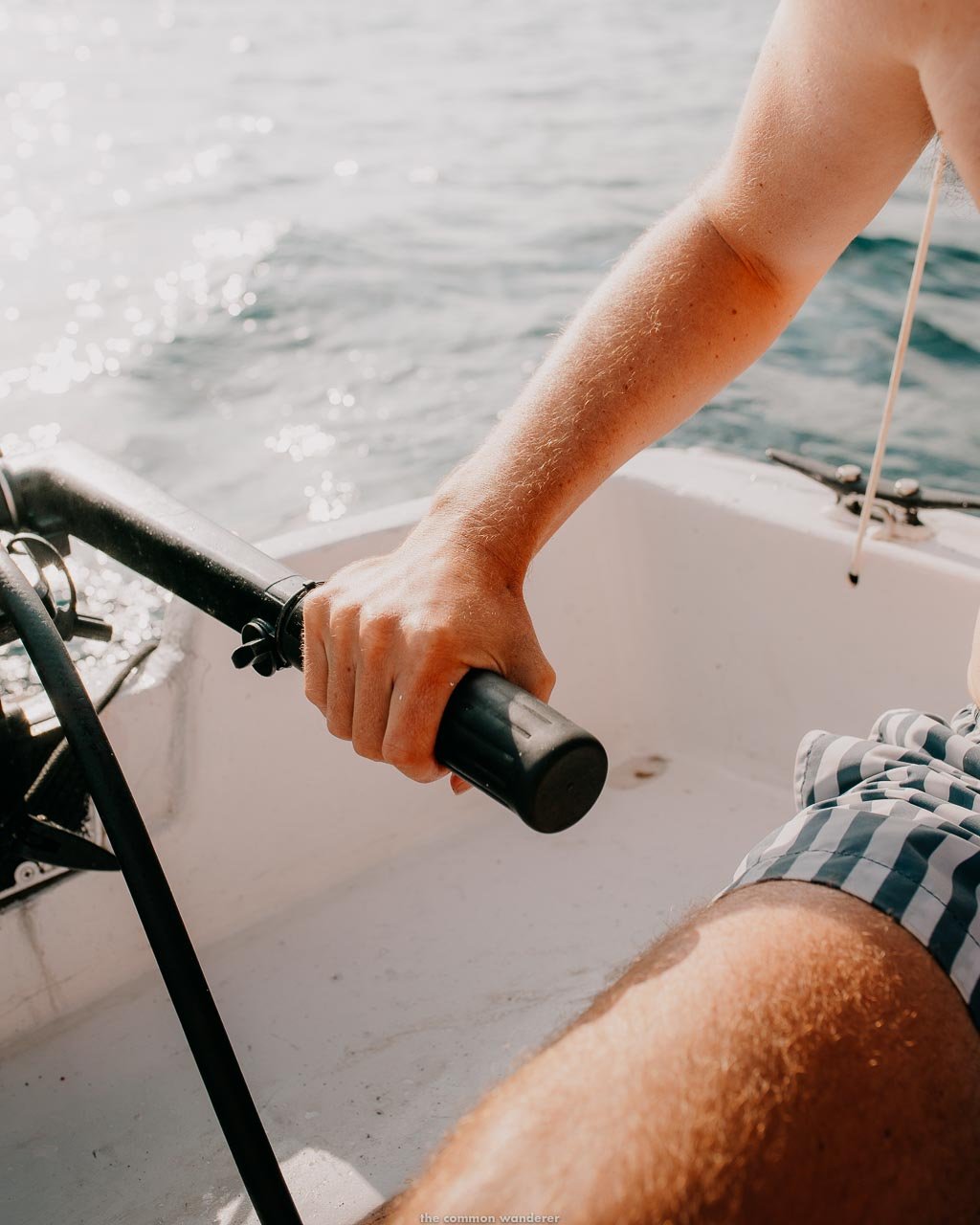
The best day we spent on Hvar, across six weeks on the island, was hiring a small pasara boat from Hvar Boats and spending the day exploring the Pakleni Islands archipelago.
No prior boating experience, somehow navigating the Hvar strait, dropping anchor in deserted turquoise bays and jumping off the bow all day. It was, simply, perfect.
The archipelago sits just off Hvar Town and is genuinely one of the most beautiful stretches of coastline in the Adriatic. Whether you hire a self-drive boat or join a guided sailing tour, a day here should be non-negotiable on any Hvar itinerary.
For everything you need to plan it, which bays to visit, how to hire a boat, what licence you need and all the practical tips we wish someone had told us first - our Pakleni Islands guide covers it all.

EXPLORE MORE OF THE ISLAND WITH THESE TOURS
Some of the best experiences on Hvar are better with a guide, and a handful of tours are genuinely worth booking in advance. Our picks:
BLUE AND GREEN CAVE DAY TOUR | the most popular day trip from the island, combining both caves with swimming stops and a beach bar lunch. Non-negotiable if you have a spare day.
SUNSET SAILING CRUISE | a 2-hour small-group sail through the Pakleni Islands as the light goes golden. Maximum 7 guests, wine included. One of the nicest ways to end a day on Hvar.
PAKLENI ISLANDS KAYAKING TOUR | 4 hours paddling through hidden coves with a beach bar lunch stop. Also available as a sunset kayaking tour for something more atmospheric.
HVAR TOWN GUIDED WALKING TOUR | 2 hours with a local guide covering the town's Venetian history, medieval architecture and the stories the guidebooks leave out.
For our full list of recommended tours, day trips and sailing adventures, our Hvar tours guide covers everything.
HVAR IS SO MUCH MORE THAN JUST A PARTY ISLAND
The party reputation is real, and in peak season Hvar Town delivers on it.
But after six weeks on the island, talking to locals who've watched their home change year by year, we'd say this plainly: come for whatever version of Hvar you want, but bring some basic respect for the community that lives here year-round.
The good news is that the island's depth goes well beyond the Riva. Hvar produces some of the finest red wine in the Adriatic, built on a winemaking tradition dating back to the ancient Greeks.
The star variety is Plavac Mali, grown on the steep slopes around Sveta Nedilja, bold and distinctive and unlike almost anything you'll find outside Dalmatia.
Our recommended wineries: Zlatan Otok in Sveta Nedilja for the setting and the Plavac Mali, Duboković in Jelsa for a more intimate experience, and Vino Tomić for a family-run cellar door that takes the whole thing seriously without being precious about it.
A terrace overlooking the vines, a board of local cheese, cicadas losing their minds in the afternoon heat, there are worse ways to spend a Hvar afternoon than a wine tasting.

IS HVAR EXPENSIVE?
We’ll be honest here - yep, it is, and more than it used to be. But the good news is, it’s less than you might fear, and there are ways around the Hvar Town tax.
Hvar has a reputation as one of the pricier Croatian islands, and in peak season that reputation is earned. Hvar Town in July and August, with its superyacht harbour, celebrity sightings and beach clubs charging €50 for a sunbed, can feel genuinely expensive.
But the island is larger and more nuanced than its main town, and once you venture beyond the Riva, the picture changes considerably.
Here's a rough sense of what to expect:
ACCOMMODATION | Where the biggest variation sits. A dorm bed in a Hvar Town hostel starts from around €25–35 per night in shoulder season. A mid-range hotel or apartment runs €80–150. Luxury properties like Palace Elisabeth start from €300+ in peak season and climb from there.
Stari Grad and Jelsa are noticeably cheaper across every category, often 30–40% less than equivalent Hvar Town options.
FOOD | This is where Hvar still delivers genuine value, if you eat in the right places. A full meal at a local konoba with wine will run €25–40 per person.
The restaurants on St Stephen's Square and the Riva charge location premiums that aren't always justified — walk two streets into the old town and you'll eat considerably better for considerably less. In Stari Grad, Vrboska and Jelsa, prices drop further still.
DRINKS | Hvar Town's bars run €10–15 for a cocktail. Beer at a local café is considerably cheaper. Falko Bar and the bars away from the main strip are noticeably more affordable than anything on the Riva.
BEACH CLUBS | These vary wildly, from €20–30 per person at smaller local clubs to €50+ at the more popular spots near Hvar Town. Most beaches have free public sections if you're willing to arrive early or bring your own umbrella.
OUR HONEST SUMMARY
A couple travelling in shoulder season, based in Stari Grad, eating at konobas and renting a car for a few days should budget around €150–200 per day all-in.
Peak season in Hvar Town, add 40–60%. Either way, you're getting considerably more for your money than Dubrovnik, and the experience, we'd argue, is better.
HOW TO KEEP COSTS DOWN ON HVAR
Hvar's reputation for being expensive is earned in parts, but it's also more manageable than most people expect if you make a few smart decisions before you arrive.
TRAVEL IN SHOULDER SEASON | May, early June and September are when the biggest savings are made. Accommodation drops significantly, restaurants aren't running peak season pricing and the island is genuinely more enjoyable for it.
If your dates are flexible, this is the single biggest lever you can pull.
BASE YOURSELF OUTSIDE OF HVAR TOWN | Stari Grad, Jelsa and Vrboska are all noticeably cheaper across accommodation, food and drinks. A well-located apartment in Stari Grad might cost half what an equivalent room in Hvar Town charges in peak season, and you're a 20-minute bus ride from everything you need.
Our Stari Grad hotels guide and Hvar Airbnbs guide cover the best options.
COOK SOME MEALS AT HOME | If you're renting an apartment, use the kitchen. The market in Hvar Town sells excellent local produce at genuinely affordable prices, vegetables, meat, cheese, fresh bread.
Between self-catering breakfasts and lunches, we saved at least €50 a day on food without feeling like we were missing out.
EAT AWAY FROM THE RIVA & MAIN SQUARE | The restaurants on St Stephen's Square and the Hvar waterfront charge location premiums that the food rarely justifies.
Walk two streets into the old town and the quality goes up while the prices come down. In Stari Grad and Vrboska, this is less of an issue, konobas there tend to be genuinely priced.

TAKE A ROAD TRIP AROUND THE ISLAND
Hvar has a mountain range running down its spine, which means most of the island's south coast is completely inaccessible without your own wheels. It's also where some of the best beaches and views on the island are hiding.
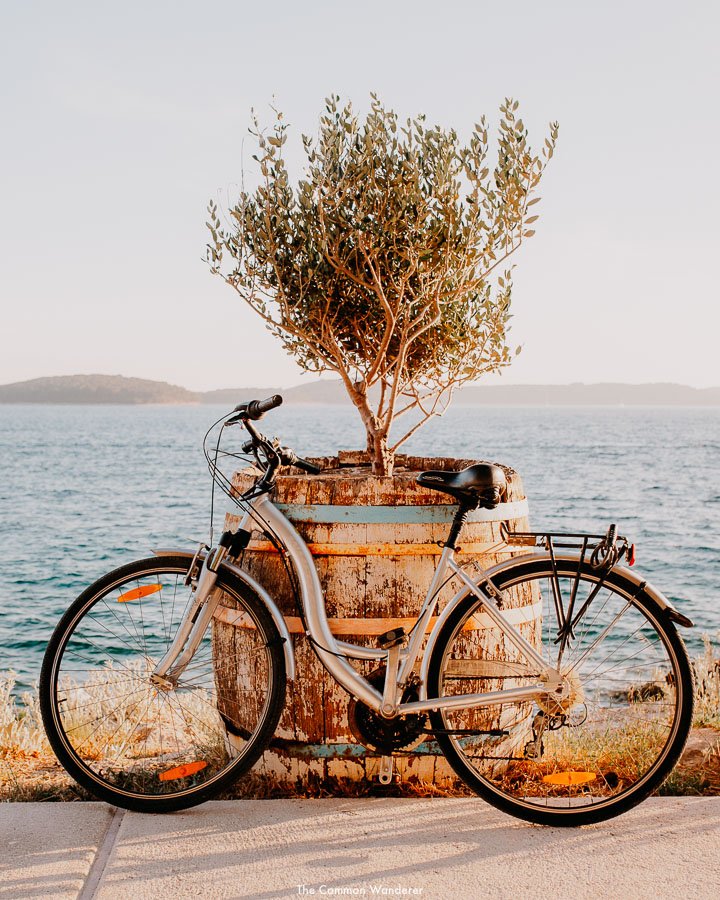
We did this multiple times during our six weeks, but the highlight was hiring a classic VW Beetle from Rapidus and spending a day making our way around the island at 60km/h with the windows down and very few plans.
Through lavender fields to Brusje, into the Venetian lanes of Stari Grad, gelato in Jelsa, slowly through the Pitve tunnel, a swim at Ivan Dolac and Jagodna on the south coast (two of Hvar's best beaches, trust us), and a finale watching the sunset from Napoleon Fortress overlooking the Pakleni Islands. Bloody magic.
Fair warning on the Beetle: no power steering, fully manual, a top speed that makes the mountain tunnels feel like an adventure. If you'd rather something more straightforward, a small rental car from an agency is the sensible move and opens up the same roads.
Either way, get a car for at least one day. This island needs to be properly explored.
THE DETAILS
THE ISLAND IS HISTORICALLY SIGNIFICANT, AND HOME TO A UNESCO WORLD HERITAGE SITE
Hvar may feel like a modern-day hotspot but its history is long, layered and genuinely fascinating.
The island has been inhabited since prehistoric times, when Neolithic settlers arrived and found fresh water and fertile plains.
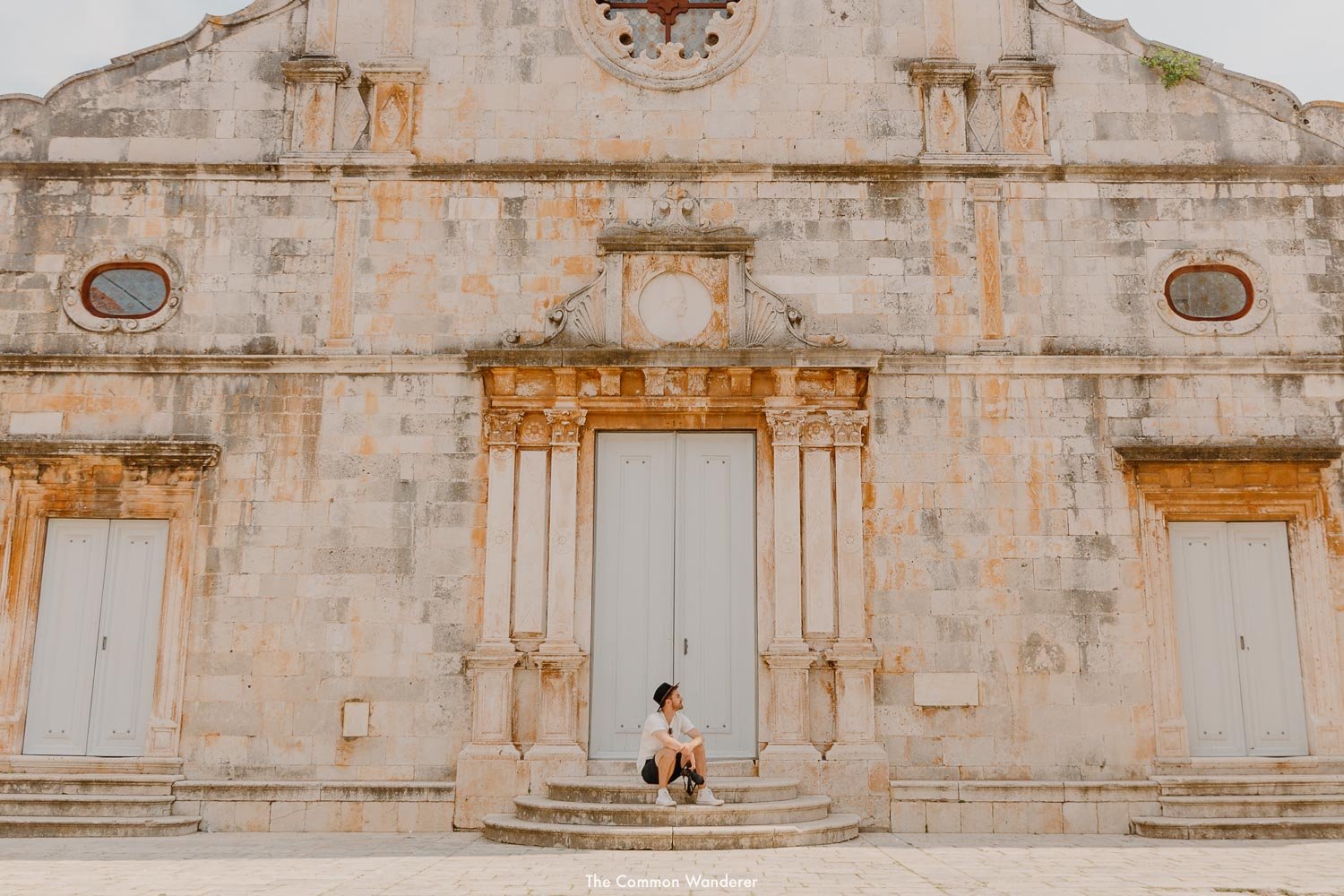
The ancient Greeks followed in the 4th century BC, establishing a colony and laying out the agricultural plots on the Stari Grad plain that are still being cultivated today, the same boundaries, the same parcels of land, essentially unchanged for 2,400 years.
UNESCO recognised this in 2008, listing the Stari Grad plain as a World Heritage Site and one of the best preserved examples of ancient Greek land organisation in the world. Those same Greeks planted the island's first vines in 384 BC. The wine never really stopped.
Hvar's strategic position in the centre of the Adriatic made it a prize worth fighting over for centuries. The Venetians established a major naval base here, bringing prosperity and the fine public buildings that still define Hvar Town and Stari Grad today.
Ottoman raids, Napoleonic occupation and Austrian rule followed in turn, each leaving their mark on the island's architecture, culture and character.
The Croatian War of Independence in the early 1990s interrupted the island's modern growth. It wasn't until the mid-2000s that Hvar reclaimed its position as one of the most visited destinations in the Mediterranean, a status it has held, and occasionally struggled with, ever since.
Walking through the limestone lanes of Stari Grad or standing on the Stari Grad plain, knowing that Greek farmers worked this exact land over two millennia ago, gives the island a depth that the party reputation tends to obscure.
It's worth knowing about before you arrive.
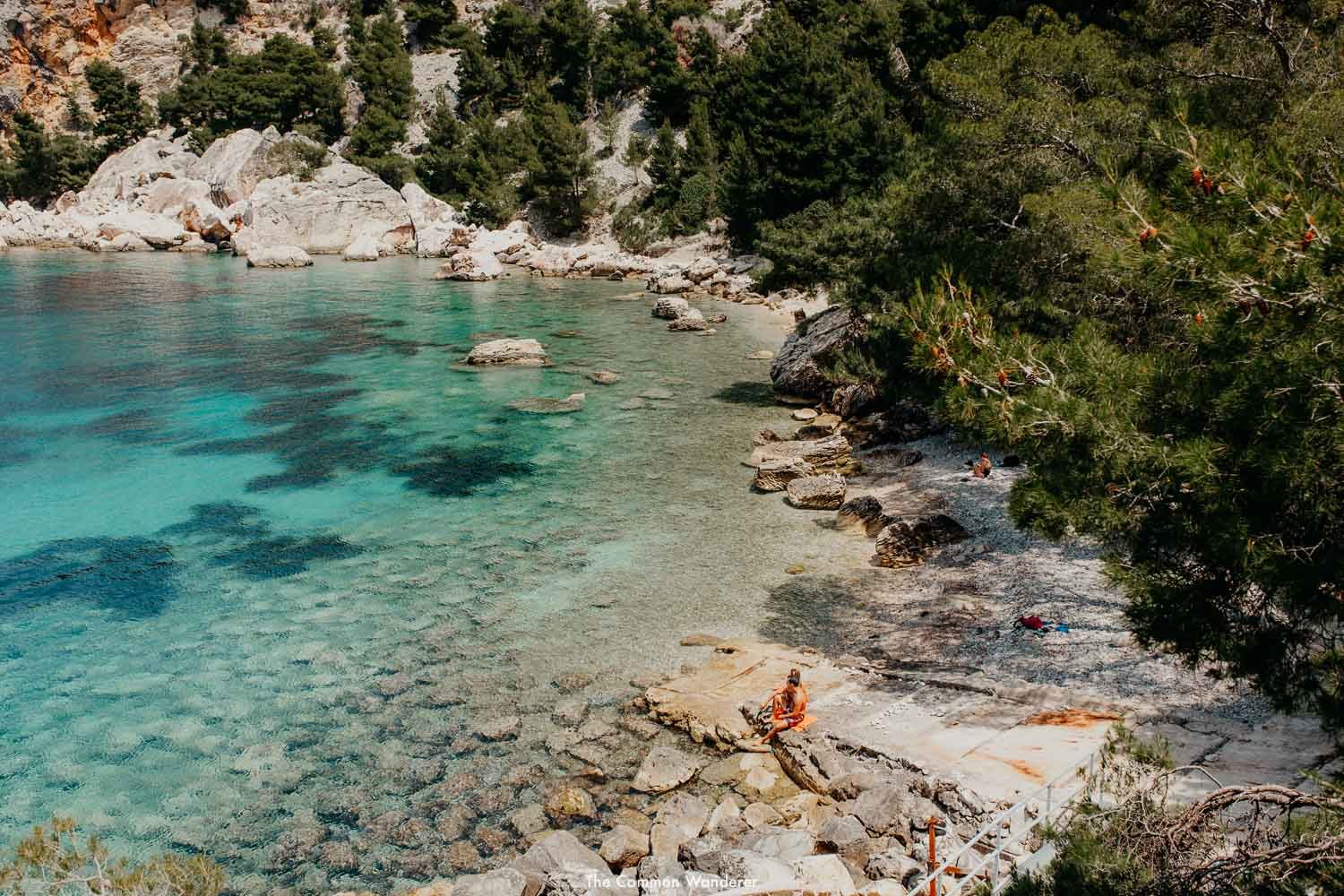
HVAR’S BEST BEACHES ARE JAW-DROPPING, BUT ROCKY
If you're arriving from Menorca or Sardinia expecting long stretches of white sand, manage your expectations now. Most of Hvar's beaches, like the majority of Croatia, are pebble, rock or natural stone slabs. There is very little sand to speak of.
Coming from Australia, where every beach is essentially a sandpit, we should probably be devastated by this. We're not.
There's something preferable about diving straight into crystal-clear Adriatic water from your own secluded limestone cove, without sand in your food, your bag and every crevice of your body for the rest of the day.
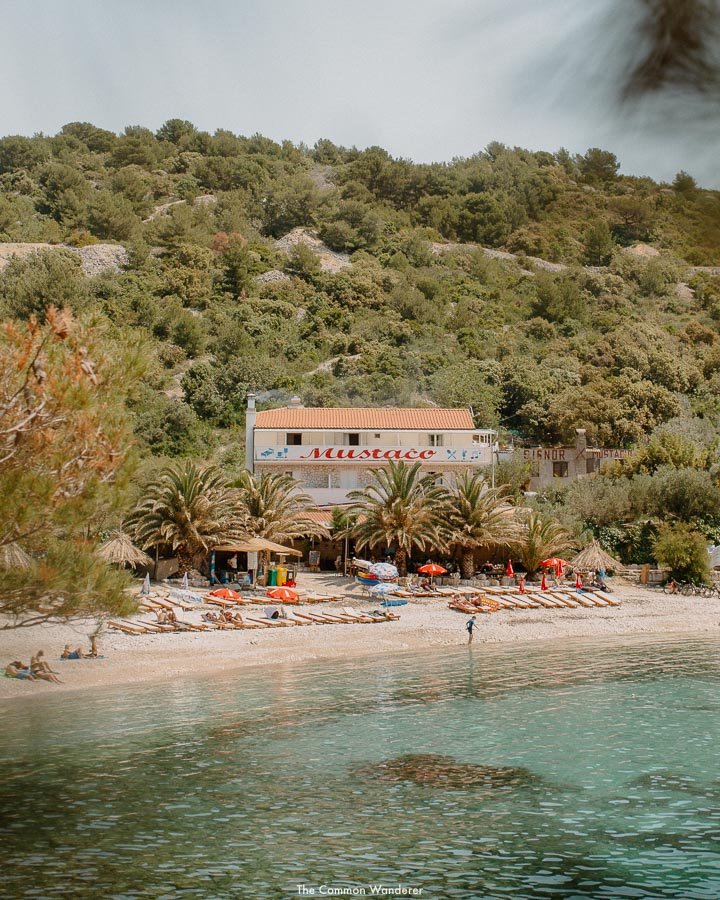
What Hvar's beaches lack in sand they more than compensate for in clarity, colour and sheer variety. Rocky coves near Hvar Town for easy access. Quiet family-friendly bays in the north beyond Stari Grad and Jelsa, overlooking the mountains of Brač. Remote, sunset-facing beaches along the south coast that require a car and reward the effort.
And the Pakleni Islands just offshore, where you drop anchor in a deserted bay and the water is so clear you can see the bottom from ten metres up.
Any beach you find on Hvar will be worth the towel. Some will genuinely stop you in your tracks.
For our full guide to every beach worth visiting, how to get there and what to expect, our Hvar beaches guide has it all covered.
READ | The best 15+ beaches on Hvar Island
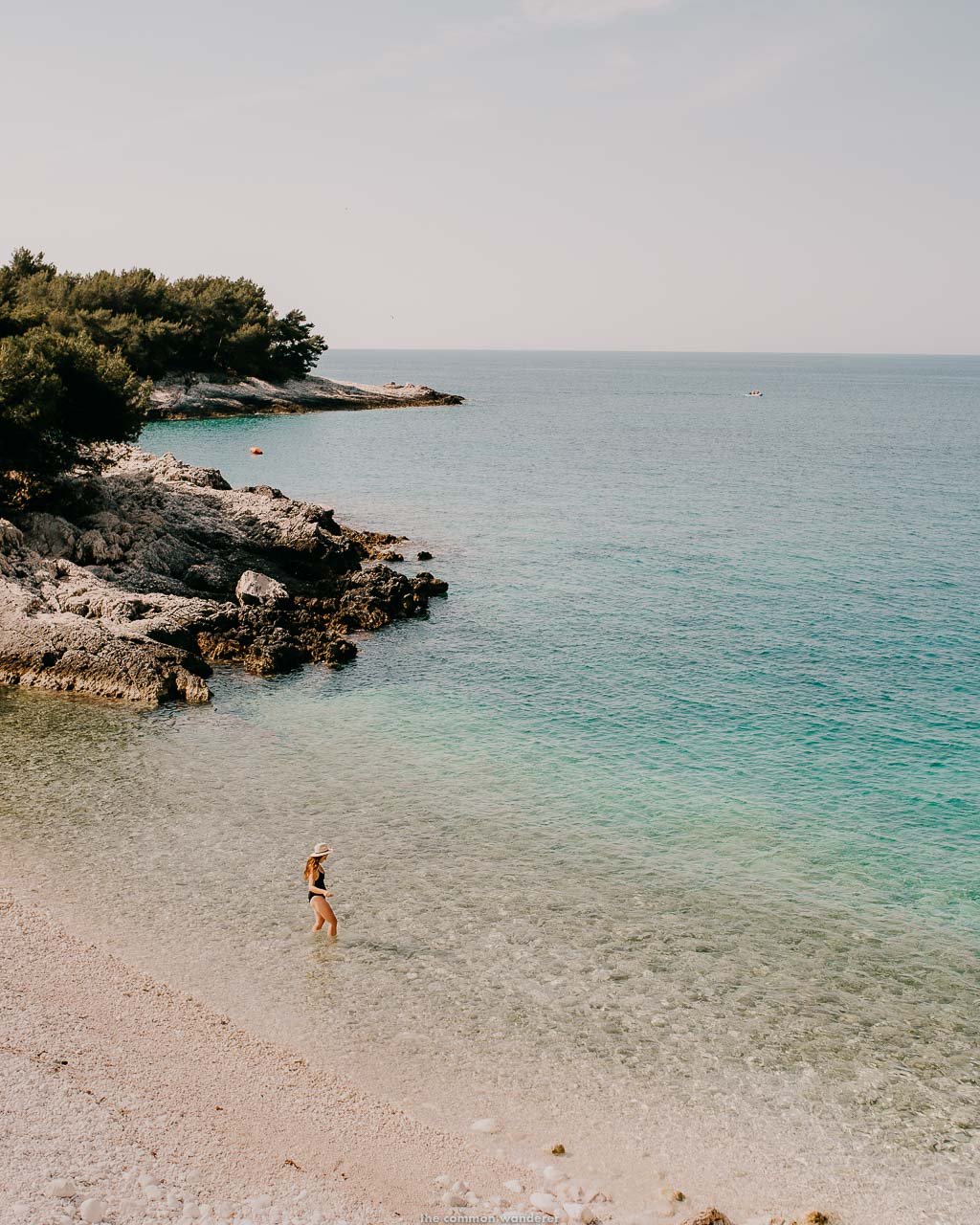
AND NUDIST BEACHES ARE VERY COMMON
Unbeknown to us, Hvar is an extremely popular destination for nudists, with a vast array of beaches on both the Island and Pakleni archipelago assigned FKK - free body culture - basically, nudist beaches.
As two Aussies who, while not prudish in any sense, are not used to nudity at our beaches (Australians are very conservative in that regard), the site of many a penis was rather eye-opening (pun not intended).
FKK beaches are generally signposted as such, however, we often found them labelled on Google Maps. FKK beaches aren’t legally defined as nudist beaches, and you can still visit FKK beaches even if you wish to stay clothed. And while you may get some weird looks, it’s not something you need to be concerned about.
That being said, if you wish to partake, go right ahead - there’s something truly liberating about immersing yourself in nature in your birthday suit. Just remember to apply sunscreen to your johnson and hoochie…
Also, it goes without saying - don’t be a perve - no one likes one of them.
WATCH OUT FOR SEA URCHINS
One of the best things about Hvar is the gloriously clear water, which makes swimming for hours an absolute pleasure. However, with such clarity comes a downside - sea urchins.
Yep, sea urchins are prevalent throughout the rocky waters of Hvar and make for a literal pain in the ass if you’re not careful.
If they get stuck in your skin (Mark stepped on one in Zanzibar just before Kilimanjaro annnnd that wasn’t fun), they can cause infection, so you really don’t want to go anywhere near them.
So, wear water shoes, keep your eyes peeled for very spiky black creatures attached to rocks, and if you do step on one, try to get it out with tweezers, or visit the local hospital (which is a great segway to travel insurance… you need it!).
HOW LONG SHOULD YOU SPEND ON HVAR?
Forever, ideally. We spent six weeks and left wanting more.
But here's a realistic breakdown based on what you can actually see and do:
3 DAYS | the absolute minimum, and only viable if you're island-hopping and genuinely can't stretch further. You'll get Hvar Town, one day on the Pakleni Islands and a glimpse of Stari Grad.
You won't scratch the surface, but you'll understand why people come back.
5 DAYS | the sweet spot for most first-time visitors. Enough time to explore Hvar Town properly, spend a full day on the Pakleni Islands, get to Stari Grad and Vrboska, fit in a beach day on the south coast and still have an evening or two to just sit somewhere and do nothing.
This is the visit that turns people into return visitors.
7 DAYS | where Hvar really opens up. A full week lets you slow down, hire a car for a few days and see the parts of the island most visitors never reach: the lavender fields at Brusje, the wineries along the Sveta Nedilja slopes, Napoleon Fortress at sunset, the quiet coves of the south coast.
Our 7-day Hvar itinerary in the Things to Do guide covers exactly how we'd structure it.
TWO WEEKS + | if someone offers you this much time on Hvar, take it without a second thought. Six weeks wasn't enough. It won't be for you either.
Our honest view is that three nights is the minimum, five is the sweet spot, seven is where it gets genuinely special. And whatever you have, spend at least one night somewhere other than Hvar Town.

CHOOSE YOUR HVAR ISLAND BASE CAREFULLY
Where you base yourself on Hvar shapes everything from your daily budget to how much time you spend in a car.
HVAR TOWN | for atmosphere, nightlife and Pakleni Islands access. Expensive in peak season, noisy at night, worth it for the right traveller.
STARI GRAD | for culture, authenticity and better value. Our personal pick and the town we'd choose without hesitation on a return visit.
VRBOSKA | for genuine seclusion and local Dalmatian life. Best with a car.
JELSA | for families, nature lovers and those on a tighter budget.
For the full breakdown of every accommodation option across every budget and neighbourhood, our Where to Stay on Hvar guide covers everything in detail, including our top hotel, Airbnb and hostel picks across the island.
AND THESE ARE THE BEST PLACES TO STAY
Hvar has accommodation options across every budget and travel style.
A few of our personal picks: Palace Elisabeth for a genuine luxury splurge with 13th-century heritage and a Michelin-recognised restaurant, Hotel Antica Stari Grad for the best mid-range option with harbour views in our favourite town, and White Rabbit Hostel for the most sociable budget stay in Hvar Town, set in a renovated 15th-century palace.
For the full breakdown across every budget, town and property type:
Where to Stay on Hvar Island: hotels, guesthouses and hostels
Best Hvar Airbnbs and Apartments: 15+ picks across every budget

PUBLIC TRANSPORT IS PRETTY GOOD
The bus network on Hvar is more reliable than most visitors expect. Services connect Hvar Town with Stari Grad, Jelsa, Vrboska and Sućuraj, and the most popular route between Hvar Town and Stari Grad runs up to five times daily in summer, which is enough to make a day trip without a car perfectly manageable.
Buses are small, air-conditioned and comfortable. Tickets cost around €3-5 per trip depending on the route.
Check the current Cazma Trans timetable before you travel as schedules change seasonally.
One honest caveat: the timetable can be limiting if you want to cover a lot of ground in a single day. For anything beyond the main Hvar Town to Stari Grad corridor, a rental car gives you considerably more flexibility.
READ MORE | Our Hvar Town to Stari Grad transport guide covers the most popular route in full detail.
DALMATIAN CUISINE IS DELICIOUS, BUT NOT GREAT FOR VEGETARIANS
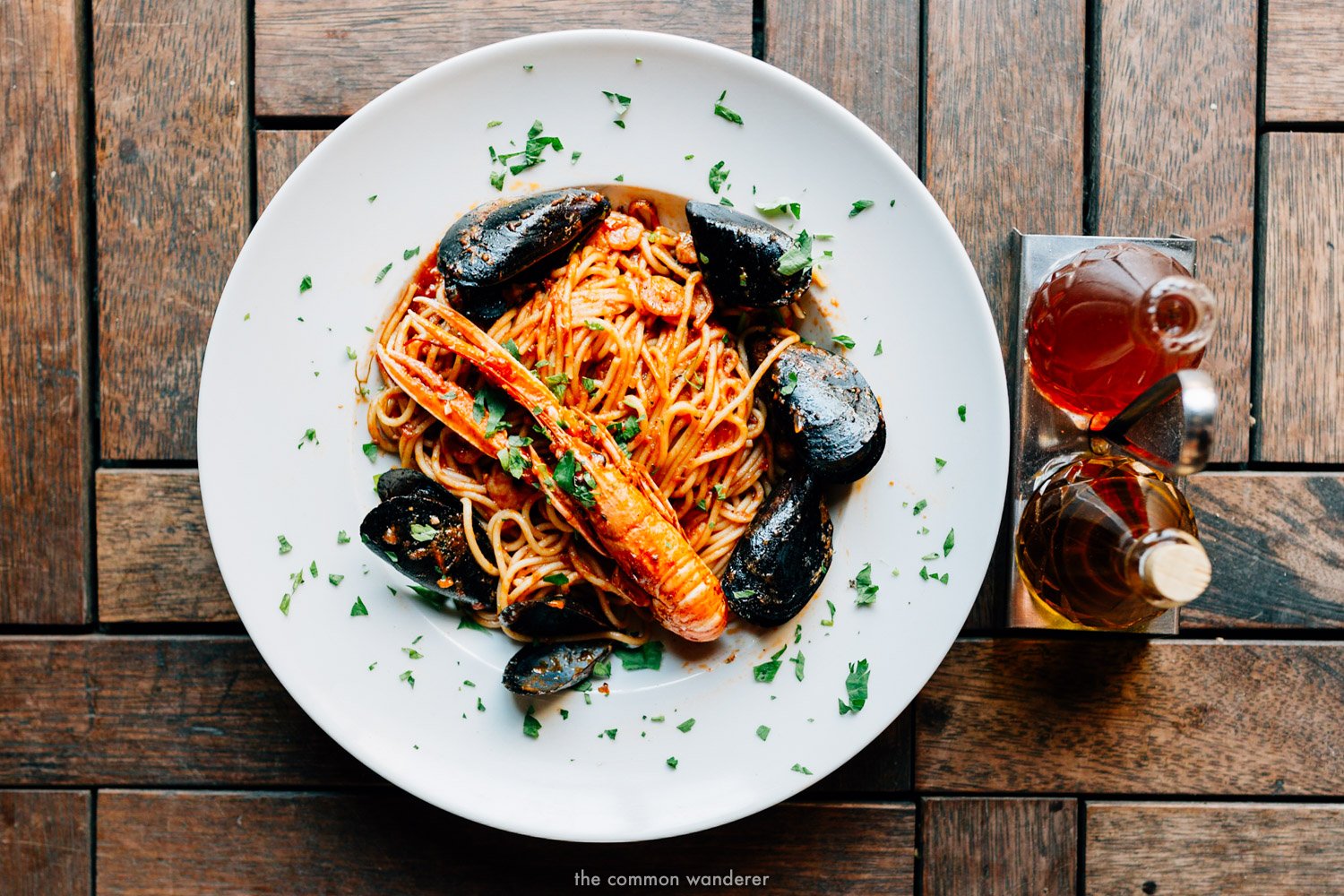
There's a saying on Hvar that fish need to swim three times: first in the ocean, then in oil, and finally in wine in the stomach. It tells you most of what you need to know about the local food culture.
Dalmatian cuisine is built around seafood and meat. Fresh catch grilled over coals, slow-cooked lamb, octopus salad, black risotto, peka-cooked veal, which are all wonderful, all very much animal-based.
Vegetable sides, fresh olives, local cheese and grilled vegetables drizzled in olive oil are everywhere, but as supporting acts rather than main events.
For vegetarians and vegans, Hvar requires a little more navigation than most Mediterranean destinations. Starters will often carry you further than mains, and the growing number of restaurants catering to plant-based diets in Hvar Town, including Fig in the heart of town, means it's no longer as limited as it once was.
We shifted to pescetarianism during our time on the island, largely out of necessity and partly because the seafood is genuinely exceptional and fished through traditional local means.
Others may feel differently and that's entirely valid. Worth knowing before you arrive rather than discovering it hungry at a konoba at 8pm.
NEVER MISS A HVAR SUNSET
In Dalmatia, there's a cultural concept called fjaka — a deliberate quieting of everything, a mindful presence that tends to happen in the afternoon heat when doing anything purposeful feels faintly absurd.
Everyone finds their own version. A slow coffee on a balcony. An afternoon swim. Sitting somewhere beautiful and watching the light change.
On Hvar, the sunsets make fjaka almost involuntary.
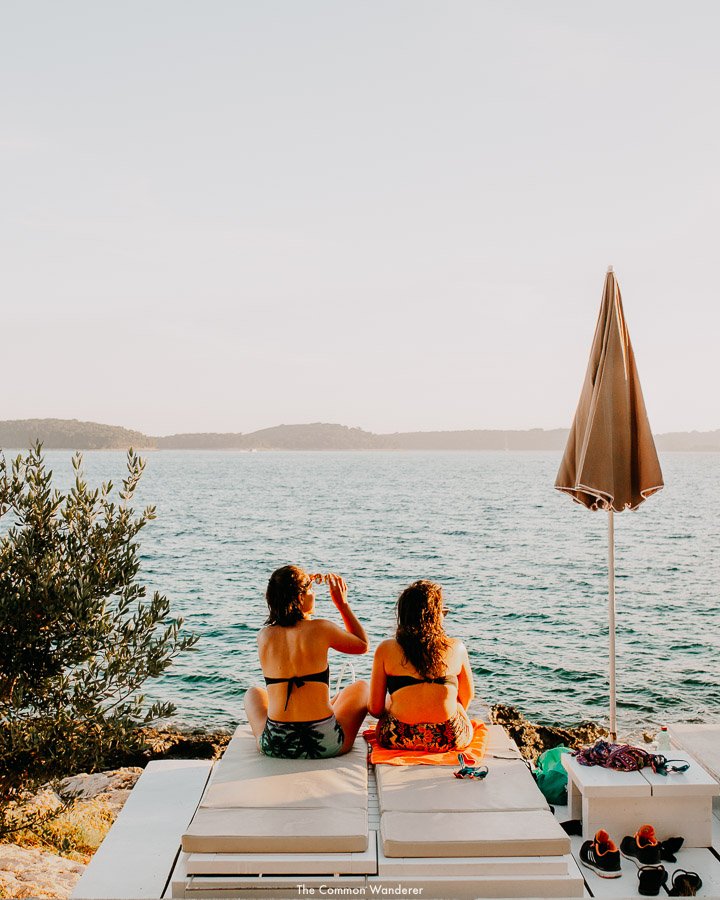
During our six weeks on the island, our own version happened at the end of each day, floating on our backs in the glassy Adriatic as the sky turned gold, sitting on warm limestone rocks watching the sun drop over the horizon, hiking to Napoleon Fortress with a picnic and nowhere to be.
These were, without exaggeration, some of the most beautiful sunsets we've seen anywhere in the world.
Find your own version. The limestone turning orange in the old town laneways. The harbour from Španjola Fortress as Hvar Town goes golden below. A swim in the late afternoon sea. An ice cream on the Riva with absolutely no plans.
There's no wrong answer. Just don't miss it.

HOW TO BE A RESPONSIBLE TOURIST ON HVAR
Hvar is a genuinely special place feeling real pressure from overtourism and plastic pollution, both of which we witnessed firsthand during our time on the island.
Travel in shoulder season, spend money at locally owned konobas, bring a reusable water bottle (single-use plastic is a serious problem on Croatian beaches) and leave every beach, cove and limestone lane exactly as you found it.
READ MORE | Our complete guide to responsible travel

TRAVEL INSURANCE | STAY SAFE IN CROATIA
If you can't afford travel insurance, you really can't afford to travel. As COVID-19 taught many people, things can go wrong anywhere in the world - and insurance is often the only way of mitigating any issues with minimal expense or stress for you.
Here are our recommendations, based on 8+ years of full-time travel:
FOR TRAVELLERS | HeyMondo - Comprehensive travel + medical insurance, an app with 24-hour medical support, and no out-of-pocket fees. *Get 5% off your policy by booking through our link here.
FOR DIGITAL NOMADS | SafetyWing - Comprehensive travel & medical and policies can be purchased while already abroad.
CAR INSURANCE | Insurance4CarHire - a great annual car insurance policy
PLANNING TO VISIT HVAR SOON?
Make the most of your time on Hvar with our essential Croatia travel guides.
EXPLORE HVAR
Start with these guides to help plan your time on the island:
Hvar Island Guide — 21 things to know before you visit
WHERE TO STAY ON HVAR
Where to Stay on Hvar Island — hotels, guesthouses and hostels
MORE CROATIA
DUBROVNIK | 10 Things to Do in Dubrovnik
HEADING TO CROATIA? YOU’LL LOVE THESE GUIDES




Some of the links on this Hvar Island guide are affiliate links.
If you choose to purchase using these links, we receive a small commission at no extra cost to you. Please know that by using these affiliate links, you're directly supporting The Common Wanderer to stay wandering, the running costs of the site, and our ability to provide you with free content to help you on your travels.
That, and you're officially a legend.

From a restored 18th-century windmill to sea-view villas, these are the best Airbnbs on Hvar, handpicked for every budget, plus where to base yourself.