
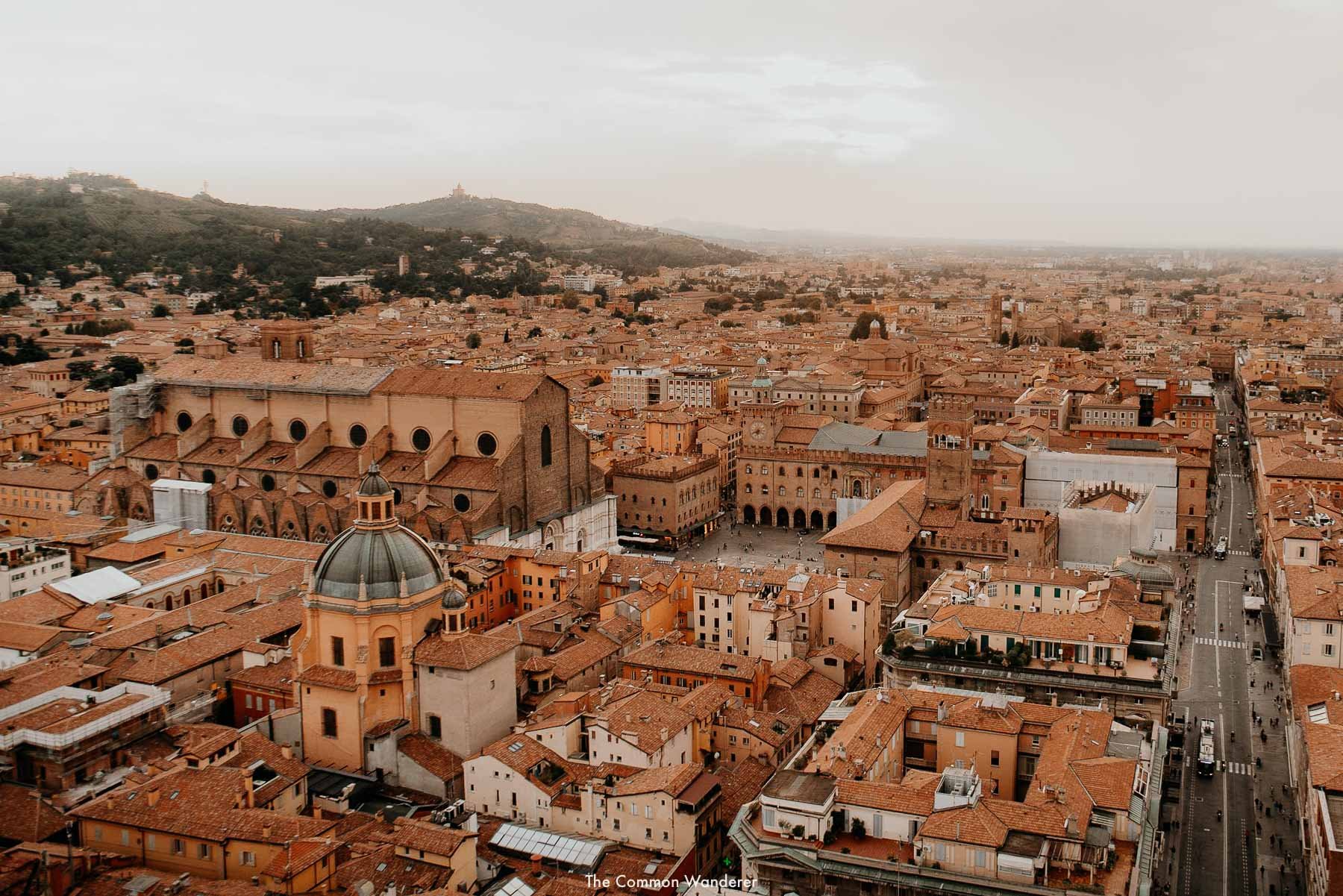
The most underrated city in Italy? Probably! This is our guide to all the best things to do in hipster Bologna, including what to see, where to eat, and how to get around in 2026.
UPDATED - JUNE 2026
“Bologna is a city where you come to be a local, not a tourist. “
This was the advice given to us - by a Bologna local, no less - before our trip to Italy’s famed red city (after our hike through the incredible Emilia Romagna region), and our curiosity had instantly been piqued.
In a time when many of Italy’s most popular destinations are calling for help as they struggle with record-breaking tourist numbers (again) and move toward implementing tourism taxes, it seemed almost impossible that there could still be a place left in the country where an authentic experience was possible.
Yet Bologna is very much that place.
We've now been three times, and spent the better part of two weeks doing very little except walking, eating, and drinking spritz under the arches. Each time we left already planning the next one.
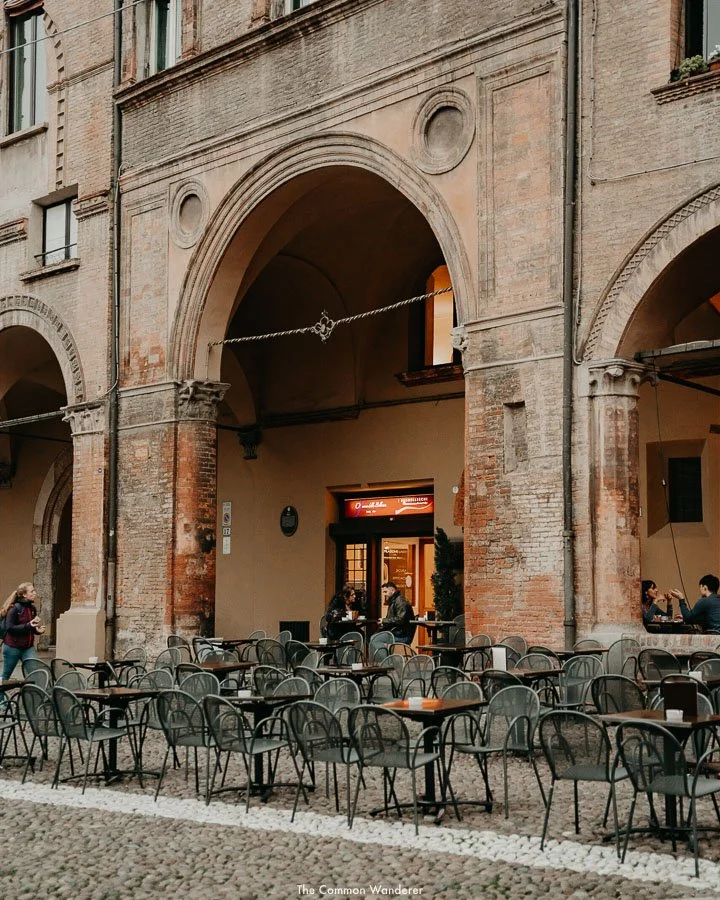
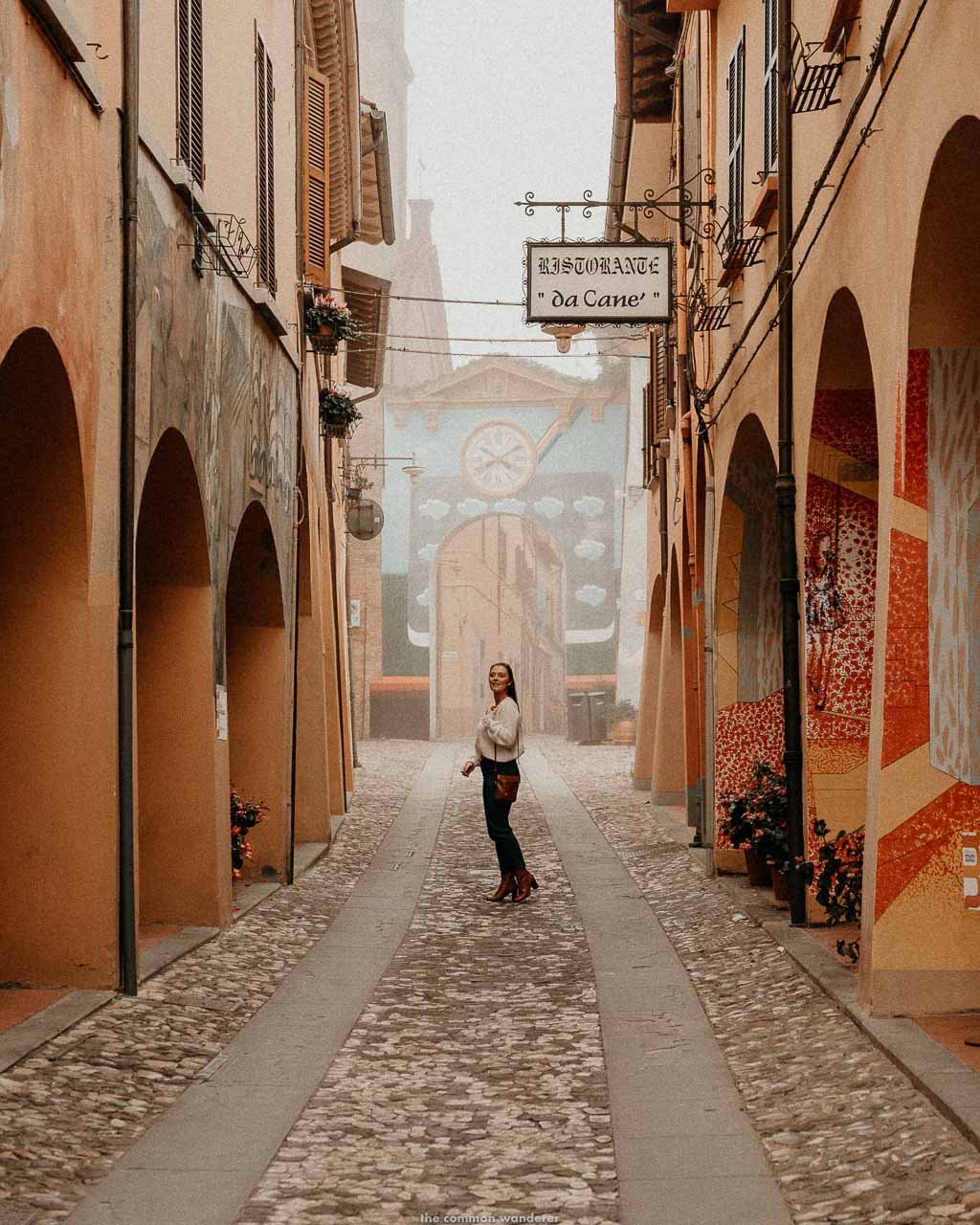
In our opinion, this is one of Italy’s most unique, beautiful, and underrated cities. Medieval terracotta buildings give the city its nickname, La Rossa, while miles of UNESCO heritage-listed porticoes paint the streets with lights, shadows, and deep architectural perspectives like moving artwork (perfect for street photography!).
Under these columns lie hidden galleries and hipster boutiques, hole-in-the-wall bars and groups of students sharing a laugh between classes.
It’s also one of Italy’s most progressive cities, with a deeply liberal and politically edgy society, while also securing pride of place as the country’s gastronomic capital. Not an easy feat in a country so famed for its delicious fare!
In the past few years, Bologna has stopped being Italy's best-kept secret. Arrivals are up double digits from a few years ago, and summer now means real crowds around Piazza Maggiore and the towers.
What hasn't changed is how quickly it thins out once you're two streets off the main squares, or how little of the city's daily life bends around tourists rather than around the university and the market. It's busier. It's still Bologna.
If you’re a traveller in search of ‘true Italy’, Bologna is a wonderful option still. These are the things we'd tell a friend to do in Bologna, plus where to eat, how long to give it, and everything that's changed since our last visit.
LOVE OUR PHOTOS? Edit like us with our European Summers Preset Packs, and mobile video filters, inspired by the warm hues and vibes of summers spent in Europe


THINGS TO DO IN BOLOGNA OVERVIEW
DON'T MISS | Walking the porticoes, including up to San Luca, Piazza Maggiore, sunset from the Torre dell'Orologio, tagliatelle al ragù at Trattoria da Me, Aperitivo in Quadrilatero
BEST FOR FIRST-TIMERS | Piazza Maggiore, the porticoes, Le Due Torri, the Quadrilatero, San Luca
BEST FOOD EXPERIENCES | Ahimé and Oltre for modern Bolognese, Osteria dell'Orsa for the classics, Osteria del Sole for wine, cheese at Formaggeria Barbieri in Mercato delle Erbe
BEST VIEWPOINTS | Torre dell'Orologio, the terrace at San Luca, San Michele in Bosco
BEST FREE THINGS | The porticoes, Basilica di San Petronio, Santo Stefano, MAST, Le Serre
BEST DAY TRIP | Dozza for the painted walls, or Modena for balsamic and Ferrari
HOW LONG | Two - five days
GET AROUND | Walk. The historic centre is small and almost entirely under cover
BOOK YOUR BOLOGNA TRIP
BOLOGNA POCKET GUIDE | Download our Bologna City Guide for all our favourite places to eat, drink and explore, saved offline on your phone
WHERE TO STAY |Grand Hotel Majestic (luxury) · Hotel Corona d'Oro 1890 (boutique) · Casa Bertagni (mid) · 051 Room & Breakfast (budget) · Bright Apartment in Historic Palazzo (airbnb)
Full breakdown in our Where to Stay in Bologna guide or the best Bologna Airbnbs
FOOD TOURS & EXPERIENCES | Download the GetYourGuide app and book food tours, cooking classes, market walks and city experiences in Bologna - and get 5% off your first app booking with our discount
CAR HIRE | For day trips to Dozza, Parma/Modena and wine country - search car rentals in Italy
GET CONNECTED | Organise an Airalo eSIM before you travel and hit the ground running.
TRAVEL INSURANCE | Get a quote from World Nomads, with cover available for 150+ activities
SPEND SMARTER | Get a Wise card to pay in Euros and skip foreign transaction fees
PLAN YOUR TRIP TO BOLOGNA
WHY VISIT BOLOGNA?
Because nowhere else in Italy looks like this, eats like this, or argues about politics quite this loudly over an aperitivo.
Start with the food, since everyone does. This isn't the food of tasting menus and photographed plates - Bologna's genius is a larder of things you already know sound better here: mortadella, tagliatelle al ragù, tortellini in brodo, Parmigiano Reggiano from the hills an hour south.
It's one of the world's great gastronomic cities, and it's not resting on that reputation - a new generation of kitchens (Ahimé, Oltre) treats a two-thousand-year-old food culture as a starting point rather than a museum piece.
Then there's how it looks. Forty kilometres of covered medieval porticoes. Terracotta rooftops that earn the city's nickname, la rossa, are properly gold in late-afternoon light. Two leaning towers that have been arguing with gravity since 1109. It's UNESCO-listed, and it still feels used rather than preserved, which is the harder trick.
It's also unmistakably a working city. Bologna sits at the edge of Italy's industrial heartland, with Ferrari, Lamborghini and Ducati all built within an hour of here. It's also been one of the country's most left-leaning, student-driven cities for decades, which shows up in the graffiti, the co-op bars, and how unbothered everyone looks by a stranger's opinion.
It's rough around the edges in a way that isn't curated, which in our view makes it more charming than most cities.
Add a proper wine country on the doorstep, one of Europe's oldest universities keeping the streets young, and a historic centre small enough to actually get to know in two or three days rather than tick off, and you get a city built for slowing down rather than sightseeing.
WHERE IS BOLOGNA?
Bologna is the capital city of the Emilia-Romagna region of Italy, located in northern Italy. With a population of close to 400,000, it's Italy's 7th largest city.
WHEN IS THE BEST TIME TO VISIT BOLOGNA?
Bologna works in every season, but as with most places, timing changes what kind of trip you get.
Below is a season-by-season breakdown to help you plan your visit:
SPRING (April and May) | April is one of Bologna's wetter months, with sudden afternoon showers to be expected. But it steadies out fast, and by mid-May, you get long days, open terraces and temperatures in the low 20s without the summer crowds or the summer heat.
SUMMER (June to August) | June is close to perfect, with warm, long evenings and relatively comfortable days.
As with most of Europe, especially in the Climate Crisis, July and August are a different proposition, with highs regularly above 32°C and real humidity.
That isn’t fun in a walking city with little tree cover in the historic centre.
AUTUMN (September and October)| Autumn is our pick. September carries summer's warmth without the overwhelming heat, and is one of the best months here. October is beautiful, with harvest season, truffle and wine festivals across Emilia Romagna taking a visit to a whole other level.
But it's also when the rain properly sets in, as does the fog, so pack and prepare accordingly.
WINTER (November to March) | This is Bologna at its most local and most underrated. Cold, often grey, and November is the wettest month of the year, but the porticoes mean you can walk the whole city under cover.
If crowds and heat bother you more than cold does, this is an excellent window to visit.
HOW MANY DAYS DO YOU NEED IN BOLOGNA?
If we’re honest, two days is the minimum for a weekend, enough to cover the essential sights and get a basic feel for the place, but it’s nowhere near enough time.
Four days is the perfect amount - enough to see everything, but at a pace worthy of Bologna - slow and considered.
A week or more is when you can see the city and the incredible surroundings of Emilia Romagna, which truly is one of Italy’s great regions. And start using it as a base for the whole region.
Here's how we'd structure two days:
DAY 1: THE CENTRE | Start with coffee in the Quadrilatero before the market wakes up, but also to see it as a working market, with fruit stalls and fishmongers selling their goods. Visit Piazza Maggiore and the Basilica di San Petronio, then the nearby Archiginnasio's anatomical theatre, as part of a walking tour if history is your thing.
Stop for lunch at Mercato delle Erbe.
Afternoon at Santo Stefano's seven churches, then Santa Maria della Vita for the Compianto. Afternoons are intentionally slow, with a spritz in the Ghetto Ebraico ( Camera a Sud), then dinner at Ahimé or Oltre for some modern Bolognese cuisine.
DAY 2: ABOVE THE CITY | Walk the Portico di San Luca early, before the heat and the crowds - it’s 3.8km, 666 arches, and the view back over Bologna is the whole reason to do it. Head back down for lunch in the Quadrilatero or somewhere on the way.
Spend an afternoon at MAMbo or MAST, or simply walking the city streets and porticoes. Sunset is great from the Torre dell'Orologio, since the Asinelli Towers are closed. Stop for gelato at Cremeria Cavour on the way to dinner and cocktails at the hip Ruggine.
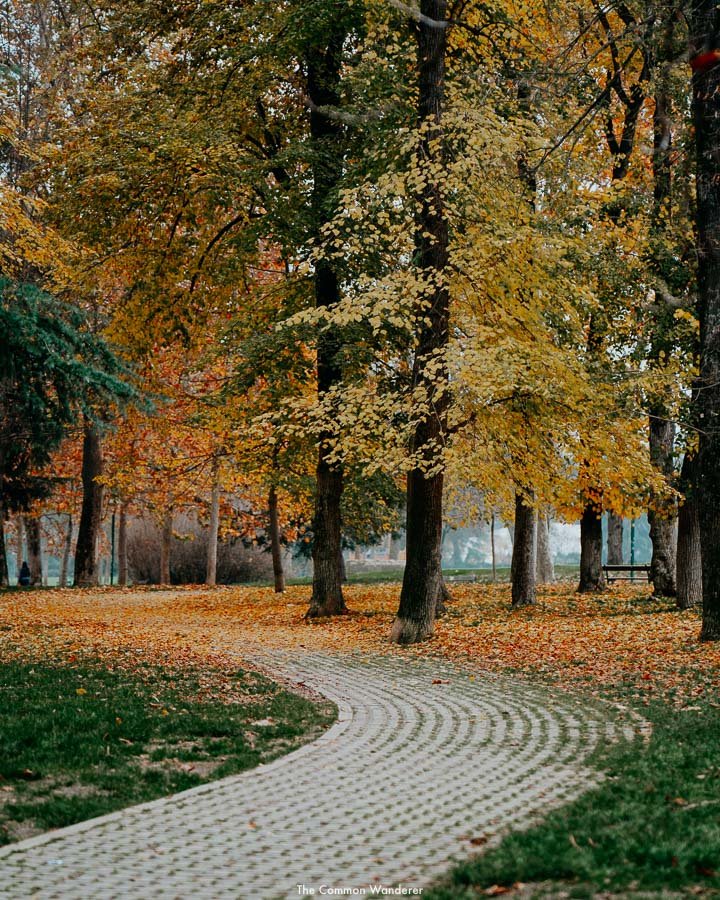
FOUR DAYS: DAY TRIPS | Add a day trip to Modena for balsamic vinegar, the Ferrari museum and a beautiful, near-empty centre. Then, give yourself a proper wine afternoon in an enoteca rather than rushing it between sights. Spend a slow morning at Giardini Margherita and Le Serre dei Giardini instead of ticking off another museum.
A WEEK OR MORE | Day-trip to Parma or Imola, enjoy food, wine and historic towns. Go deep on Motor Valley - Lamborghini at Sant'Agata, Ducati on Bologna's own outskirts. And give a full day to Dozza, an hour away, where an entire medieval hill town has been used as a canvas for contemporary murals.
For a complete downloadable itinerary, our Bologna City Pocket Guide has everything planned out.
BOLOGNA WELCOME CARD
When visiting Bologna, we recommend purchasing the Bologna Welcome Card, a tourist card that helps you discover the best things to do in Bologna easily and cost-effectively.
The Bologna Welcome Card can be purchased online or at tourist info points in town.
THE DETAILS
What | Bologna Welcome Card
Cost | Card Easy €35, Card Plus €55 - both valid for 15 days from first activation
WHERE TO STAY IN BOLOGNA
Bologna's accommodation is concentrated mostly in the Centro Storico (the historic heart, everything on your doorstep) and the Ghetto Ebraico (our favourite - medieval laneways, wine bars, a few minutes from the centre).
Budget travellers should look at Città Universitaria or the streets around the train station.
A few of our top picks:
LUXURY | Grand Hotel Majestic "già Baglioni": the city's only true five-star, a grande dame steps from Piazza Maggiore
BOUTIQUE | Hotel Corona d'Oro 1890: layered architectural history by the Two Towers
MID-RANGE | Casa Bertagni: quirky, art-filled guesthouse with an exceptional homemade breakfast
BUDGET | 051 Room & Breakfast: small, central and brilliant value, steps from Piazza Maggiore
AIRBNB | Bright Apartment in Historic Palazzo: two-bedroom, central location, guest fave
For the full breakdown of where to stay for every budget, including a full neighbourhood guide, read our Where to Stay in Bologna guide here.
For a full guide to the city’s airbnbs, read our Bologna airbnb guide here.

TOP THINGS TO DO IN BOLOGNA
#1 WALK BOLOGNA’S ENDLESS PORTICOES
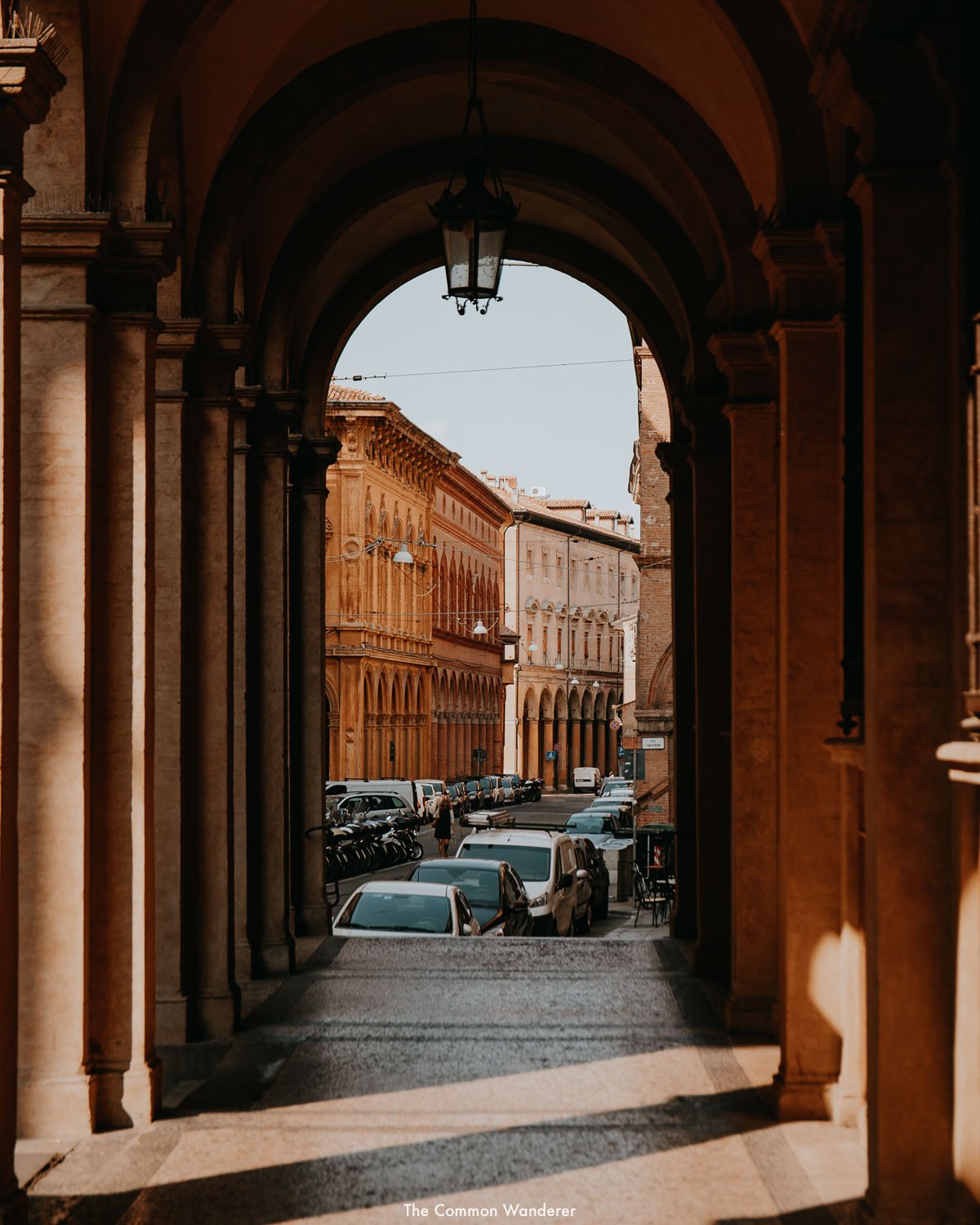
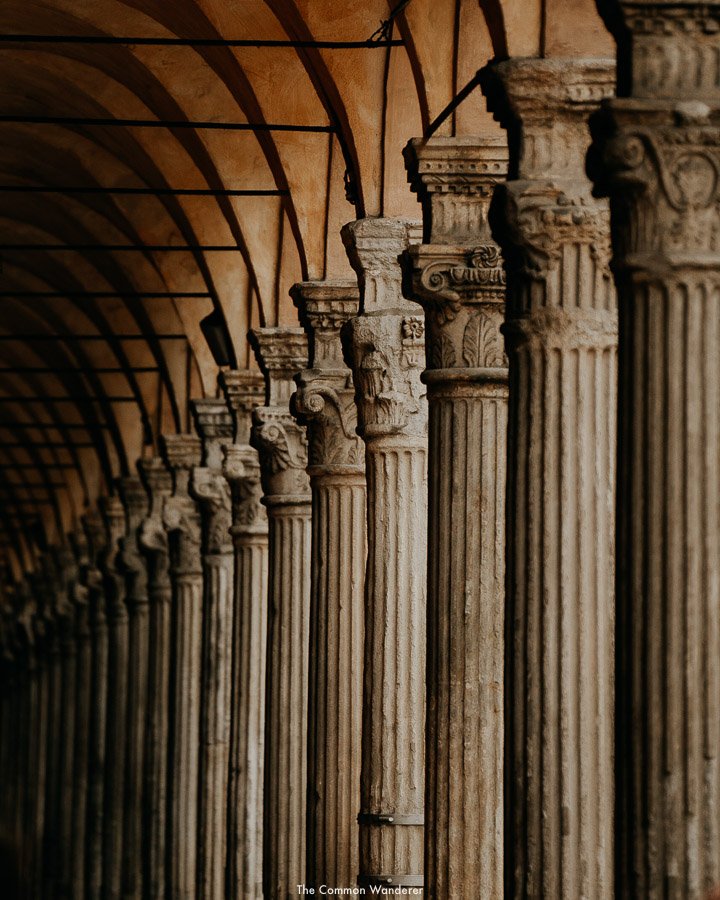
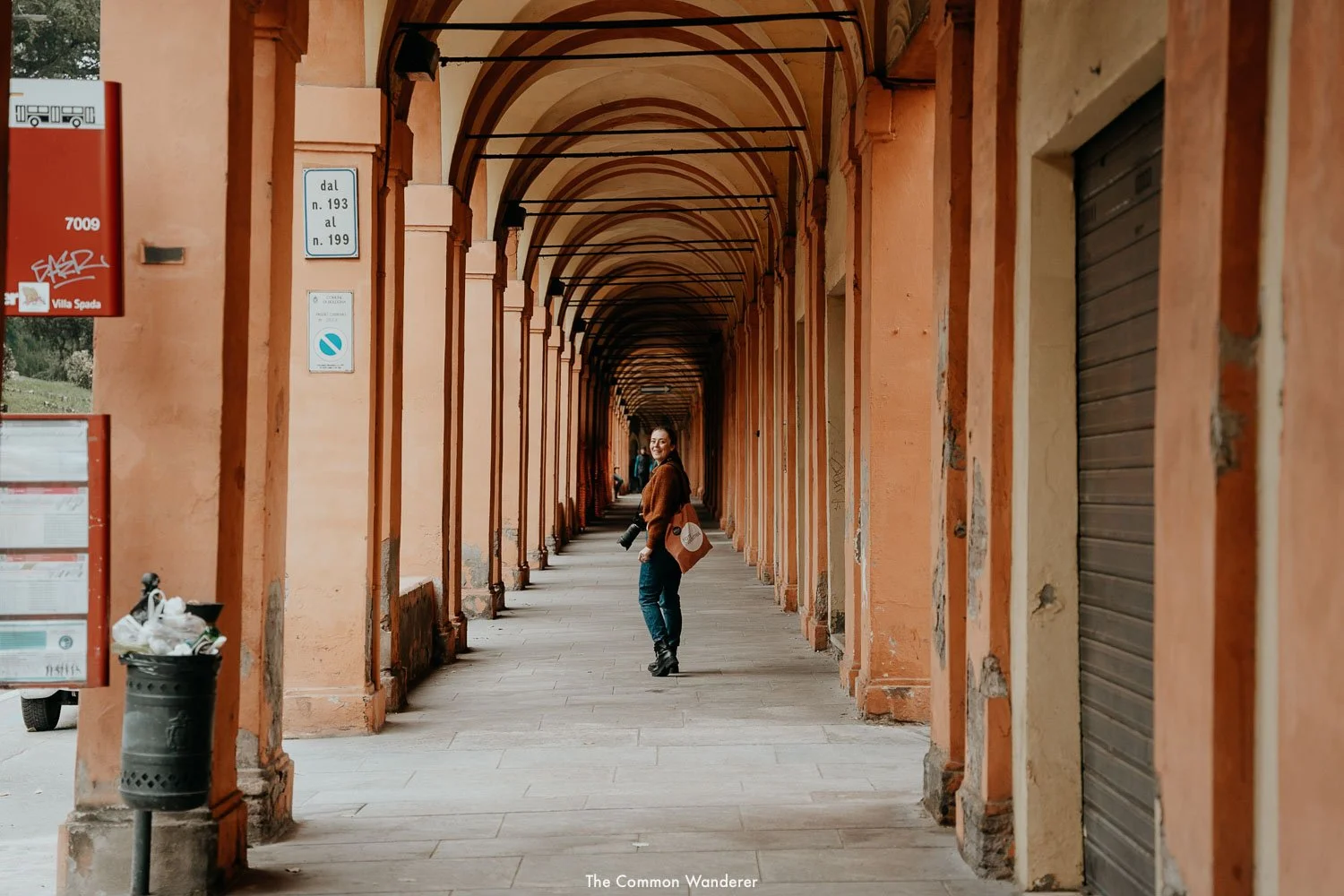
Lights and shadows, unique architectural angles, columns, capitals and frescoes; Bologna's porticoes create the most fascinating urban landscapes and ones which we couldn't help but fall in love with.
The UNESCO World Heritage-listed porticoes of Bologna were built between the city's prosperous Middle Ages and the early 20th century, when the growth of the University created the need for additional space.
To avoid having to narrow the streets down to extend the footprint of the university, porticoes were built over the existing walkways - at a height that horses and carts could pass below them - that also created space for extensions to occur on top of them.
There are close to 40 km of porticoes throughout the city of Bologna, each with its own unique style and structure. By simply strolling the city's porticoes, it felt like we were getting to know the city and its history, one step at a time. Another great way to see and learn about the porticoes is to take a guided city walking tour - that way, you’ll understand their importance and beauty.
Locals use the porticoes in different ways, whether it be friends sitting under their arches to have an espresso or smoke, or to walk their dogs in the absence of rain. University students even use them as advertising boards for the latest parties in town.
But for us, it was the perfect place to take photos - they're just so picturesque we couldn't put our cameras down (except when it was time for Aperol Spritz).
Some of our favourite porticoes were:
The porticoes of Piazza Maggiore and the seat of the old University
The original wooden porticoes of Via Marsala
The porticoes of Piazza Santo Stefano
THE DETAILS
Where | Everywhere in Bologna!
Tours | This walking tour of Bologna is perfect to see the city’s most interesting porticoes, their history and traditions with a local guide.
BOLOGNA TIPS | Read this before you visit Bologna
#2 CLIMB TO THE TOP OF BOLOGNA, THE ASINELLI TOWER (CURRENTLY CLOSED)
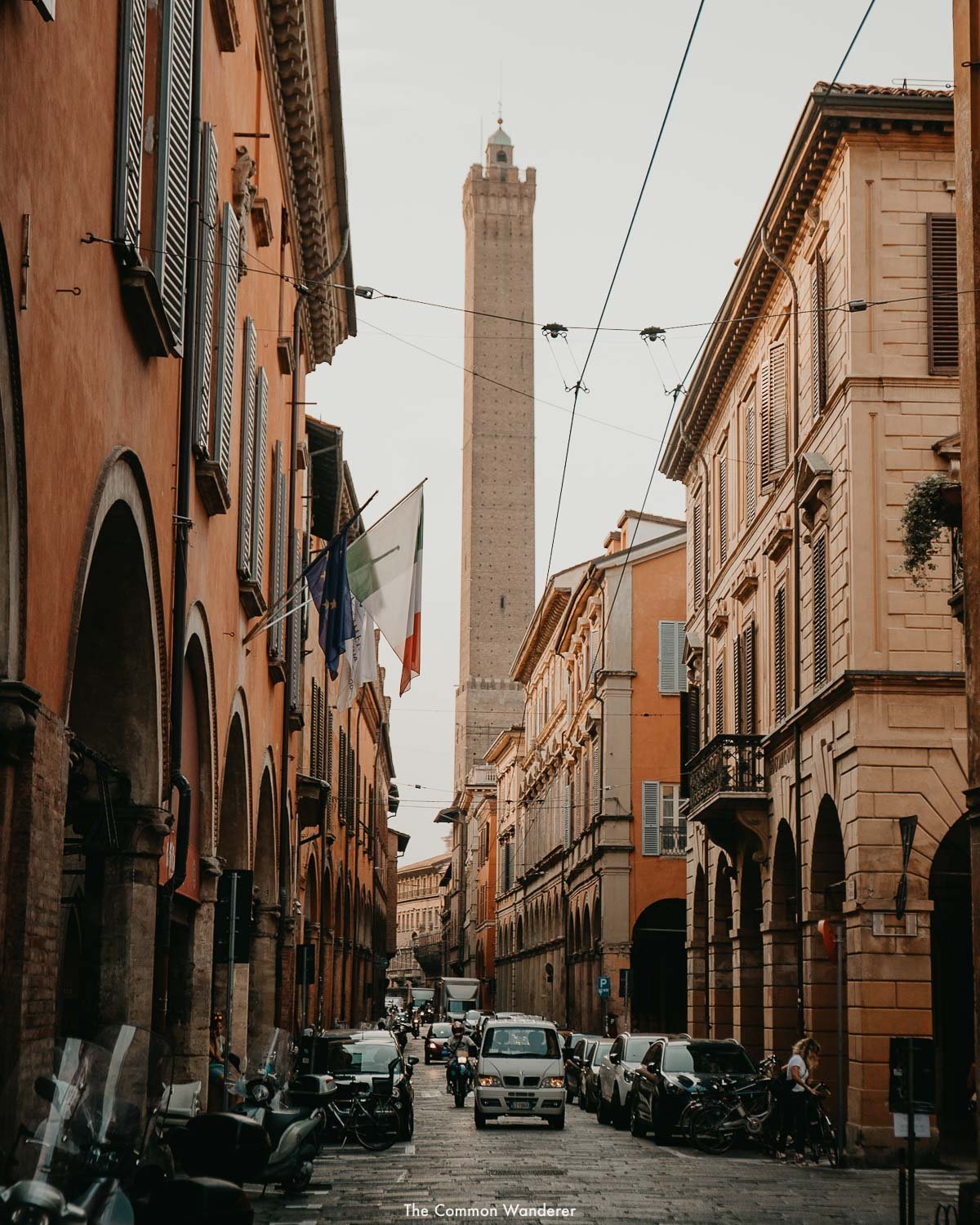
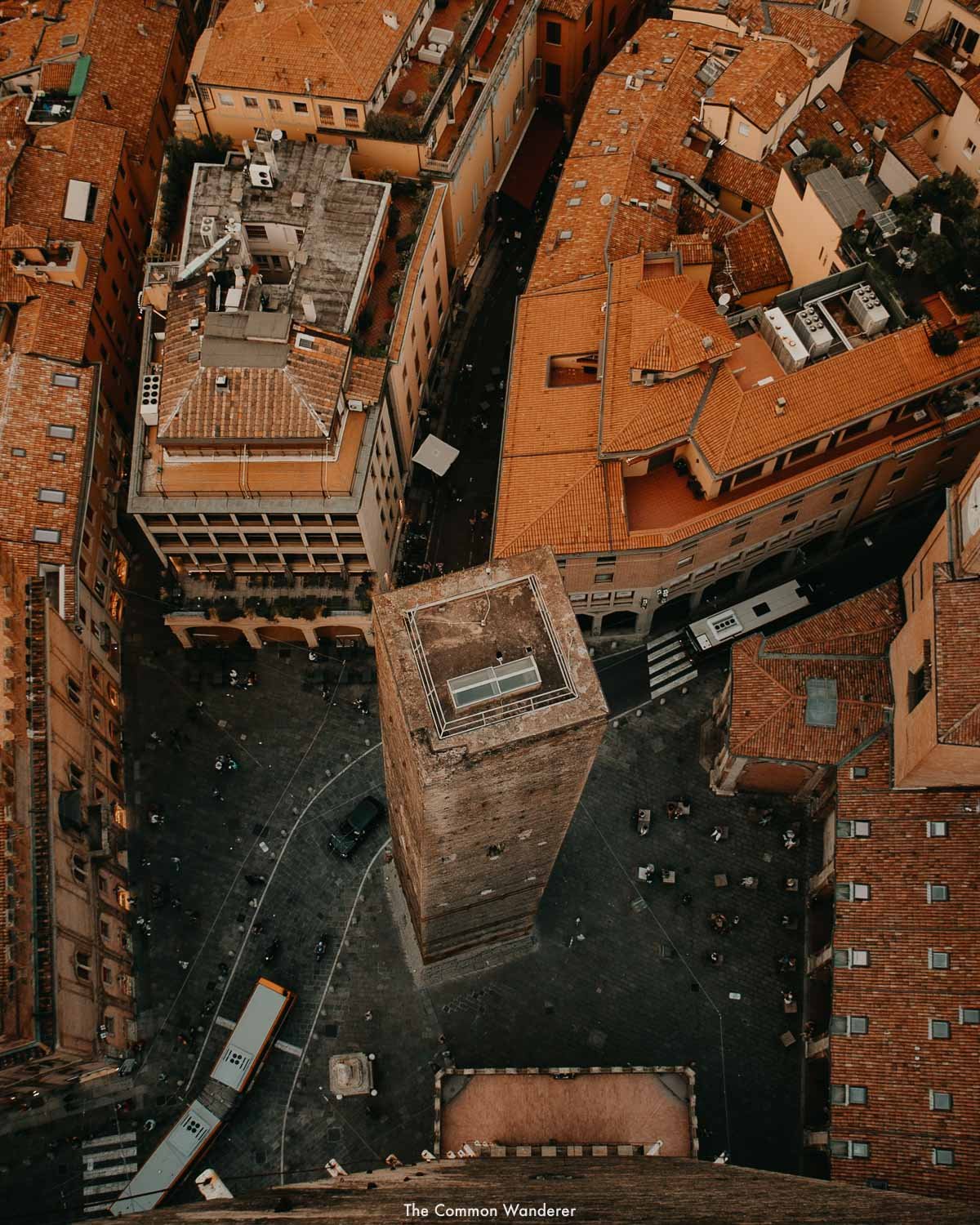
The twin towers of Bologna, otherwise known as Le Due Torri, were the number one attraction in the city until their recent structural issues (more on that below).
Commenced in the 11th century, the towers were constructed by the prominent Asinelli and Garisenda families as defensive fortifications (and status symbols), strategically placed at the entry point in the city of the ancient Via Emilia (Aemilian Way) to warn off any potential invaders.
Incredibly, Bologna once had close to 180 of these towers. A medieval Manhattan, built as much out of family rivalry as defence, guarding the point where the ancient Via Emilia entered the city.
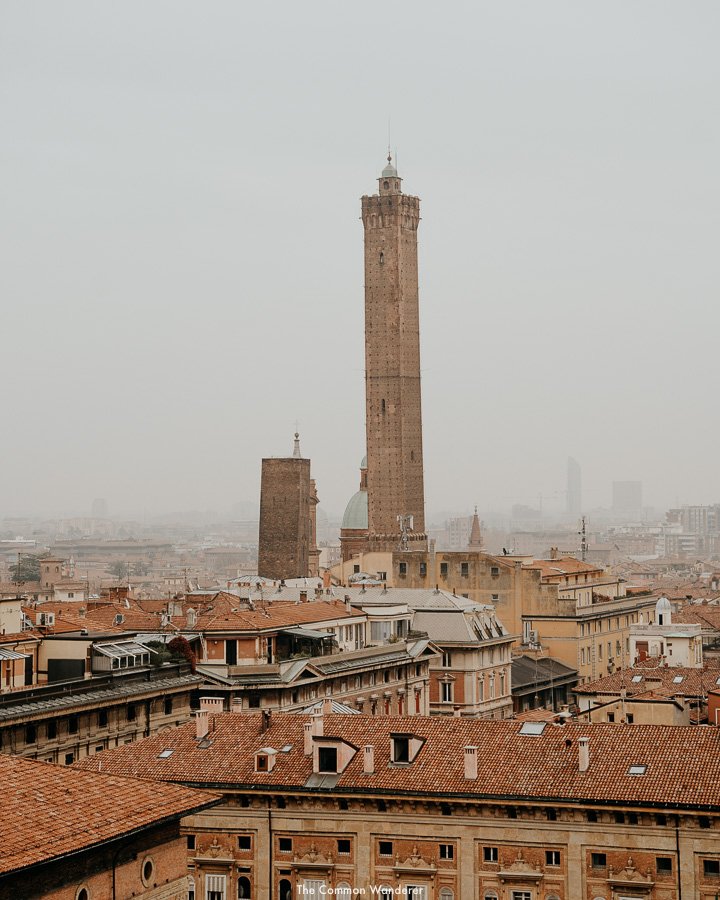
Fires, wars and lightning strikes have taken all but twenty. What's left, the Asinelli and Garisenda standing shoulder to shoulder at Piazza di Porta Ravegnana, is still the single image everyone pictures when you say "Bologna."
Unfortunately, Torre degli Asinelli remains closed to visitors. Bologna is using the same pylon-and-cable system that saved the Leaning Tower of Pisa, a roughly €19 million operation, and the mayor has said the Asinelli could reopen once the Garisenda is secured.
No confirmed date exists, and some estimates put the work running into 2028.
When it does reopen, you’ll climb 498 narrow, wooden steps to the top of a 97.2m tall medieval tower for the best views in Bologna - Piazza Maggiore below, and out past the rooftops, the dead-straight line of the Via Emilia, the Roman road that's been cutting through this region since the 2nd century BC, running clean off toward the horizon. To the south, the green rolling hills of the Emilia Romagna region.
For a full history and what's changed in our guide to Le Due Torri.
THE DETAILS
Where | le Due Torri, Bologna
Cost | N/A while closed
Tickets | N/A while closed - check duetorribologna.com for reopening updates
Opening hours | Closed
Read more | Our guide to Bologna’s famous Asinelli Tower
hiking the via matildica in emilia romagna | discovering the ‘real’ Italy
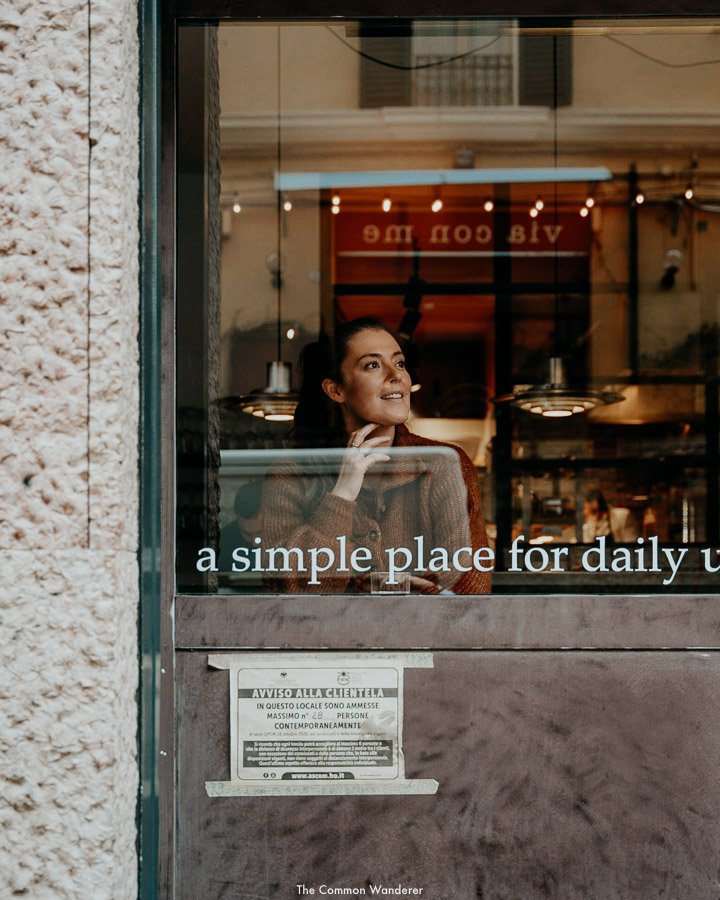
#3 EAT BOLOGNA’S ICONIC DISHES
During our week in Bologna, we may or may not have added a few kg's to our waistline by sampling the city’s many culinary delights, and we're not sorry about it at all.
The city does, after all, have the nickname La Grassa ("the fat one"), an epithet we made sure we lived by.
Quite simply, eating is one of the best things to do in Bologna, and in a country famed for its cuisine, the city reigns supreme as the gastronomic capital of Italy.
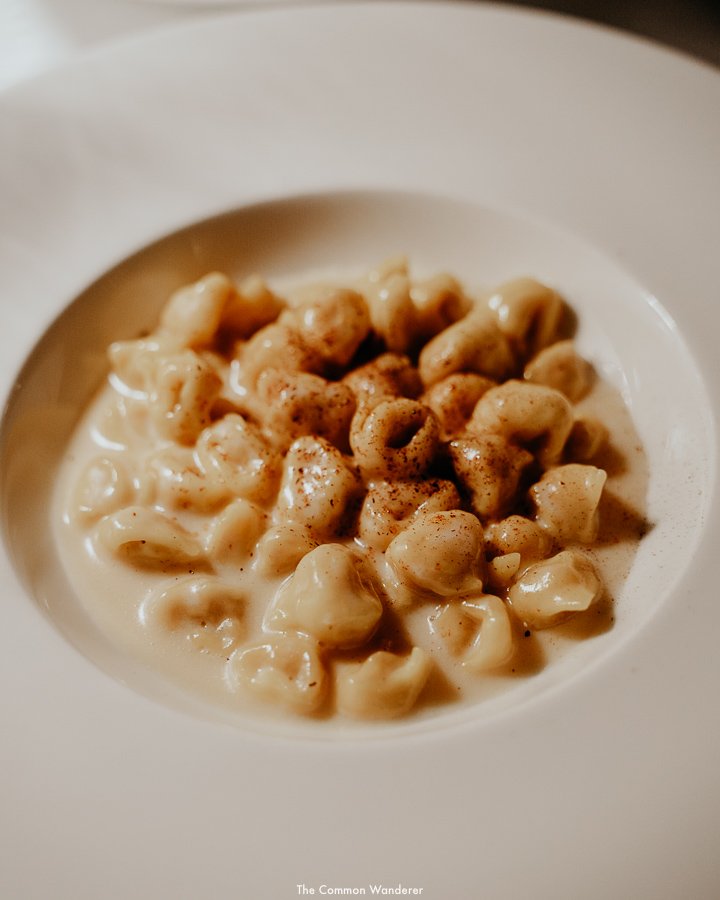
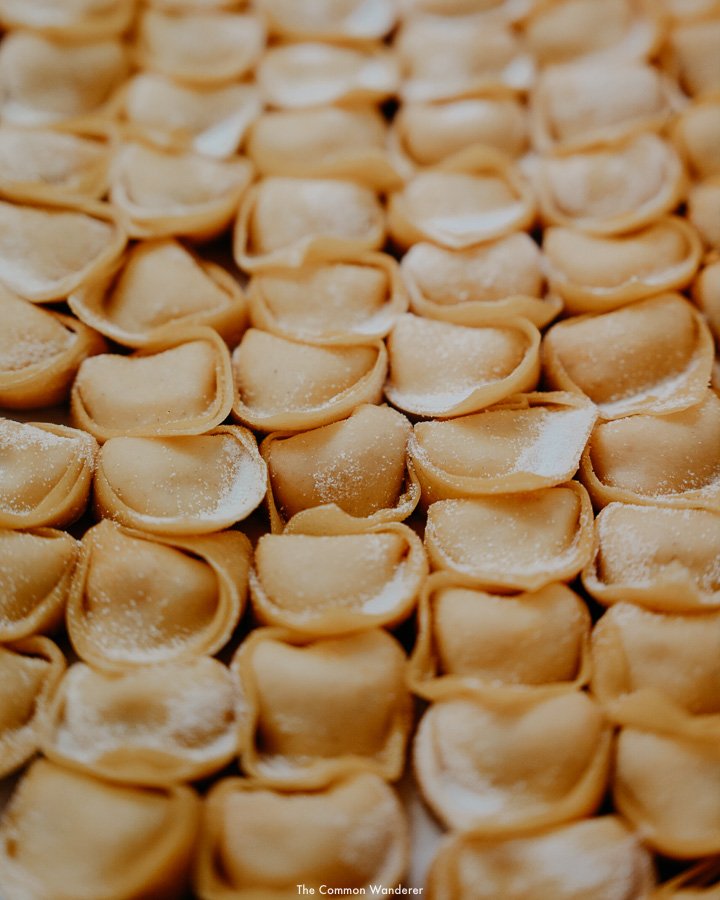
Bologna is the birthplace of tagliatelle al ragù (never spaghetti bolognese — that's not a thing here), and the wider region of Emilia Romagna gives you Parmigiano Reggiano, tortellini, tortelloni, mortadella, Parma ham and traditional balsamic.
All of it, remarkably, without breaking the bank.
The essentials to order in Bologna include:
Tagliatelle al ragù
Tortellini in brodo
Pumpkin tortelli with parmesan
Tortelloni with butter and sage
For traditional Bolognesi cuisine, the street of via della Moline offers a large variety of traditional restaurants, all with large terrace areas perfect for summer dining. Our pick of restaurants was Trattoria del Rosso, which served the most impressive tortelloni we had in Bologna.
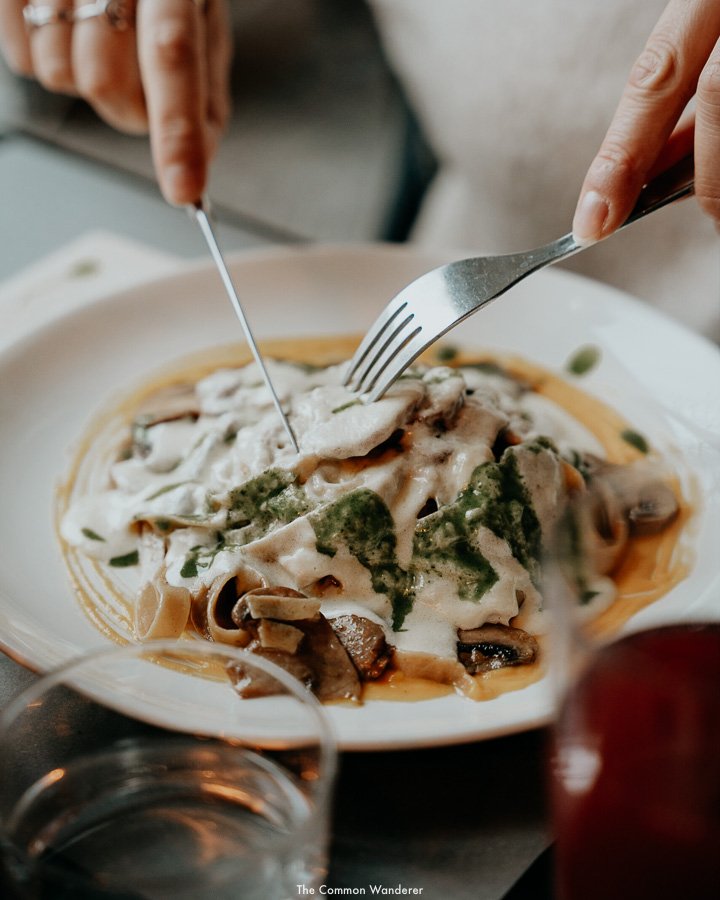
Our favourite meal in the city was at Ahimé, a modern, seasonal restaurant run by three young locals with genuine talent, and worth booking well ahead.
For something more traditional, Trattoria del Rosso on via delle Moline served us the best tortelloni we ate in Bologna, on a terrace built for slow summer dinners.
And if you're vegetarian, Botanica Lab does ridiculously good plant-based cooking in the coolest room in the city.
For the full list of everywhere else we've eaten well in Bologna, such as traditional trattorias, the modern Mercato delle Erbe crowd, and where the students go for stuzzichini and cheap Aperol Spritz near Piazza Giuseppe Verdi, read our complete guide to where to eat in Bologna (coming soon)
THE DETAILS
Where | Everywhere in Bologna, or via della Moline, student quarter of Bologna (near Piazza Giuseppe Verdi), Quadrilatero
Cost | Primi €8–14, secondi €10–20, dolci €3–5 - expect two courses plus wine for around €25–30 per person at a solid trattoria
#4 TAKE A FOOD TOUR OR COOKING CLASS
Bologna didn't earn the moniker ‘La Grassa’ by accident.
This is a city where food carries the weight of identity; Emilia Romagna produces more DOP and DOC certified products than almost anywhere else in Italy, the University of Bologna quite literally teaches food science, and every family here has an opinion on whose ragù is closest to correct. In Bologna, food, quite literally, is life.
You can eat well on instinct alone (trust us, we’ve done just that!), but a lot of what makes Bologna's food scene what it is, such as which market stall has been in the same family for three generations, why tortellini are folded the way they are, which osteria the locals actually go to, is the kind of first-hand information you only get from someone who grew up here.
That's why we highly recommend a guided food tour over winging it, and it's the one thing we suggest booking ahead rather than deciding on the day.
Two food tours that we think are worth their weight in gold are:
FOR THE FOOD SECRETS | This local-led walking tour takes you through the Quadrilatero and beyond with a Bolognese guide, tasting as you go, such as mortadella from a specific butcher, Parmigiano straight from the wheel, and balsamic that's actually aged the way it should be.
It's as much a history lesson as a meal; the kind of context that changes how you order for the rest of your trip.
FOR THE HANDS-ON EXPERIENCE | If you'd rather learn than just eat, this cooking class in a local's home walks you through rolling fresh pasta by hand - tagliatelle, tortellini, the lot - with someone who learned the same way from their family over generations.
You leave with a skill, not just a full stomach, and it's a great rainy-afternoon alternative if the weather turns.
Either way, you'll walk away understanding why Bologna eats the way it does, not just what to order.
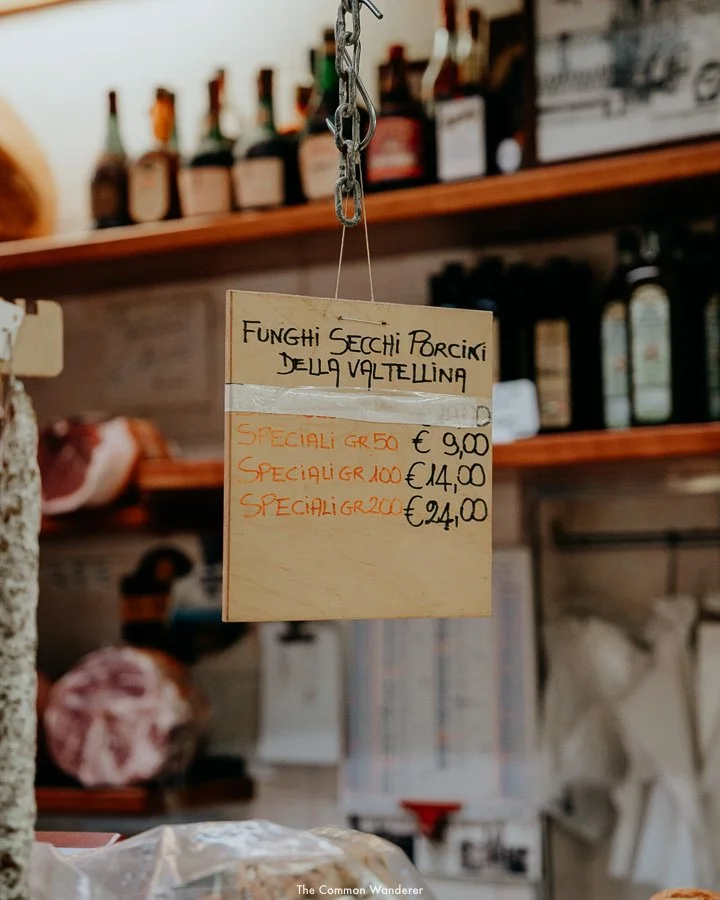
#5 PEOPLE WATCH IN THE CENTRE OF BOLOGNA, PIAZZA MAGGIORE
One of the largest and oldest squares in Italy, Piazza Maggiore is the epicentre of political and social life in Bologna, and the starting point for everything to do in Bologna.
The square is framed by some of Bologna's grandest buildings - the Basilica di San Petronio, Palazzo dei Notai, Palazzo d'Accursio, Palazzo del Podestà and Palazzo dei Banchi - and it's one of the most beautiful public squares we've stood in anywhere in Europe.
Previously, it was one of Europe's biggest open-air markets right up until the mid-1800s, with goods arriving from all over the world, which is exactly why it grew into the meeting point it still is today. Look closely at the walls of Palazzo d'Accursio, and you'll find medieval measurement standards carved into the stone, put there so merchants couldn't cheat customers at market.
And at the centre of the square, the raised platform still carries visible scarring from an American tank that crossed it on 21 April 1945, the day Bologna was liberated.
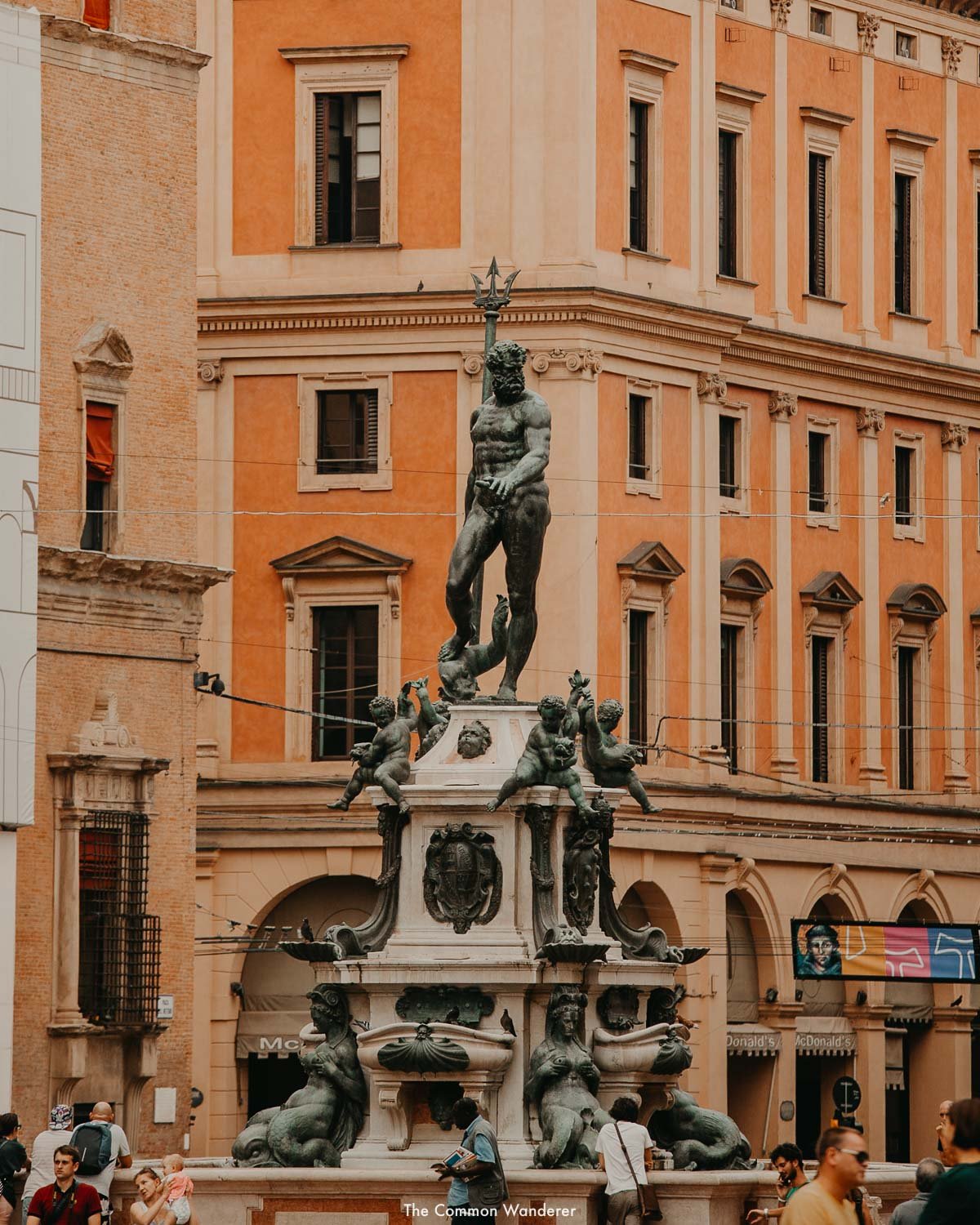
The Fountain of Neptune sits at the square's edge, completed in 1566 in full late-Renaissance drama, with Neptune towering over four reclining figures representing the Ganges, Nile, Amazon and Danube, the four rivers of the four continents known to 16th-century Europe.
We spent many afternoons in Piazza Maggiore doing something we love: people watching. We sat on the stairs of San Petronio watching as cyclists swerved through crowds of rowdy students, tourists posed for selfies in front of timeless architecture, locals enjoyed an espresso and a cigarette at shaded cafes, and buskers filled the square with their musical delights.
Piazza Maggiore is also home to the Bologna Welcome visitor centre, your best source for what's on and what's open.
We highly recommend joining one of the city walking tours, which commence from here (you can book here), and will take you to all the major cultural attractions in the city, including Piazza Maggiore. The tour gave us such a better understanding of the city, its culture and its people, at which point, everything suddenly made sense!
THE DETAILS
Where |Piazza Maggiore
Cost | Free to enter the square; the Fountain of Neptune and people-watching cost nothing
Tip | Avoid eating directly on the square; you're paying for the view, not the food. Grab a gelato instead and just sit
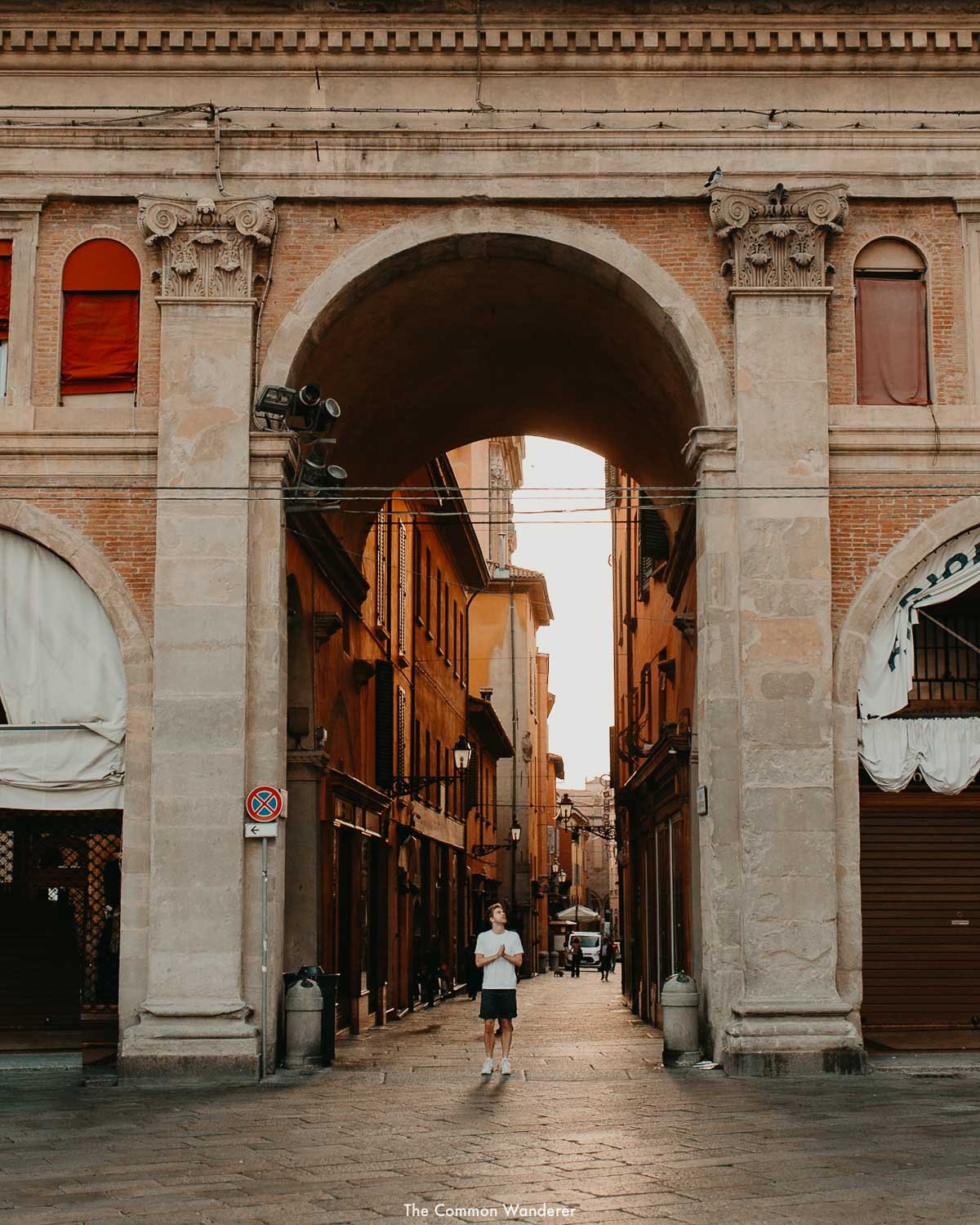
#6 ADMIRE THE UNFINISHED BEAUTY OF THE BASILICA OF SAN PETRONIO
Smack bang in the middle of Bologna, just off Piazza Maggiore, lies one of the city's most important and imposing structures, San Petronio church.
Named in honour of the patron of Bologna, Saint Petronius, construction of the basilica started in 1390. Although it was never completed due to a rivalry with Rome (just look at the half-marble, half-brick facade on the exterior for proof!), the church evolved through the Middle Ages to become the structure it is today.
Inside, the church has many distinctive qualities that make it one of the most unique we've visited, so it's a definite stop for any Bologna itinerary.
These include:
THE MERIDIAN LINE | At 67m, the longest sundial line in the world, laid down in 1656 by astronomer Gian Domenico Cassini.
A shaft of sunlight enters through a hole 27m up in the vault and tracks precisely along the line as the seasons change, an early, elegant piece of scientific instrumentation built straight into a place of worship
ANCIENT ORGANS | San Petronio holds the oldest still-functioning organ in the world, built around 1470 by Lorenzo da Prato, alongside a second organ roughly 400 years old. Try to time a visit around a service if you can, as hearing either played is something else
THE FRESCOES | Giovanni da Modena's Last Judgement cycle, including a striking, controversial Inferno scene, dominates the Cappella Bolognini
SIDE CHAPELS | Twenty-two chapels ring the nave; the Cappella Bolognini is the standout, its Heaven and Hell frescoes drawn directly from Dante's Divine Comedy - the same imagery that got Bologna in trouble with extremists in 2002, which tells you how seriously people still take it
THE DETAILS
Where | Basilica di San Petronio, Piazza Maggiore
Cost | Free to enter the main basilica. Chapel of Re Magi, San Sebastiano and San Vincenzo Ferrer chapels: €5 full price, €3 reduced (11–18, over 65, guided groups)
Opening hours | 8:30 am–1 pm and 2:30 pm–6 pm daily (last entry 12:50 pm / 5:50 pm)
Tips | Cover your shoulders and knees, no hats, no suitcases, and phones must be silent - the basilica's rules are enforced

#7 EXPLORE BOLOGNA’S BEST MUSEUMS
Bologna is home to an exceptional array of museums, including Renaissance-era galleries, modern art collections, and one of the more unexpected industrial museums you'll find in Europe
In short, there’s something for everyone in the city, so we’ve listed a few of our favourites below:
NATIONAL ART GALLERY OF BOLOGNA (PINOCOTECA NAZIONALE)
Bologna isn't Florence, and its national gallery is better for it - it’s quieter, more manageable, and free of Uffizi-scale crowds.
Housed in a 17th-century former Jesuit novitiate, the collection spans 13th–18th-century painting, much of it drawn from churches and monasteries suppressed under the Napoleonic occupation of the early 1800s.
It's heavy on religious Renaissance, Mannerist and Baroque work, which can wear thin if that's not your thing, but the craft is undeniable. Don't miss Raphael's Ecstasy of St Cecilia, Tintoretto's The Visitation, and Parmigianino's Madonna di Santa Margherita. Budget around two hours; labels are in Italian and English.
Overall, the collection can be seen in about 2 hours, and information is provided in both Italian and English. Entrance is €12; it is free with the Bologna Welcome card.
THE DETAILS
Where |Pinacoteca Nazionale di Bologna (National Gallery)
Cost | €12 full price, €2 reduced (ages 18–25); free with the Bologna Welcome Card
Opening hours | Tuesday–Sunday, 9am–7pm (last admission 30 minutes before closing). Closed Mondays
MUSEUM OF MODERN ART (MAMBO)
A little bit tired of all the historical sites of Bologna, we decided to spend an afternoon checking out something a little more modern - Bologna's Museum of Modern Art (MAMbo).
Located in a former bread bakery, MAMbo is now a centre for creativity and experimentation, and features permanent and loaned collections set out over 9,500sqm of modern, architecturally fluid floorspace. The permanent collection is organised into nine separate themes spanning from the 20th century to the present.
Our favourite exhibition was that of Italy's famous still life painter (and Bologna native), Giorgio Morandi. The exhibition features some of his most famous and significant works, and analyses the motifs and periods that characterised Morandi's work.
THE DETAILS
Where | Museo D'Arte Moderna di Bologna (MAMbo)
Cost | €6 full price, €4 reduced (permanent collection)
Opening hours | Tuesday–Wednesday 2 pm–7 pm, Thursday 2 pm–8 pm, Friday–Sunday 10 am–7 pm. Closed Mondays
MAST MUSEUM OF TECHNOLOGY
In a city of such historic grandeur, a modernist museum showcasing industry and technology seems a little random. However, in Bologna, it’s not.
You see, the city, and indeed Emilia Romagna, is a global manufacturing powerhouse, with some of the world’s pre-eminent companies based in the region, including the Coesia Group, who produce industrial and packaging solutions for global brands.
Coesia, looking to build a bridge between industry and the city (and its people), created the MAST foundation, an international cultural and philanthropic institution focused on art, technology and innovation.
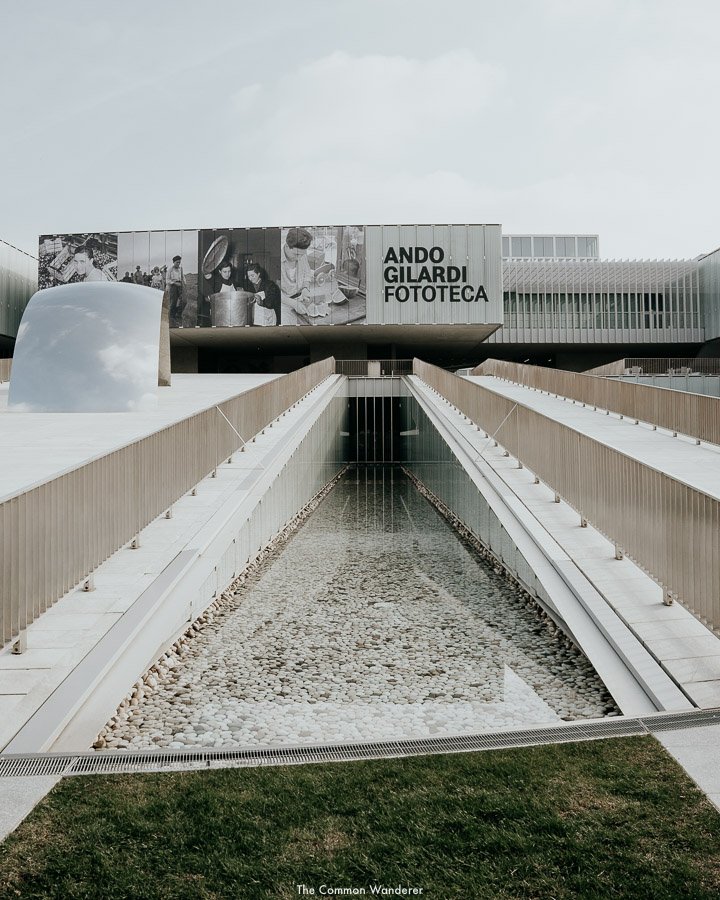
The modernist MAST Gallery comprises two large galleries and exhibitions. The super interactive Innovation Gallery showcases industry and work through exhibits and art, perfect for both kids and adults alike.
Our favourite section, though, was the Photo Gallery that hosts temporary and photography exhibitions on industry and life. The Ando Gilardi exhibition on show during our visit was exceptional in its simplicity of composition and depth of subjects.
The best part of all? It’s 100% free.
We totally understand this might sound a bit, dare we say it, boring, but it’s not - trust us. The exhibits are super interactive and provide a deep understanding of the relationship between industry and society.
Also, the building itself is worth a visit - a glass and cement modernist behemoth featuring aesthetic angles and shadows.
THE DETAILS
Where |MAST Foundation
Opening hours | Tuesday–Sunday, 10 am–7 pm (extended to 10 pm on evening event nights)
Cost | Free
Getting there | Bus #19 to Centro Vittoria, or bus #81/91 to Pontelungo
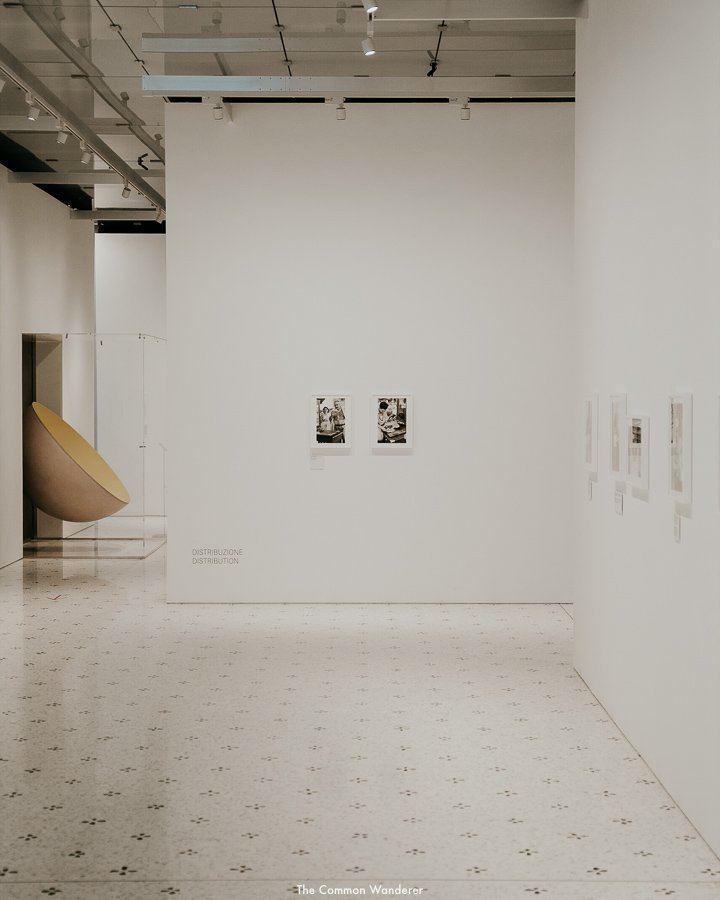
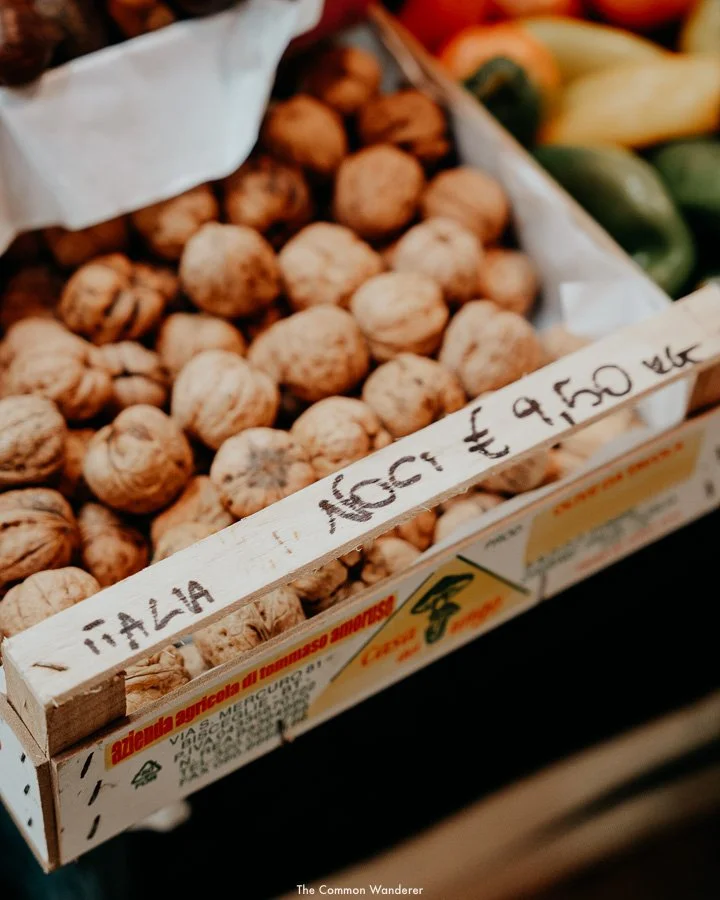
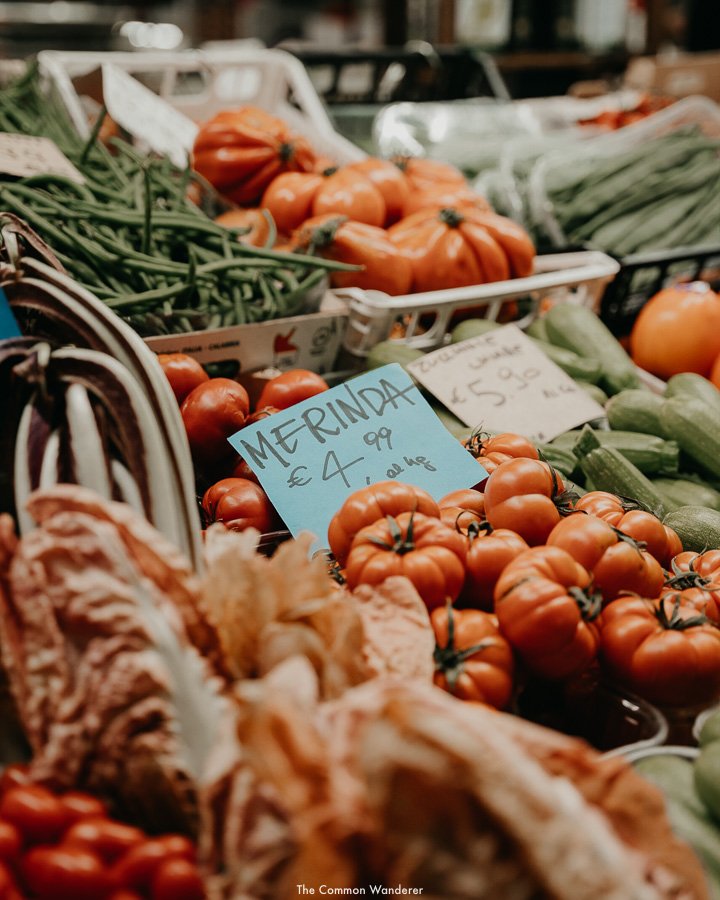
#8 EXPLORE THE MARKET STREETS OF QUADRILATERO
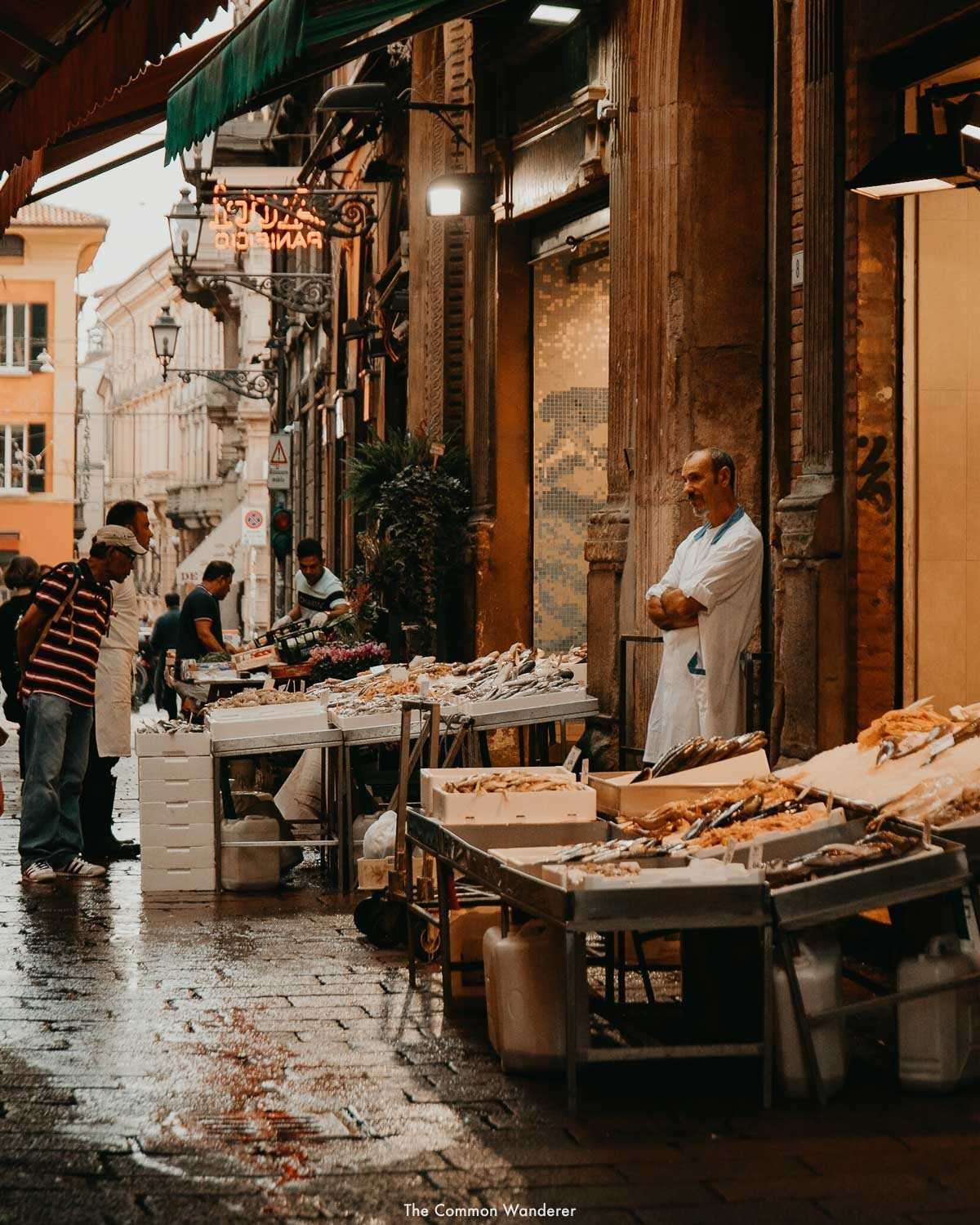
East of Piazza Maggiore, the streets narrow, the smell of the sea and fresh bread starts competing for your attention, and Bologna's gourmet heart takes over.
This is Quadrilatero, and it's one of our favourite corners of the city.
Set on the site of ancient Bologna, the Quadrilatero was the home to many markets and food stalls during the Middle Ages, and the street names tell the whole history if you know where to look.
Via Pescherie Vecchie - "old fishmongers' street"- is still where the fish trade concentrates, as it has since the 16th century.
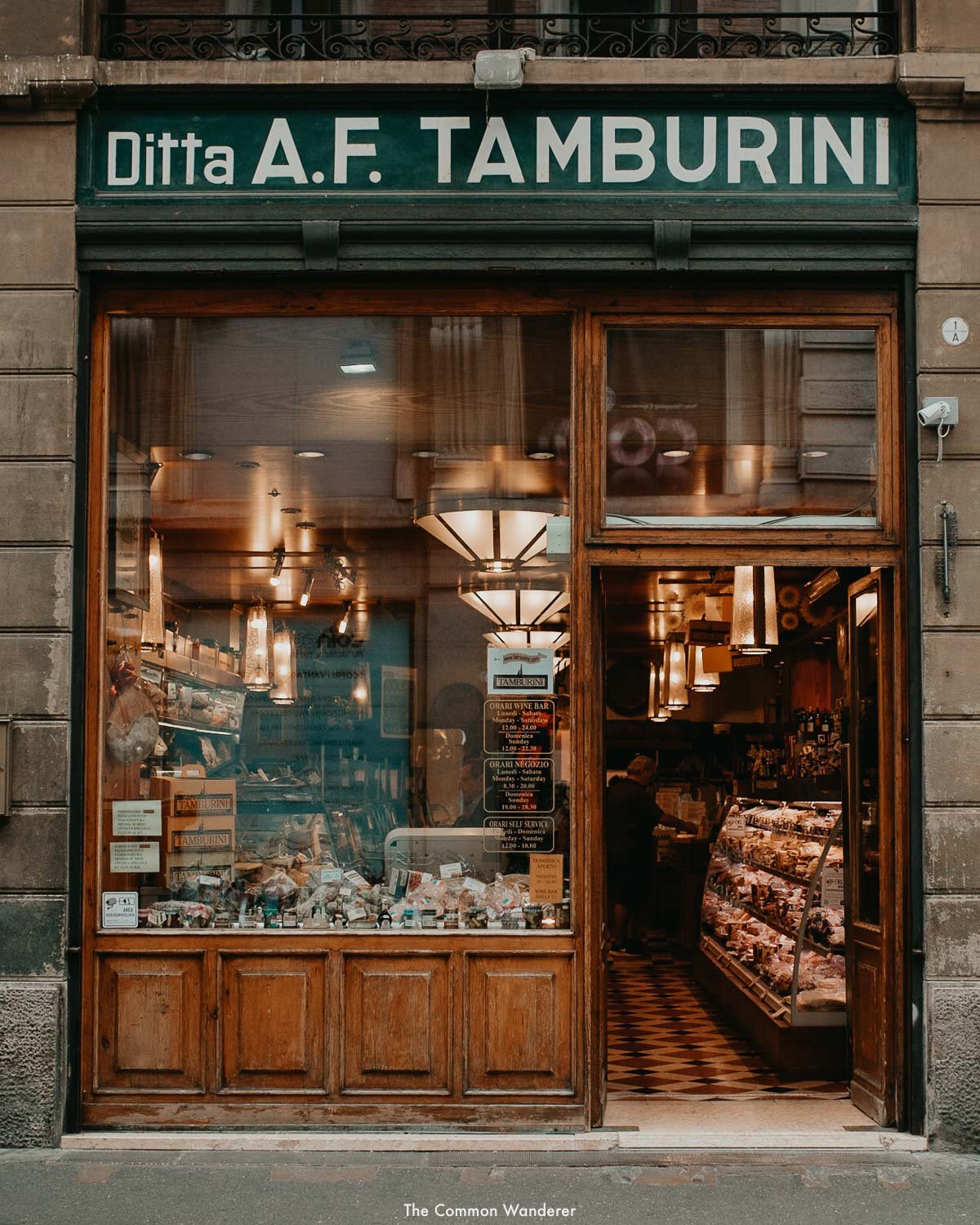
Via Drapperie was the drapers' quarter, now lined with delis and wine merchants. Via degli Orefici belonged to the goldsmiths. Via Calzolerie to the shoemakers, Via Caprarie to the butchers. And so on.
A visit here is a sensory overload in the best possible way. Greengrocers and fishmongers shout the day's specials. The scent of fresh bread drifts from the bakers. Hole-in-the-wall cafés turn out espresso for the regulars.
This is where Bologna itself still shops - they come for fresh pasta, local balsamico, aged cheeses, cured meats and cheap, delicious wine - and for aperitivo in the afternoon, and we suggest you do the same.
If you'd rather have someone walk you through it than work it out yourself, this Quadrilatero food and wine tour is built around exactly the district, with three hours through the market with a local guide, stops at three historic shops for tastings, and a proper wine tasting to finish.
THE DETAILS
Where | Quadrilatero, Bologna
#9 SAMPLE ITALY’S BEST GELATO
If you've followed us for a while, you'll know there's nothing we love more than gelato. So when a Bolognese local, Alice, told us Cremeria Cavour was the best in town, we knew we had to go.
Set in the heart of Bologna on Piazza Cavour, Cremeria Cavour was founded in 2008 by brothers Alessandro and Stefano, built entirely on one idea: the best ingredients, made with real Bolognese passion, taken seriously enough to now serve over 250,000 customers a year.
Their flavours have proper local nicknames too - "The Giant" (Il Gigante), a pine nut gelato named after what Bolognesi call the Neptune fountain, and I Portici, white chocolate and puffed rice named for the city's porticoes.
The result, we both agreed, was one of the best gelatos we've ever eaten. Ever.
We tried The Giant, Fior di Panna, chocolate (one of the best we've had anywhere) and pistachio, and every single one held up. The ingredients were obvious in the flavour - fresh, clean, nothing masking anything.
Another gelateria worth your time is Cremeria la Vecchia Stalla on Via Santo Stefano.
If you want to go beyond eating it and learn to make the stuff yourself, this hands-on gelato-making workshop is led by a working gelato professional right in the city centre, and is a fun couple of hours, and you leave with a skill instead of just a sugar rush.
THE DETAILS
Where | Cremeria Cavour, Piazza Cavour
Cost | €2.50–4 for a standard cup or cone
Menu | View Cremeria Cavour's menu here

mediterranean dreamin | our stay on a limoncello farm in sorrento, italy
#10 TAKE THE LONG WALK (OR RIDE) TO THE SANCTUARY OF THE MADONNA DI SAN LUCA
"When I see San Luca, I know I'm home," our guide Alice told us, talking about the hilltop church that announces Bologna long before you reach it. Along with Le Due Torri, San Luca is the city's other unmistakable landmark.
We missed it on our first trip, so it went straight to the top of the list for our second.
On a cold, misty autumn Sunday, we joined what felt like the entire population of Bologna and set off up the Portico di San Luca - 3.8km of UNESCO-listed arches, 666 of them, starting in Piazza Maggiore and snaking uphill to Colle della Guardia. Each arch holds a chapel or icon, most of them funded by the patron families who financed the portico's construction.
The second half is mostly stairs, and there are a lot of them.
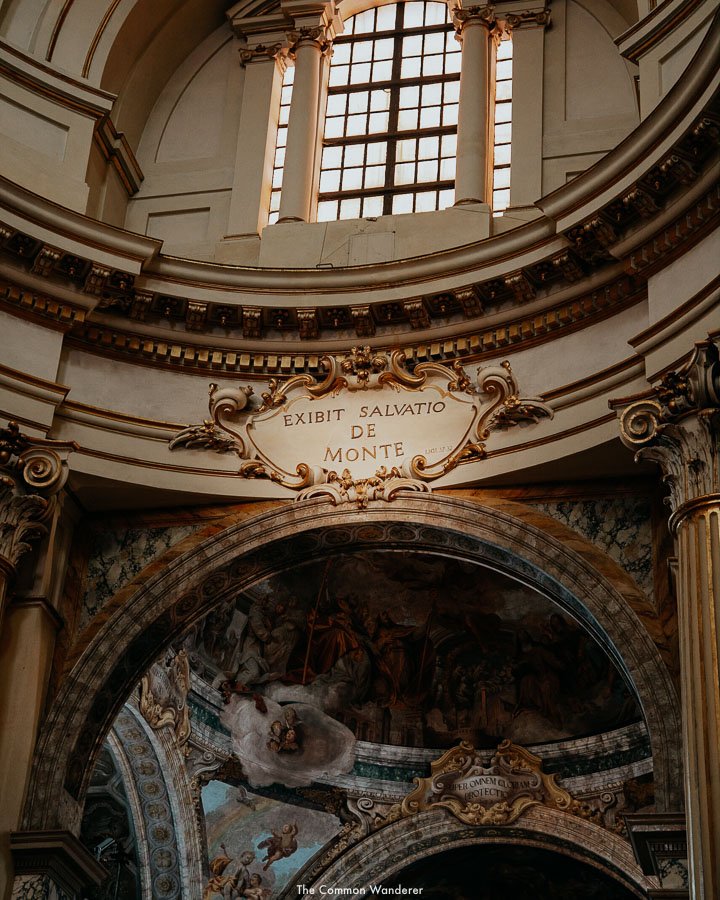
The hour-long walk ends at the Sanctuary of the Madonna di San Luca itself, home to the icon of the Virgin the whole route is built. The current basilica was completed in 1723, though a chapel has stood on this site for over a thousand years. Go inside for the frescoes and artwork from Creti, Reni, Pestrini, Mazza and Bigari, which are worth the climb on their own.
Fog rolled in before our descent and stole most of the view, but on a clear day, San Luca is one of the best panoramas in Bologna. Worth the hike regardless.
If you'd rather skip the stairs, the San Luca Express runs from Piazza Maggiore roughly every 45 minutes, comes with an audio guide and a local food tasting, and is worth booking ahead in summer when it fills up fast.
THE DETAILS
Where | Sanctuary of the Madonna di San Luca, Via di San Luca 36, Bologna
Cost | San Luca Express: €13 full price, €6 reduced (ages 6–10, disabled visitors and one companion), €3 under 5. Walking is free
Timetable | The express runs roughly every 45 minutes; tickets can also be booked in advance here
Opening hours | Basilica hours vary seasonally - check Bologna Welcome before you go
BOOK | San Luca Express
#11 CLIMB TORRE DELL’OROLOGIO
With the Asinelli closed, this is the view to chase instead.
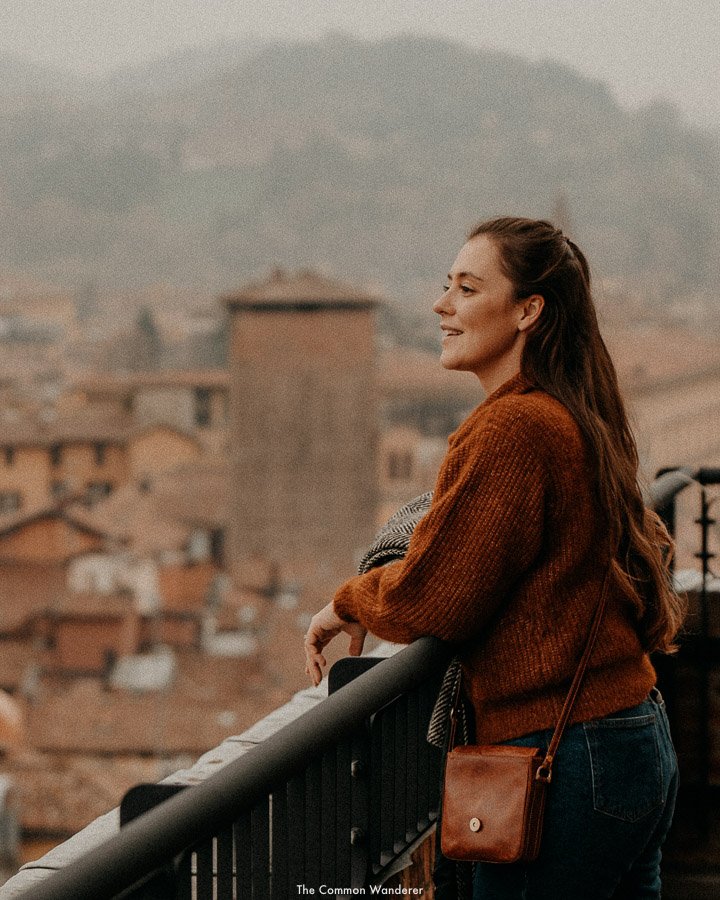
Torre dell'Orologio has stood on the corner of Piazza Maggiore since 1250, originally built as a tower house by the jurist Accursio di Bagnolo before the city bought it and mandated it become a clock tower in 1444. It's been marking time for Bologna ever since, and in the last few years, it's opened up as one of the city's best and most overlooked viewpoints.
We visited on a misty autumn afternoon, walking to the stop to enjoy the incredible views. Two viewing platforms take in the whole of Piazza Maggiore, the towers and rooftops stretching east across the old city, and on a clear day, the hills beyond.
Your ticket also covers the Municipal Art Collections inside Palazzo d'Accursio, paintings, textiles and porcelain from the Middle Ages to today, plus a look at the original mechanism still driving the clock's hands, which is one of the more interesting bits of engineering we've seen on display anywhere in the city.
Go as late in the day as you can for the best light and the thinnest crowds.
THE DETAILS
Where | Piazza Maggiore, Bologna
Cost | €10 full price, €7 reduced (ages 4–11, over 65, students, guided groups of 6+); free with the Bologna Welcome Card
Booking | Compulsory, timed entry every 20 minutes — book ahead, arrive 5 minutes early, or you'll be turned away with no refund
Tower opening hours | Daily, 10 am–6:20 pm (Jan–May) / 10 am–8:20 pm (June–early Sept); closed 25 December
Municipal Art Collections hours | Tue & Thu 2 pm–7 pm, Wed & Fri 10 am–7 pm, Sat/Sun/holidays 10 am–6:30 pm; closed Mondays (except public holidays)
Note | No lift, and the summit terrace isn't accessible to children under 8, even accompanied
#12 THE SEVEN CHURCHES OF SANTO STEFANO
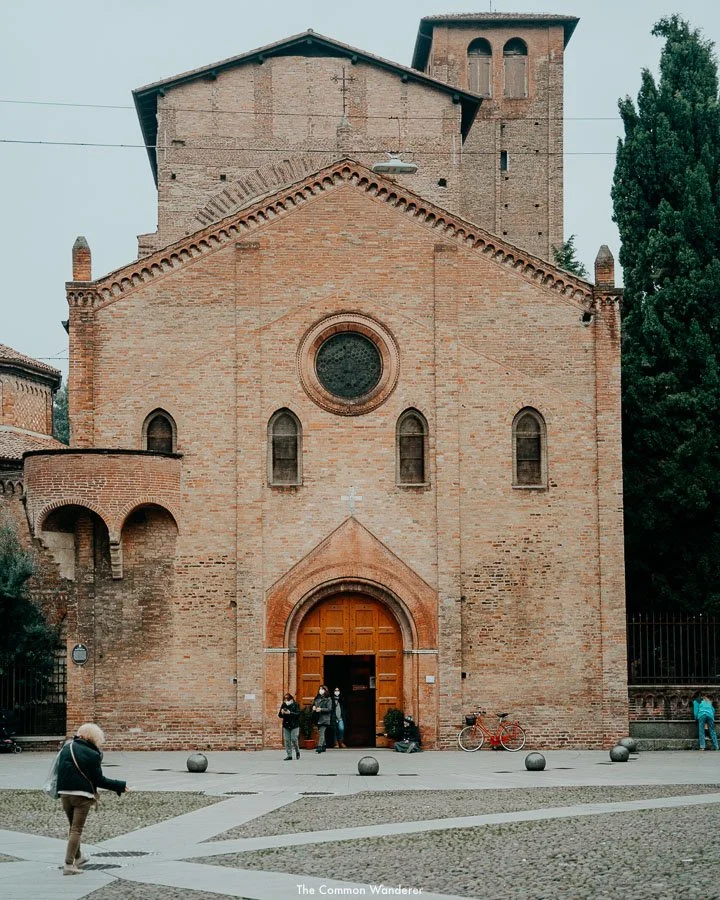
Santo Stefano isn't one church, it's a complex of them - seven historically, although only four survive today, layered together around a Romanesque courtyard that's stood in this very position since at least the 10th century.
Plain brick, an unassuming façade, nothing like the drama of San Petronio or the scale of the towers, we'd have walked straight past it if we hadn't known to look.
Inside, the complex was built over centuries as a deliberate echo of Jerusalem's holy sites, which is why nothing quite lines up, and you move from the Church of the Crucifix through to the Courtyard of Pilate, and into a Benedictine cloister built between the 10th and 13th centuries.
There's a small museum of paintings and sculpture too, and the remains of Bologna's patron saints, Vitale and Agricola, rest in the third church.
It's free to visit, and on one of the most beautiful squares in the city, one that you’ll no doubt stroll through many times on your explorations.
We had gelato by day, and came back for a spritz at nearby Ruggine at night, plus enjoyed the finest lasagne we’ve ever tried at Ristorante Da Cesarina.
If you're around on the second weekend of the month (except July and August), the square also hosts a proper antiques market - walking sticks, old postcards, vinyl, lace, the full sweep of Bolognese bric-a-brac.
THE DETAILS
Where | Piazza Santo Stefano, a five-minute walk from Piazza Maggiore
Cost | Free (donations welcome); small fee for the on-site museum
Opening hours | Tuesday–Friday 9:30 am–12:30 pm and 2:30 pm–7 pm; Monday closed except for evening Mas
Tip | Piazza Santo Stefano hosts an antiques market on the second weekend of the month, except July and August
#13 GO BACK IN TIME AT BOLOGNA UNIVERSITY’S ANATOMICAL ROOM
Bologna has always been a fiercely intellectual, progressive city, so it's fitting that it's also home to the oldest university in the western world, founded in 1088.
There's something genuinely awe-inspiring about walking the halls of a university this old. Centuries of learning and debate feel almost within reach, as though they've soaked into the walls themselves.
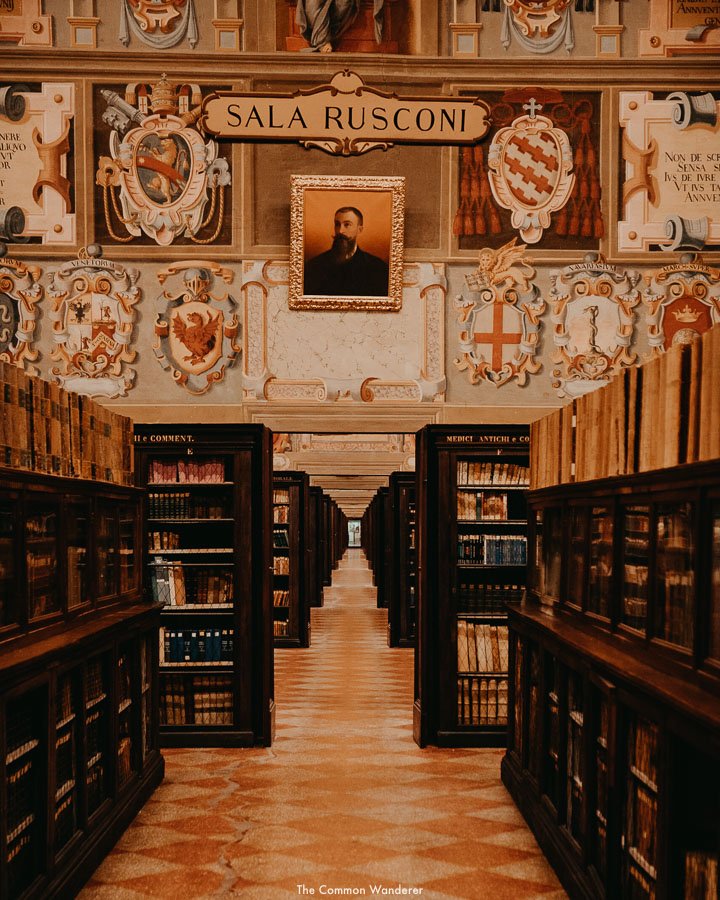
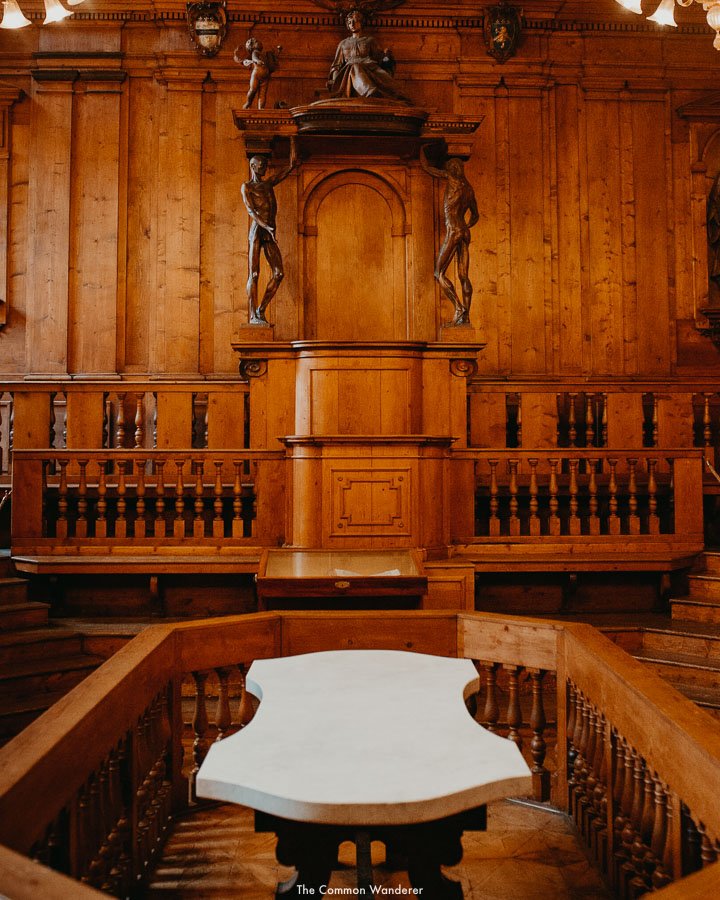
This intrigue is what led us to the Anatomical Theatre of the Archiginnasio, a 17th-century anatomical lecture hall at the old medical school in Bologna. Intricately carved entirely out of spruce wood, with an elaborate teacher’s chair and canopy held by the two famous spellati statues (carved ‘skinless’ men) as well as statues of famous doctors and beautiful ceiling motifs full of astrological symbols, this is probably the most stunning and elegant place we could ever think of cutting open a dead body in!
The theatre alone is worth the visit, but the Archiginnasio's library corridors are worth exploring too. You can't go inside, but you can look through the doors at one of the largest heraldic wall collections in the world, thousands of student and professor crests built up since the 1700s.
If you want the context that makes the room click rather than just looking impressive, this small-group guided tour of the Archiginnasio gets you into rooms not normally open to the public and comes with a guide who actually knows the university's 900-year history - one of the better-reviewed hours you can spend in Bologna.
Note that an online reservation is required, as this isn't a walk-up ticket anymore.
THE DETAILS
Where | Archiginnasio of Bologna, Piazza Galvani 1
Opening hours | Palazzo: Mon–Sat 9 am–7 pm, closed Sundays. Anatomical Theatre specifically: 10 am–6 pm
Cost | €10 full price with audio guide, €8 reduced, €3.50 for Bologna residents; guided tour €12 full / €10 reduced - Online reservation required, as this isn't a walk-up ticket anymore
#14 SAMPLE BOLOGNA’S BEST MARKET HALLS
For us, one of the best ways to understand a city, or a culture, is to visit its local markets. A visit is slow, considered, and always rewards you: good cheese, fresh bread, cheap produce, and some sweet treat you didn't know you needed until you did.
Bologna sits in the Po Valley, Italy's most fertile stretch of farmland, in a city widely considered the country's gastronomic capital. It's no surprise the markets here are some of the best we've ever visited, anywhere.
Most of the best ones sit within easy walking distance of everything else in this guide, which makes them the natural place to stop for lunch, a snack, or the makings of a picnic.
We'd suggest taking a market tour, arriving hungry, and sampling everything on offer. When in Bologna.
Here are our favourite markets in Bologna:
MERCATO DELLE ERBE
Our favourite of Bologna's market halls, Mercato delle Erbe is the largest covered market in the historic centre. Once the San Gervasio barracks, it became an indoor market in 1910 and has stayed the market of choice for Bolognesi of every generation since.
A 2013 renovation added restaurants and wine bars to the traditional stalls without losing the working-market feel - this is a place locals actually shop. The centre of the hall is fresh produce from across the region; the outer walls hold cheese, meat, fish and fresh pasta.
Two adjacent wings house restaurants and wine bars in an easy, open space.
Our picks: Mozzabella for Neapolitan-style pizza, Vini e Sapuri for small plates and wine, Banco 32 for seafood that changes daily, Vineria alle Erbe for local wine, and Formaggeria Barbieri 1968 for the best range of cheese you'll ever lay eyes on.
For a fast lunch, the piadine at Sfarinà are excellent.
MERCATO DI MEZZO
Set in the heart of Quadrilatero, Mercato di Mezzo houses local food and wine under the roof of one of Bologna's medieval market buildings.
It's a smaller cousin to Florence's Mercato Centrale, a range of vendors serving typical Emilia Romagna fare, fresh pasta, pizza, wine and antipasto, all eaten at communal tables.
It leans more toward tourist trade than Mercato delle Erbe does, so we'd point you to the surrounding laneways for a proper lunch or dinner, but for a fast snack between sights, it does the job well.
MERCATO RITROVATO
On the edge of the historic quarter at the Cineteca di Bologna, Mercato Ritrovato is an open-air farmers' market built entirely around one idea: local, seasonal, zero-kilometre produce. That ethos means the growers and artisans here are genuinely the best of the best — you'll find something worth taking home no matter when you visit.
Expect fruit and vegetables, bread, dairy, eggs, meat, cheese and cured meats, wine and craft beer, honey, flowers, fresh pasta, and fish straight from the Adriatic.
There's street food, and a rotating programme of cooking classes, concerts and pop-up events, one of the more low-key, locals-first experiences in the city.
It runs two different schedules across the year, so plan ahead: Saturday mornings, 9 am–2 pm, from September to June; plus an evening session in the warmer months (April to October) that most current sources list as Wednesday, 5:30 pm–9:30 pm
BOOK | This popular Market tour in the heart of Bologna
#15 EXPLORE HIPSTER GHETTO EBRAICO
First things first, Bologna is one of the coolest places we've ever visited.
Due to its liberal, progressive inhabitants and world-class university, the city is brimming with people way cooler than we'll ever be. And the home of Bologna's uber-cool is Ghetto Ebraico.
From 1556, the Papal State forced Bologna's Jewish community into this exact tangle of streets, walled in, gated, watched, and locked in at dusk. They were expelled from the city entirely in 1569, briefly allowed back in 1586, then expelled for good in 1593, when the last 900 residents left and no organised Jewish community was permitted in Bologna again for two centuries, until Napoleon's arrival in 1796.
The atmosphere created by the narrow streets, tiny windows and curious corners makes it a great place to explore. Indeed, we spent many an afternoon meandering around its colourful streets, enjoying the heady mix of boutiques, vintage stores, bars and street art.
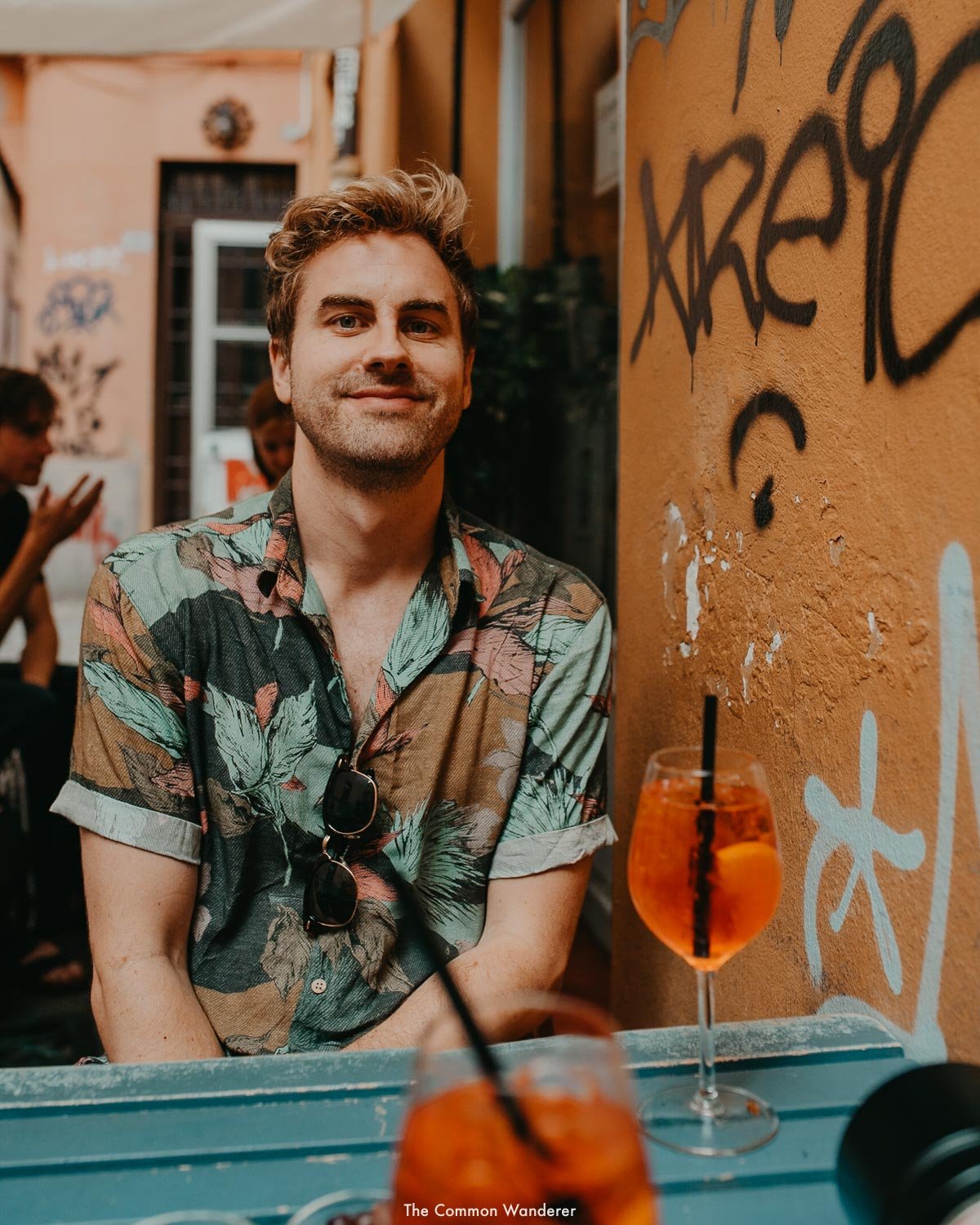
After an afternoon exploring the colourful district, we stumbled upon Camera a Sud, enticed by the hipster-vintage surrounds and the prospect of cheap Aperol Spritz.
And after spending every afternoon there for the next three days, we're happy we did. Not only was the Spritz cheap, but it also ended up being the perfect place to chill out after a long day of walking.
This hidden gem is filled with uni students and Bologna's uber cool, who sip spritz and smoke while no doubt discussing the horrid state of Italian politics. Rain, hail or shine, it's the perfect place to sit, chill and chat.
THE DETAILS
Where | Camera a Sud, Via Valdonica 5, Ghetto Ebraico
Opening hours | Sun–Mon 12 pm–12 am, Tue–Sat 12 pm–1 am
Also worth a look | If the history above interests you, the Jewish Museum of Bologna on Via Valdonica walks the same streets in far more depth
#16 SAMPLE THE EXCEPTIONAL LOCAL WINES
Say "Italian wine" and most people think Tuscany.
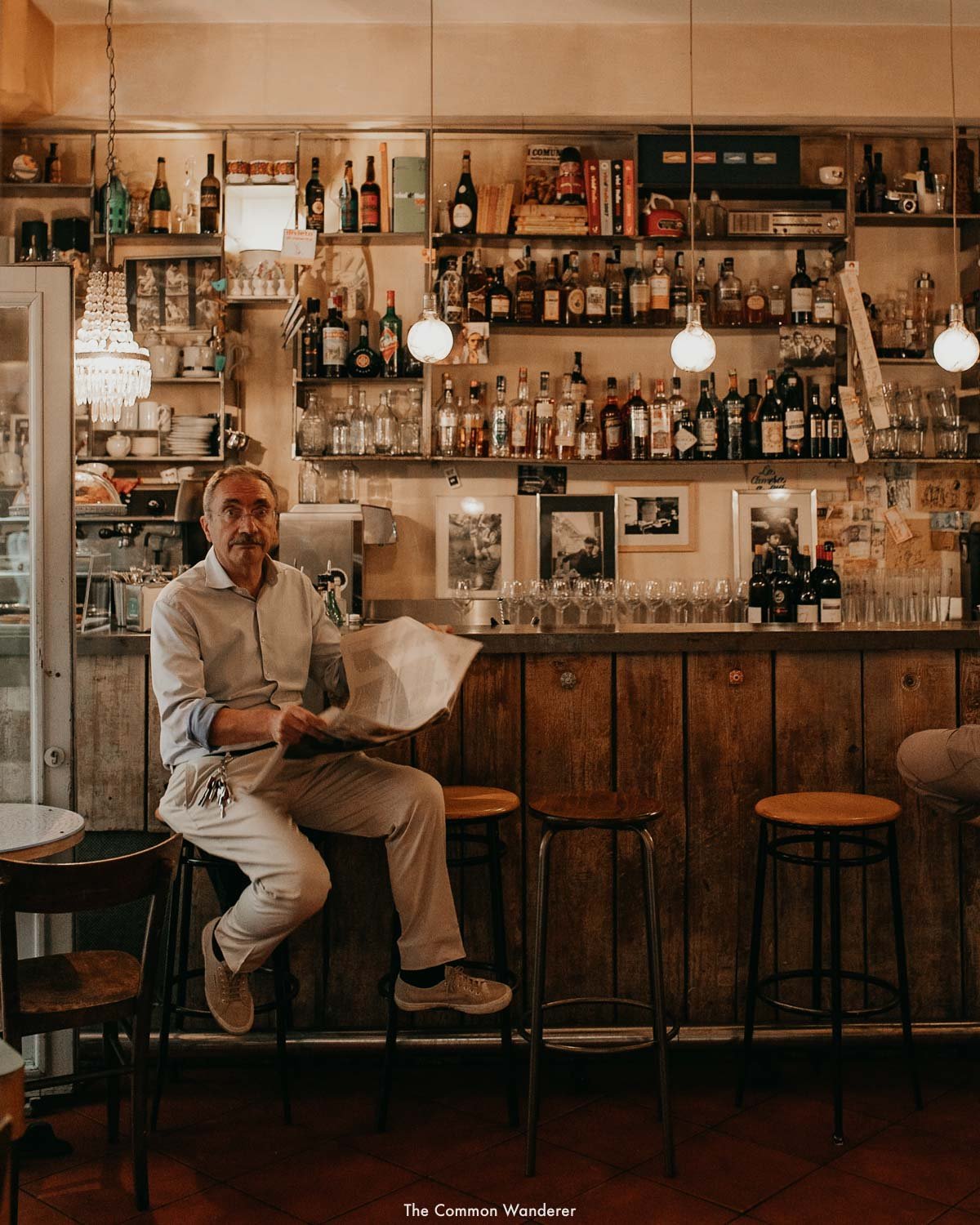
They're missing the better story, which is that Emilia Romagna, Bologna's home region, has been growing wine since the Etruscans arrived around the 7th century BC, and its hills and plains gave the world Lambrusco, Sangiovese, Pignoletto and Albana. Enotecas turn up on nearly every street corner here, which tells you everything about how seriously this region takes it.
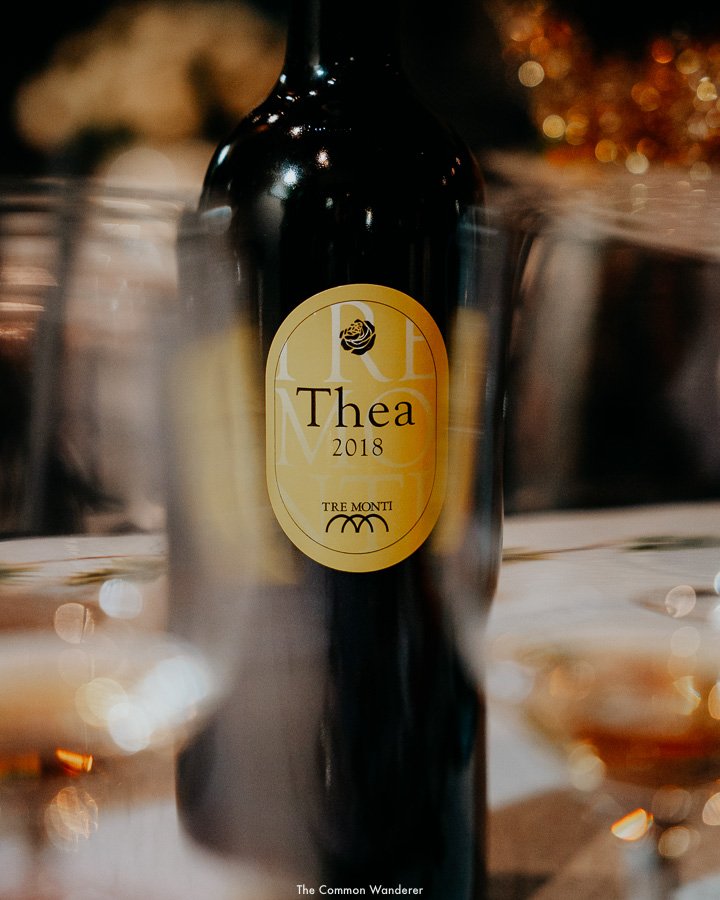
While we would suggest just strolling the ochre-coloured streets until you find an Enoteca that fits your desire (the best of which can be found in the historic centre), we also highly recommend visiting Osteria del Sole (bring your own food, drink all the wine!), Enoteca Italiana, Saràvino, Enoteca Zampa Di Barbieri Dario, L'Emporio, Medulla Vini, and the historic Enoteca Faccioli.
If you'd rather see Bologna's best wine bars through a local's eyes, this wine tasting tour does exactly that.
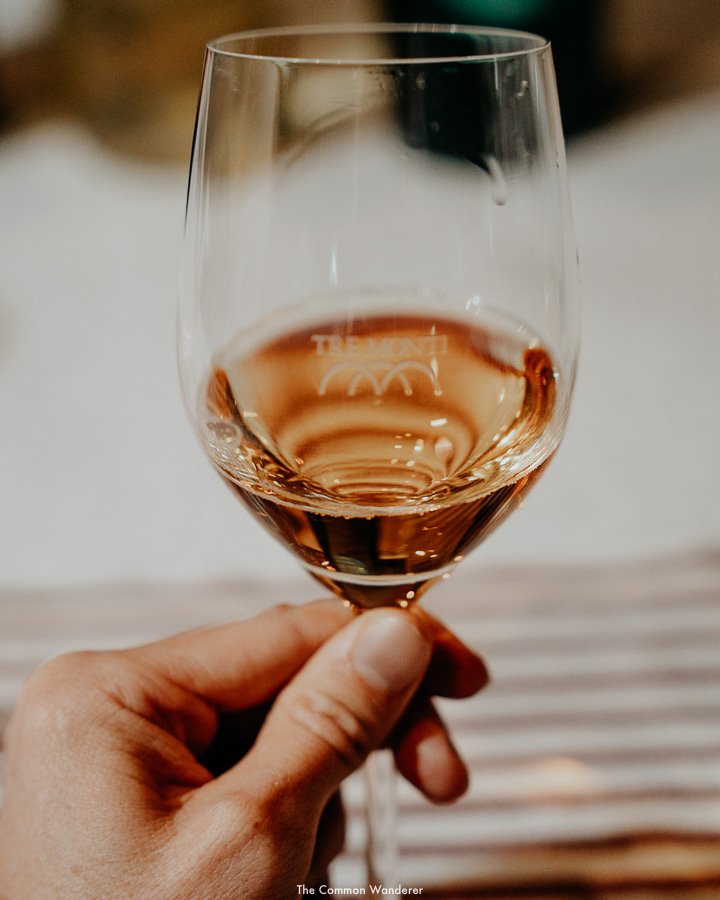
The four wines to try: Lambrusco, a sparkling red that's built for summer afternoons; the silky Sangiovese di Romagna; Romagna Albana, a rich local white; and Passito, a sweet Italian dessert wine made from dried grapes. Expect to pay €4–7 a glass.
Most enotecas serve very good antipasto too, sometimes proper full meals, so a wine crawl doubles as a food crawl without you even trying.
If you'd rather taste it at the source, this full-day wine tasting tour takes you out to the wineries themselves.
THE DETAILS
Where | Enotecas throughout the historic centre; start at Osteria del Sole, Vicolo Ranocchi 1D
Cost | €4–7 per glass
BOOK | Local wine bar tour or full-day winery tour
#17 FIND BOLOGNA’S HIDDEN CANALS
Bologna has a canal network that most visitors never learn exists, built from the 12th century onward to power the city's mills and, later, its silk industry, and almost entirely buried under asphalt by the mid-20th century.
A handful of spots still let you glimpse it.
FINESTRELLA DI VIA PIELLA | The famous "little window," opening onto the Canale delle Moline (an extension of the Canale di Reno) as it runs between brightly coloured buildings — the view that earned this corner the nickname "Little Venice." It's genuinely one of the more charming surprises in the city, and for years it stayed a near-secret because the window is painted the same colour as the wall around it.
VIA CAPO DI LUCCA | A stretch of canal runs uncovered between the buildings here too, and if you look closely, you can still make out a few Renaissance-era millers' houses on the right — a rarer, quieter view than the one everyone photographs at Via Piella.
THE BRIDGE ON VIA MALCONTENTI | The last surviving watering point on the network, once used to wash carts and water animals. Along with Via Oberdan, it's one of the newer viewpoints the city has reopened in recent years.
Worth knowing: Bologna completed the first phase of restoring the Canale delle Moline in 2024, reopening around 1.4km of it - the city's slowly bringing more of this network back into view, so it's worth checking what's newly visible before you go.
THE DETAILS
Map | Here's a detailed map of Bologna's hidden canals

#18 EXPLORE LE SERRE CULTURAL CENTRE
We love a good social enterprise when we see one, and Le Serre Cultural Centre, located on the fringes of Bologna’s historic centre, is one such place. Here, you’ll find an oasis of gardens, food and drinks, concerts, readings and cinema nights in oh-so-hipster Bologna-style.
Formally a set of dilapidated greenhouses on the edge of Bologna’s largest part, Giardini Margherita, the site has been transformed into a living, breathing enterprise, helping to solve one of the main challenges of this generation: climate change and the depletion of natural resources.
Essentially, it’s where industry and innovation meet liberally-minded creativity, and the result is a welcoming space that feels hipster, upmarket, and futuristic at the same time.
On the site is the excellent Vetro Bistrot, featuring some exceptional vegetarian food, and probably the best outdoor garden and bar we’ve come across in Europe (think Berlin hipster mixed with Italian aesthetics).
Here, music and events are held throughout the summer (The programme is called Le Serre d'Estate), as well as modern art projects focused on regeneration and sustainability.
There are also greenhouse spaces and cultivated gardens where produce is sold to businesses and the public. These spaces are also functional, pull up a chair, sit in the sun and enjoy a gin and tonic surrounded by bees.
There’s also an aquaponics system on site, which showcases how food can be cultivated sustainably using freshwater fish in a closed loop - it’s kind of ingenious and something we feel like is the future of small-scale farming. Alongside is the vast tabled area with free wi-fi, where people of all backgrounds come to sit, work, or simply catch up on news.
Honestly, we couldn’t get enough of Le Serre, and highly recommend a visit here during the long summer evenings.
Le Serre d'Estate runs from May to September - 10 am-12 am, the Le Serre site and Vetro Bistrot are open every day (Vetro - 8 am–10:30 pm).
THE DETAILS
Where |Le Serre, Giardini Margherita
Opening hours | Every day
Cost | Free
#19 TAKE A DAY TRIP TO MESMERISING DOZZA
Dozza is different. Surprisingly even. A fact we discovered on our recent late autumn visit.
Located amongst the rolling hills and endless vineyards outside of Bologna, Dozza has a pretty little secret which makes it a 'must-see' for anyone visiting Bologna, Imola and even Florence.
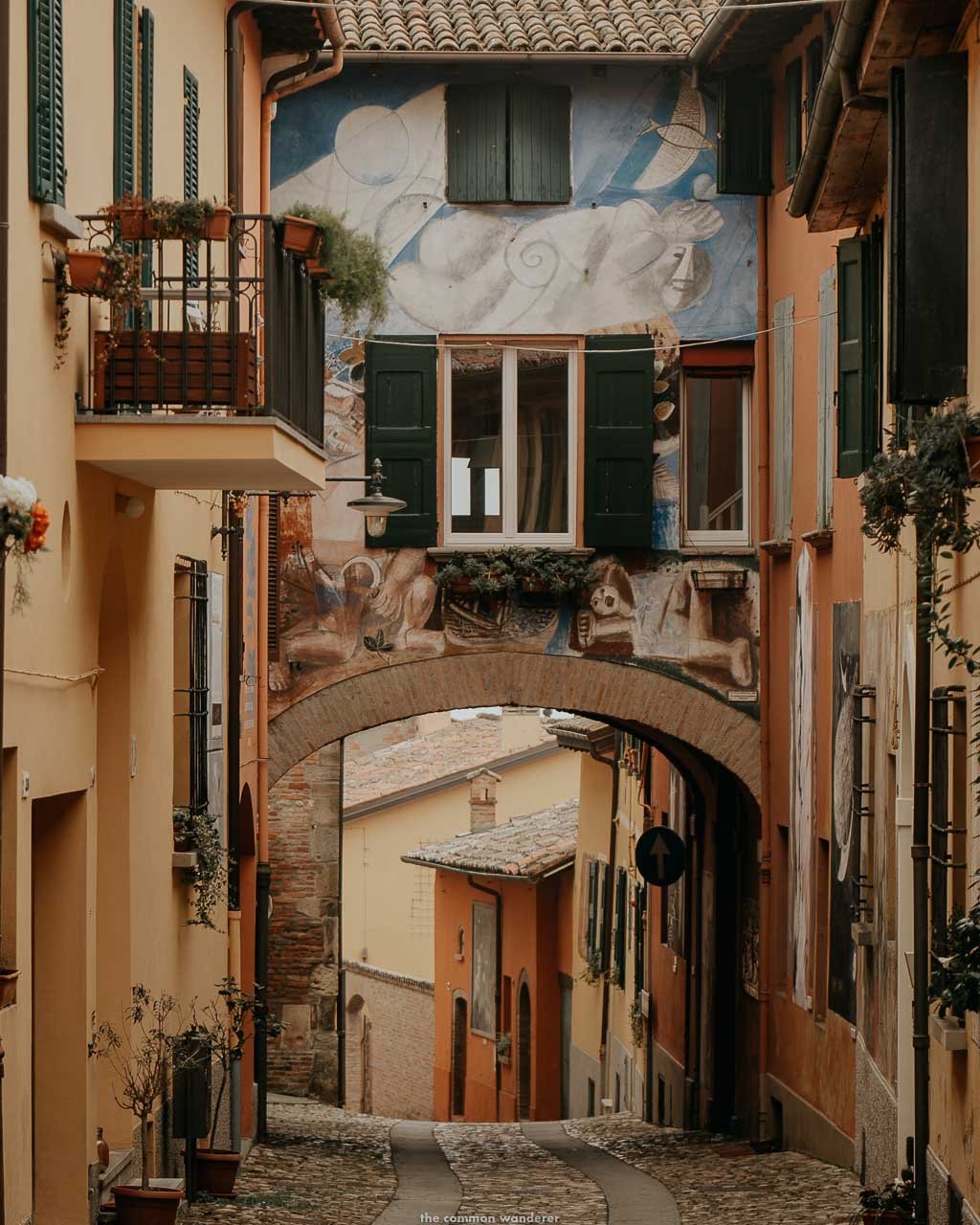
You see, Dozza is home to the Biennale del Muro Dipinto (Biennial of the Painted Wall), a festival of contemporary art that uses the ancient facades of Dozza as the canvas. Houses, arches, churches, porticoes, streets and squares are home to over 100 contemporary art pieces. It's, for this reason, been named one the 'most beautiful towns in Italy'.
The result is a mesmerising open-air art gallery that will leave you in awe.
Of course, it wouldn't be a typical Italian village without its fair share of other attractions, including:
Biennale del Muro Dipinto (Biennial of the Painted Wall) murals throughout the town
Rocca Sforzesca di Dozza medieval fortress
The Enoteca Regionale dell Emilia Romagna, one of Emilia Romagna’s best enotecas
The Dozza wine path, a 6.5km hike taking in the best local vineyards and wineries
But really, it's the murals that shine colourfully in Dozza, and should be reason enough to visit this hidden gem.
Unless you have a car, Dozza isn't the easiest town to visit. Public transport can take over 1.5 hours and includes multiple stops - however, it is possible, as highlighted in our Dozza guide here - but trust us, it’s worth it!
THE DETAILS
Where | Dozza is located in the Province of Bologna, about 45 minutes from the Emilia Romagna capital
How to get there | We highly recommend renting a car to visit Dozza and combine it with Imola and the surrounding wineries. Search car rentals here
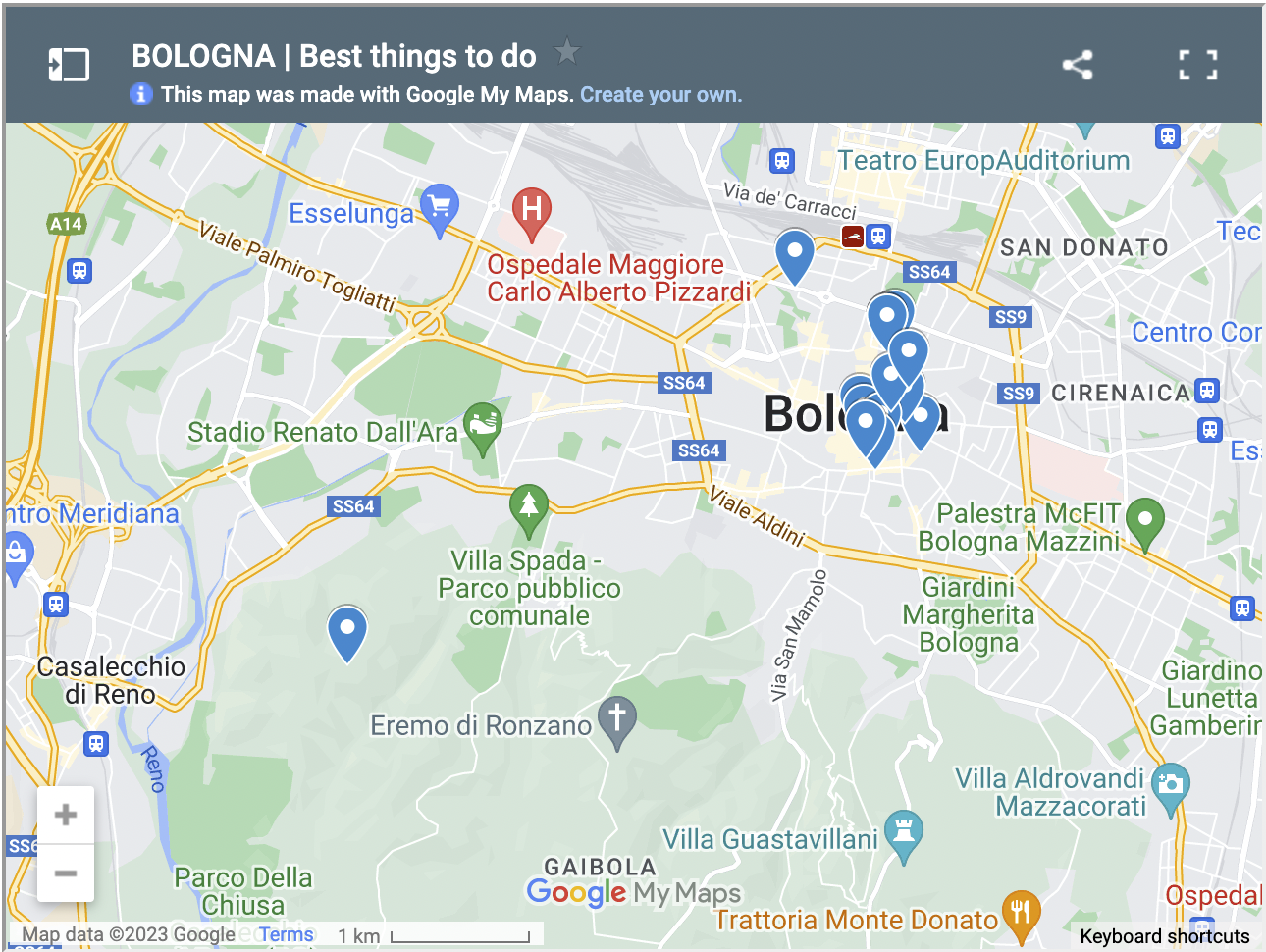
A MAP OF THE BEST THINGS TO DO IN BOLOGNA
Here's our map of what to do in Bologna, including all the major sights outlined in our guide.
BOLOGNA FAQS
OUR BOLOGNA POCKET GUIDE
Our Bologna City Guide is a curated travel guide, designed to be downloaded to your phone and used as your trusty companion when exploring the city.
In this comprehensive guide, you'll find our personal recommendations on the best things to see, eat and drink, places to stay, and things to know, gathered over many trips to Bologna.
BUY NOW |Bologna City Guide
CASH OR CARD IN BOLOGNA?
As with most of the world, you can use your card/Apple Pay at almost every single store, restaurant, and bar in Bologna. That being said, we always keep some Euros handy for any smaller transactions, including public transport.
If you need to get cash out, we suggest only doing this at recognised banks. These banks don't charge absurd withdrawal fees or poor exchange rates, designed to thieve from unsuspecting tourists, unlike the ever-popular EuroNet machines you'll see all around the city.
If paying by Eftpos or at a pay terminal, always select to pay in Euros on the machine, as this will save you unnecessary exchange fees.
Quite simply, never, ever use a EuroNet machine in Europe — they're a scam.
HOW MANY DAYS DO YOU NEED IN BOLOGNA?
Two full days cover central Bologna, the porticoes, Piazza Maggiore, Santo Stefano, the Quadrilatero, and the walk to San Luca. We'd give it four or five if you can.
It's the best base in northern Italy, with Modena, Parma, Ravenna, Imola and Ferrara all under an hour away by train.
IS BOLOGNA WORTH VISITING?
Yes, and we'd go further — it's the Italian city we recommend most often. You get UNESCO-listed porticoes, the oldest university in the western world, the best food in the country, and streets that still belong to the people who live on them rather than the people photographing them.
WHAT IS BOLOGNA FAMOUS FOR?
Three nicknames tell you everything. La Rossa for the terracotta rooftops, La Dotta for the university founded in 1088, and La Grassa for the food - tagliatelle al ragù, tortellini, mortadella, and Parmigiano Reggiano all come from here or nearby.
CAN YOU CLIMB THE ASINELLI TOWER IN 2026?
No. The Torre degli Asinelli is closed while the leaning Garisenda next door is stabilised, and no reopening date has been confirmed. Climb the Torre dell'Orologio on Piazza Maggiore instead - it's a fraction of the steps and, with the Asinelli shut, the best view in the city.
WHAT'S THE BEST TIME TO VISIT BOLOGNA?
June and September, without question, are warm without July and August's 32°C-plus heat and real humidity. October is lovely too: harvest season, food festivals, cooler air, though it's also one of Bologna's wetter months, so pack for rain. Winter is quietly brilliant and much quieter still, and the porticoes at least keep you dry while you're out walking.
IS BOLOGNA WALKABLE?
Extremely. The historic centre is compact and almost entirely covered, so you can walk between every sight in this guide in under 20 minutes without sun or rain touching you. You'll only want a bus for San Luca, MAST, and the airport.
IS THE BOLOGNA WELCOME CARD WORTH IT?
Only if you're a museum person. Card Easy is €35, and Card Plus is €55, both valid 15 days from activation, covering the civic museums, a guided walk, and the Clock Tower climb. If your Bologna is porticoes, markets, and long lunches — which is how we'd do it — you won't break even. It's also not a transport pass.
WHAT SHOULD YOU EAT IN BOLOGNA?
Tagliatelle al ragù, tortellini in brodo, tortelloni with butter and sage, mortadella, and gelato. Not spaghetti bolognese, it isn't a Bolognese dish and never has been. Expect €6–10 for a primo, which is one of the great bargains in Italian travel.
BOLOGNA OR FLORENCE?
Florence for Renaissance art, Bologna for everything else. Bologna has better everyday food, cheaper hotels, fewer crowds, and a city that still feels lived-in. They're 35 minutes apart by train, so on any trip longer than a few days, you don't have to choose - base yourself in Bologna and day-trip to Florence.
IS BOLOGNA GOOD FOR FAMILIES?
Yes, and it's underrated for it. It's flat, it's walkable, the porticoes mean shade and shelter, and the food is the kind children actually eat. MAST is free and hands-on, Giardini Margherita is a proper park, and the Ducati and Ferrari museums are an easy win with older kids.
IS BOLOGNA EXPENSIVE?
Cheaper than Florence, Venice, or Rome for food and drink. A primo runs €6–10 and a spritz around €6, but hotels are pricier than you'd expect, particularly when BolognaFiere has a trade fair on. Check the fair calendar before booking. There's also a per-night tourist tax charged by accommodation.
TRAVEL INSURANCE | STAY SAFE IN ITALY
Honest take: if something goes wrong, a medical emergency, a missed ferry, a scooter accident on a coastal road, travel insurance is the difference between a stressful story and a catastrophic one.
After 10+ years of full-time travel, here's what we use:
WORLD NOMADS | Offers travel insurance for independent travellers and intrepid families. Their policies offer coverage for more than 150 activities as well as emergency medical, lost luggage, trip cancellation and more.
GET A QUOTE | World Nomads
PLANNING A TRIP TO ITALY SOON?
Make the most of your time in Bologna with our essential Emilia Romagna travel guides.
EXPLORE BOLOGNA
MORE EMILIA ROMAGNA
Have you been to Bologna yourself? Help your fellow travellers our by sharing your favourite things to do in Bologna in the comments below!
EXPLORE THE BEST OF ITALY WITH OUR TRAVEL GUIDES


Some of the links on this Things to do in Bologna post are affiliate links.
If you choose to purchase using these links, we receive a small commission at no extra cost to you. Please know that by using these affiliate links, you're directly supporting The Common Wanderer to stay wandering, the running costs of the site, and our ability to provide you with free content to help you on your travels.
That, and you're officially a legend.
Where to eat in Bologna in 2026, featuring the best trattorias, modern kitchens, wine bars, cocktail dens, gelaterias and markets. Written from multiple visits to the city.