
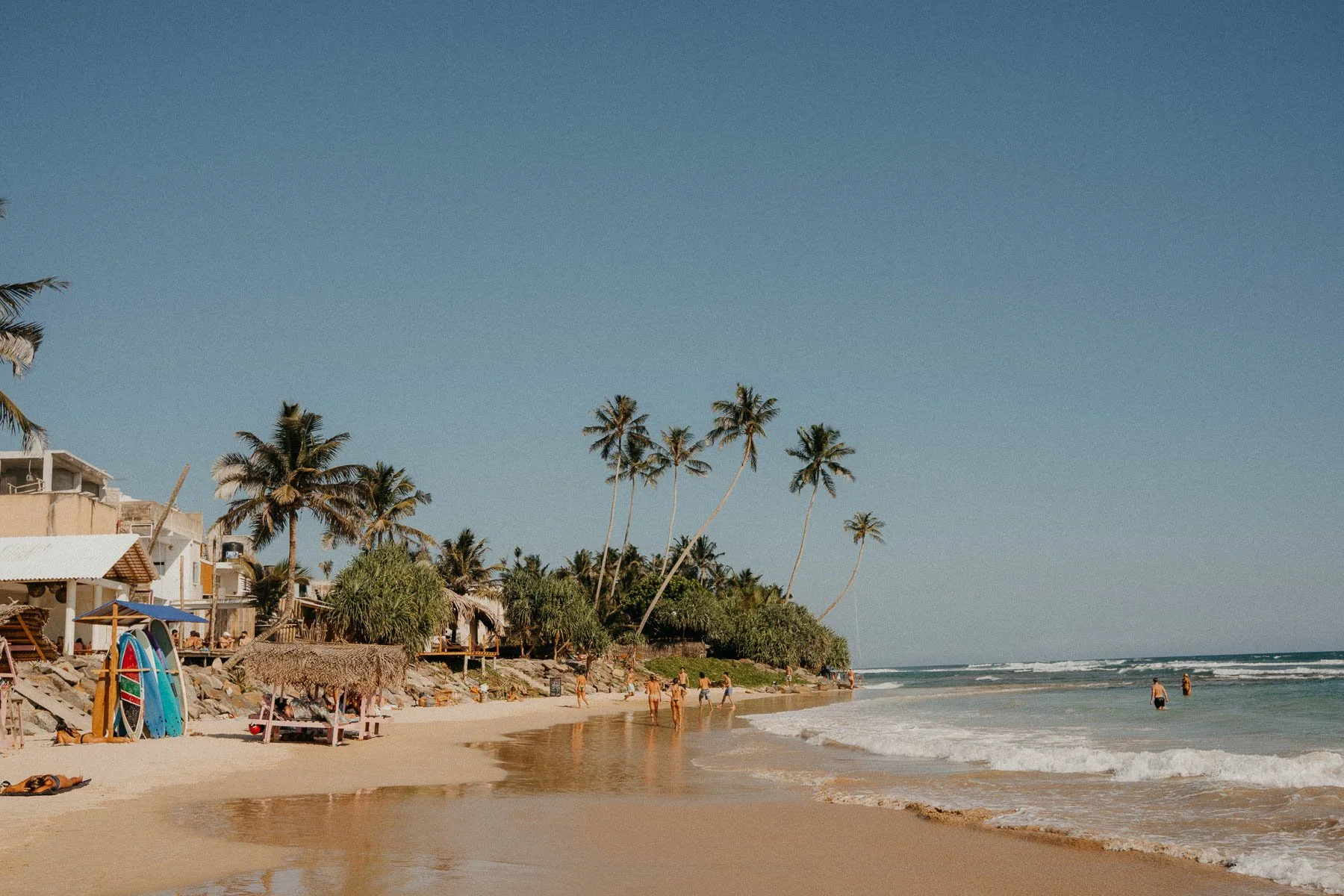
Ahangama has become the south coast town everyone’s talking about, and, for once, the hype is mostly justified. Great surf, excellent food, beautiful stays, and just enough rough edges left to keep it interesting. Here’s what to see and do.
UPDATED SEPTEMBER 2026
The story of Sri Lanka’s southern coastal town of Ahangama is unfurling just as that of many coastal spots often does: hushed whispers of a palm-fringed coastline where the surf is perfect, the living breezy.
A secret paradise where barefoot wanderers and salty surfers, burnouts and those-in-the-know alike put down roots and enjoy a slower, coconut-fuelled existence.
For a time, this was also the tale of Unawatuna, Mirissa, and Hikkaduwa further along the Sri Lankan south coast, but as the tourists started flocking and the bamboo scaffolding and sounds of development roared to life, the surfers moved on to find their next barefoot nomad hangout.
Ahangama is where they’ve landed.
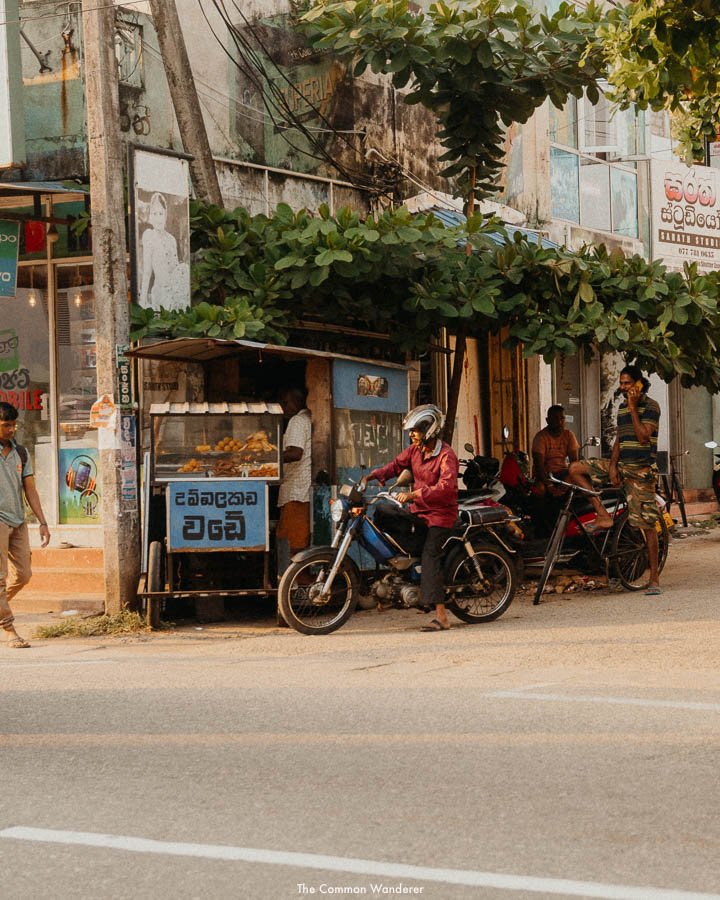
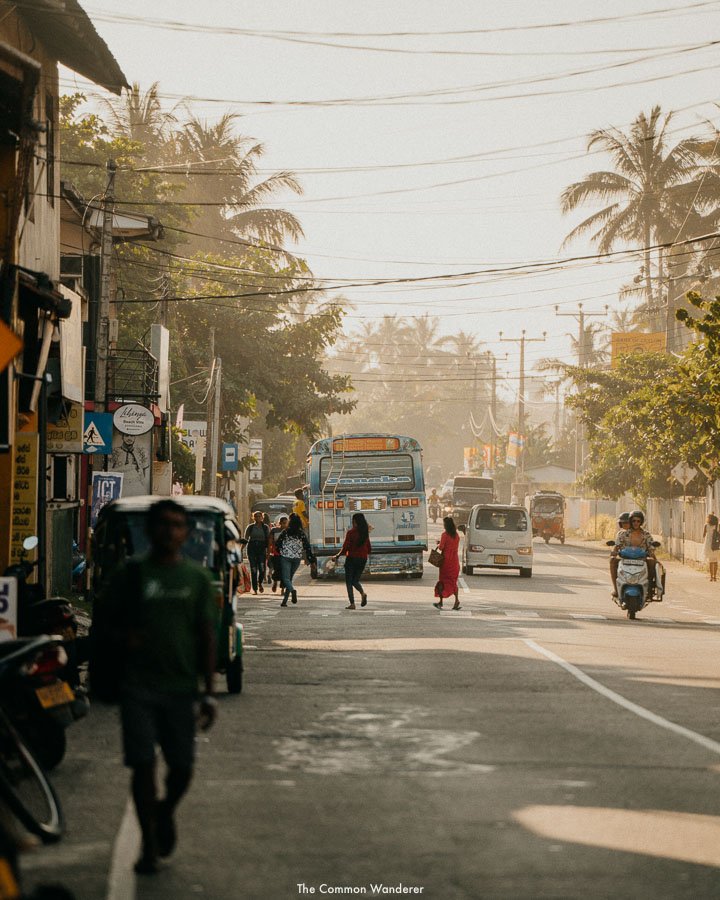
In many ways, it’s surprising that this little slip of coastline along Sri Lanka’s cacophonous Matara highway hasn’t breezed onto the radar of travellers outside the surfing community earlier. Wedged between the ever-popular beach hubs of Unawatuna and Weligama, with easy access from the capital of Colombo and a main drag buzzing with a steady stream of tuk-tuks, roaring buses and noisy daily life, it’s neither sleepy nor tucked away down an adventurous jungle path.
The delights of Ahangama are, rather, pretty much laid out right in front of you from the second you reach its fringes.
To one side, the rolling Indian Ocean tempts bronzed surfing faithful to pay ritual to it morning and night, its sandy shoreline filling up with a mix of surf schools, laid-back barefoot beach bar terraces and slick eateries transplanted from the capital or shores further afield.
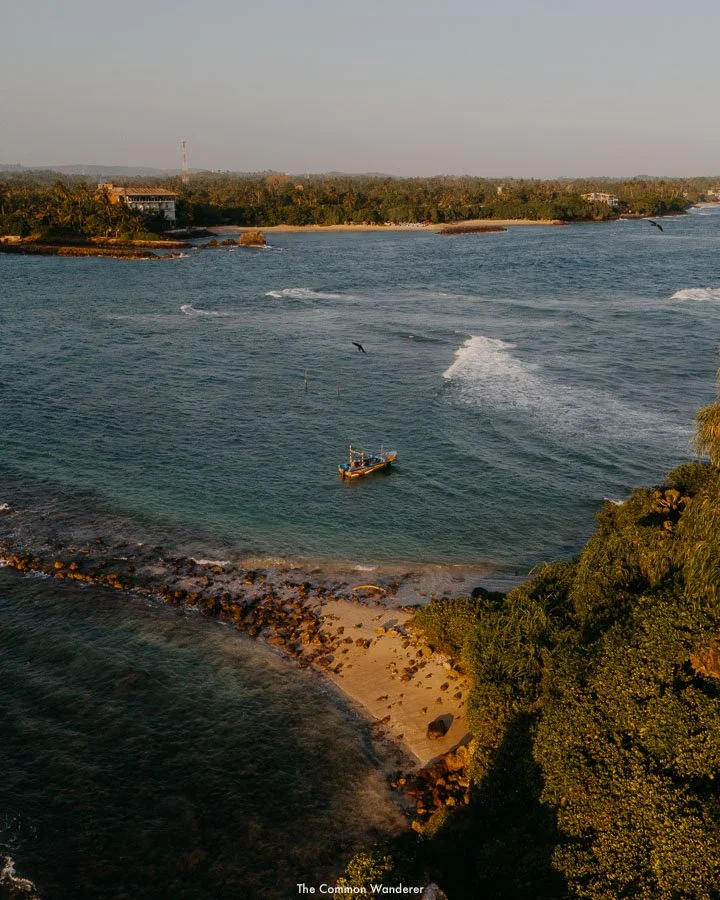
To the other, thick coconut groves flank crumbling colonial-era Art Deco villa fixer-uppers and pot-holey dirt tracks weave between green fields and steaming jungle peppered with colourful homes and the occasional hotel.
While many a travel guide would have you believe this is still a sleepy surf and fishing town, we’d disagree - partly. From its quiet, rural beginnings, Ahangama has well and truly emerged as one of Sri Lanka’s ‘it’ places to be and be seen, and that pace is only set to increase in the next few years as more wanderers are drawn to the coastline in search of its surf and culinary and artistic offerings.
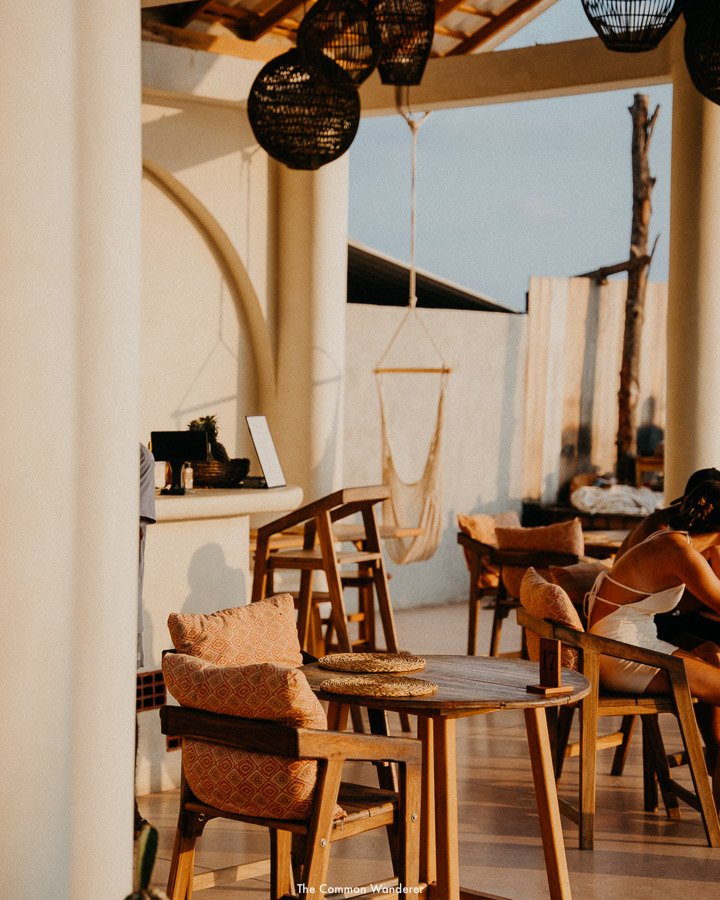
But where we do agree with its sleepy moniker is that, so far, many of the establishments that have popped up have been able to imbue a real sense of sleepy barefoot luxury within their cafes, bars or hotels.
It was a vibe we enjoyed enough to have extended our stay in the area, and one we hope continues as the area keeps developing.
These are our favourite things to do in Ahangama, plus advice on the best places to rest your head, our favourite spots to eat and enjoy a sunset tipple, and tips on transport connections to help you plan your itinerary.
LOVE OUR PHOTOS? Edit like us with our Tropical Dreams Preset Packs, and Tropical Bliss mobile video filters, inspired by the tropical beauty and colour of this beautiful country

AHANGAMA AT A GLANCE
DON'T MISS | Lazy beach days, Surf, or learn to surf, visit Handunugoda Tea Estate, pool days at PALM, sunset cocktails, Kataluwa Purwarama Temple
WHERE TO EAT | Citra, The Kip, Hotel de Uncles, Crust pizza, Abrazo Mexican
BEST SURF | Marshmallows, Kabalana A-frame, Sticks, Ram’s and Coconuts, or Weligama if you’re learning
BEST FOR FAMILIES | The calmer end of Kabalana, a Koggala Lake boat trip, and PALM hotel as a base
WHEN TO GO | November to April, with Feb the perfect time
HOW LONG | 3 - 7 days, longer if you surf
GET AROUND | Tuk-tuk is the cheapest and easiest, Scooter
BOOK YOUR TRIP TO AHANGAMA
WHERE TO STAY | Kurulu Bay (barefoot luxury) · Panta Rei Resort (mid-range) · Maria Bonita (great value) · See our full guide on where to stay in Ahangama
TOURS & EXPERIENCES | Download the GetYourGuide app to book south-coast experiences - with 5% off your first app booking through our creator offer
GET TO AHANGAMA | Take the coastal train from Colombo for the experience, and use 12Go to compare trains, buses and private transfers
GET CONNECTED | Set up an Airalo eSIM before you fly and have data ready to go when you arrive in Sri Lanka
TRAVEL INSURANCE | Get a quote from World Nomads, with cover available for 150+ activities
SPEND SMARTER IN SRI LANKA | Get a Wise card to pay in Sri Lankan rupees and skip fees
IS AHANGAMA WORTH VISITING?
Yes, we absolutely think so, especially if you like good surf, good food, design-led stays and places with a slightly bohemian edge.
Ahangama has changed quickly, and parts of it now feel a little like Canggu or other gentrified surf towns, with concept stores, polished cafés and boutique hotels lining the coast and inland.
But it still feels unmistakably Sri Lankan too: the chaotic Matara Road cuts straight through town, tuk-tuks and buses thundering past, and plenty of local shops, bakeries and family-run businesses still sit alongside the newer arrivals.
It suits surfers, couples, families, digital nomads and anyone happy to spend a week moving between beaches, cafés and small restaurants; less so if you want one compact, walkable town or a classic swimming beach on your doorstep (for this, Hiriketiya may be a better alternative).
WHAT TO SEE AND DO IN AHANGAMA
EMBRACE LONG, LAZY BEACH DAYS
Ahangama doesn’t tend to be the first coastline that springs to mind when Sri Lanka’s best beaches are being mulled over. Those accolades are usually saved for Hiriketiya, Tangalle, Mirissa, Hikkaduwa, or Unawatuna, though we promise you that that’s all about to change.
Once the sleepy, salty secret of the southern coastline, Ahangama’s local beaches have exploded in popularity in recent years, becoming cool not just for surfers in the know, but for everything a beach-lover could want; coconuts, sun beds, beautiful beaches, and plenty of vibe.
Kabalana is our pick of the bunch, a wide expanse of sand that, at times, looks like it could be dropped straight from the Maldives. Its golden sands and sun-kissed shores are gorgeous, flanked by towering palms and non-descript beach bars offering delicious kottu and tasty juices.
There is a heap of cheap sunbeds to lay your head on after a refreshing dip, and a few surf schools for those keen to learn (it’s probably the best place to learn to surf in Ahangama). We found it the best option for young families too - lots of room to run around and gentle waves at the shoreline.
Ahangama Beach (the main beach in the heart of town) is small - no more than 200m long and not very wide - but it is home to all the best beachside bars and cafes, which makes it an appealing stretch of sand. A reef protects the shore from the large Indian Ocean waves, making it the ideal place to relax the day away. It does, however, get very busy, so stick to the western corner for the best stretch of sand.
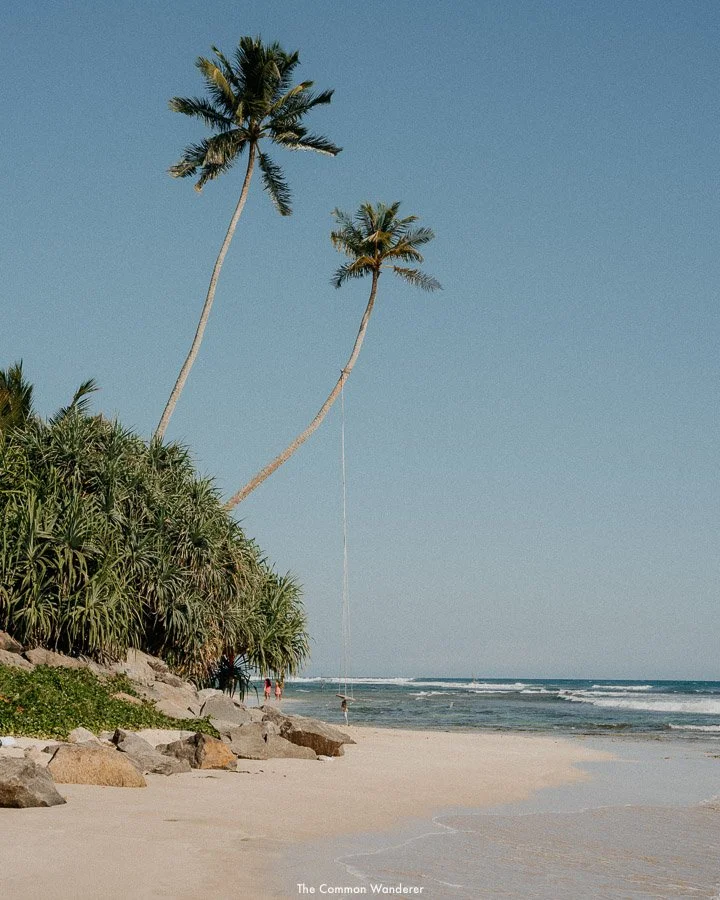
Finally, it wouldn’t be Sri Lanka without mention of a Secret Beach. Ahangama’s secret beach is pretty well kept, a delightful and often deserted cove flanked by palms on the way to Midigama. More chilled than rolling barrels, the beach is protected by boulders which makes it ideal for families.


SURF AHANGAMA’S FAMOUS BREAKS, OR LEARN TO SURF
EXPERIENCED SURFERS
If you’re coming to Ahangama to surf, you probably already know of the best breaks. However, below is a little breakdown of the best surf spots in town and surrounds:
INSIGHT/MARSHMALLOWS | A reef break with mellow waves allowing for smooth, long rides. Suitable for intermediate and advanced surfers who know their stuff, as well as beginners who are looking to push themselves (with a guide). The most popular break in town.
STICKS | Another reef break for intermediate and advanced surfers. Hard to get out to due to the rocks, but the fast rides with multiple peaks make it worth it. Just watch out for the shallow reef.
THE ROCK | A reef break at Kabalana Beach that serves up consistent waves. Nab a famous A-frame and you’ll be in surfing heaven.
GAS STATION | Another reef break famous for both left and right-hand waves. Easy to get in and out via the close by beach, which makes it popular. Another for the advanced surfers
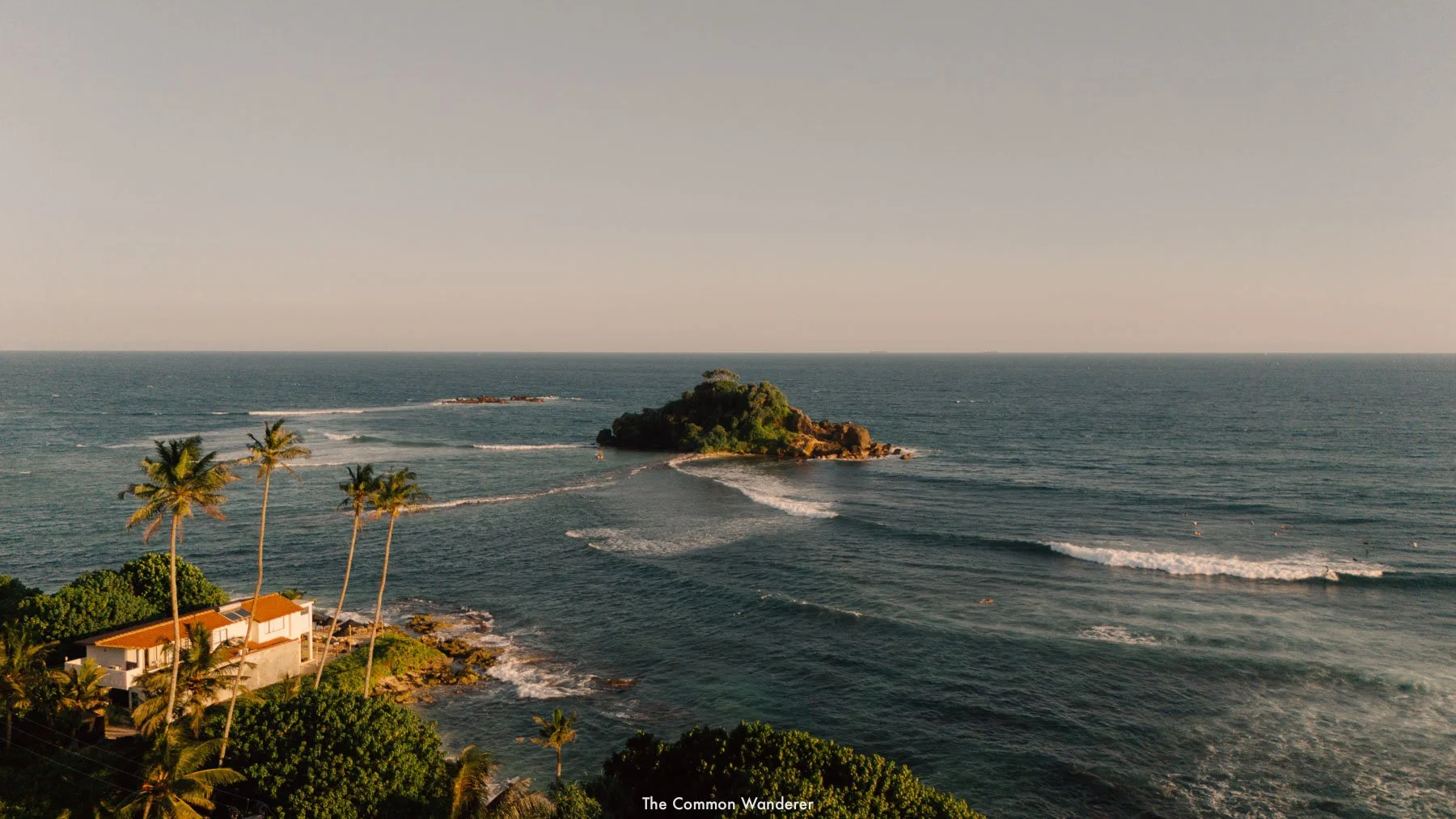
Beyond Ahangama, some of the best breaks nearby include Lazy Left, Lazy Right, Plantations, Coconuts, and Ram's in Midigama, and Weligama Beach, Fishermen's, and The Island in Weligama.
FIRST-TIMER SURF SPOTS
For beginner surfers, Kabalana Beach is a great place to learn, with warm waters, cheap boards and easy waves the perfect combination to catch that first wave. There are several small surf schools set up along the beach.
Alternatively, probably the best place to learn to surf in Sri Lanka is in nearby Weligama (10 mins). Built for surfers, there are hundreds of surf schools located right on the beach - just turn up, speak to a tout and you’ll be learning your way around a board just a few minutes later.
A 1 - 1.5 hour lesson will teach you the basics of surfing including how to stand up, paddling for a wave, surfing etiquette, and safety. This is where we learned to surf, and somehow, we both managed to stand within our first five waves, and the thrill was incredible.
The downside of learning to surf is of course, other learners. It can become super busy, especially during high season, so we suggest arriving early (at sunrise) to have the waves all to yourself.
Like many of Sri Lanka’s popular beachside towns, Ahangama’s reputation initially grew as a surfing hotspot, with some of the best breaks on the southern coast luring surfers since the 60’s.
Lately, it’s gone to a whole new level, with local surf schools and houses providing a place to eat, sleep and breathe surfing.
In short, surfing is still the thing Ahangama does best.
Unlike nearby, Weligama, where most of the action happens across the huge bay, Ahangama has a number of different breaks spread along several kilometres of coast, ranging from beach breaks, deep reefs, shallow reefs, lefts, rights and a few waves that become much more serious when the heavy swell arrives.
That variety of breaks is one of the reason it works so well as a surf base. If you’re a beginner, you can learn to surf in whitewater at Kabalana or Weligama, and if you’re more experienced, The Rock, Marshmallows or Sticks, and Midigama breaks are only another ten minutes down the road.
Below is an overview of the breaks for each level of experience:
BEGINNERS
If you’ve never stood on a surfboard before, we still think Weligama is the best place in Sri Lanka to learn.
It’s a huge bay with soft waves, no reef beneath you and enough surf schools that you can turn up and be in the water shortly afterwards. This is where we learnt, and somehow both managed to stand within our first few waves.
But you don’t necessarily need to leave Ahangama, though. Kabalana Beach has a forgiving sand-bottomed inside section used by the surf schools, particularly on smaller days, while Ahangama Beach Break can also work when the swell is right.
Both are useful for getting your pop-up sorted before venturing onto reef.
Just don’t confuse the beginner section at Kabalana with The Rock sitting further out. They share a beach; they absolutely do not share a difficulty level.
IMPROVERS
Once you’re consistently catching waves and want your first taste of reef, Marshmallows, or sometimes called Insight, is the obvious next step.
It breaks over relatively deep reef and produces slow, forgiving lefts and rights, with enough time on the face to start working on turns rather than simply surviving the take-off. It’s particularly good on a longboard or mid-length.
The downside is that everyone knows this, and as a result, it’s busy.
Gas Station is another option when conditions suit, with workable lefts and rights over the reef. It’s a little punchier than Marshmallows and a good step towards more technical waves, but watch the tide: parts of the reef become very shallow as the water drops.
INTERMEDIATE SURFERS
This is the Ahangama in-the-know surfers love:
KABALANA A-FRAME / THE ROCK | The most popular wave in Kabalana. A proper reef A-frame sitting offshore, producing both lefts and rights. On a good south-coast swell it’s one of the best waves around, and consequently one of the busiest. Confident intermediates upwards.
STICKS | A reef break between central Ahangama and Kabalana with both left and right sections. It’s faster and shallower than Marshmallows and becomes more serious with size, so we’d put it somewhere between confident intermediate and advanced
DREAMSEA LEFT | A long peeling left in front of Dreamsea, particularly good for longboards and mid-lengths when the swell lines up. The reef is deeper than some of the more intimidating breaks nearby, but because you can practically watch the wave from the bar, it’s hardly a secret anymore
AHANGAMA REEF / BAY | There are several peaks through central Ahangama that come alive depending on swell direction and tide
ADVANCED SURFERS
The better you surf, the bigger the local playground gets.
Rajith’s is one of the more established local reef breaks and can range from manageable to challenging depending on swell and tide. Sticks also steps up considerably once there’s size in the water.
RAM’S | Short, fast, hollow and shallow. This is the serious one, for advanced surfers. Watch it for a while before paddling out
COCONUTS | An A-frame over reef with both left and right options. More forgiving than Ram’s, but still very much a reef wave and better suited to competent surfers
LAZY LEFT & LAZY RIGHT | Despite the names, these aren’t beginner waves. Lazy Right is the softer introduction to Midigama’s reef breaks, while Lazy Left is longer and has a little more bite
None of these are “uncrowded” anymore. But moving away from Kabalana and Marshmallows, particularly with a local who understands swell and tide, gives you a much better chance of finding some space.
WHEN TO SURF AHANGAMA
November to April is the main south-coast surf season, with consistent south and southwest swell and light north-to-northeast offshore winds, particularly early in the morning. December through March is generally the most reliable stretch.
Early morning is usually best, and the morning offshore can leave the reefs glassy, before the sea breeze picks up and starts messing with things later in the day.
From May to October, the southwest monsoon brings stronger onshore winds, rougher seas and less reliable conditions.
There are still surfable windows, but if surfing is the main point of your Sri Lanka trip, this is when we’d head to Arugam Bay and the east coast instead.
SURF LESSONS & BOARD HIRE
There are surf schools and board-rental shacks all along Kabalana, central Ahangama and Weligama, with everything from foamies and longboards to proper shortboards available.
Lessons generally include the board, rash vest and around 90 minutes to two hours in the water.
If you’re completely new, book your first lesson at Kabalana Beach or Weligama. If you already surf and want to progress onto the reefs, spend the extra money on a proper coach or local surf guide rather than simply renting a board.
Knowing which break works with which tide and swell is half the game here. Current one-to-one coaching around Kabalana is roughly US$30–35 for a 1.5–2 hour session, though prices vary.
For rentals, check the board properly before leaving, and take a quick photo just in case. If you’re staying for a week, ask about a multi-day rate rather than paying by the session.
And if you’re bringing your own board, check your accommodation has somewhere safe to put it before booking. Surf camps and surf-focused hotels generally have proper racks or board rooms; plenty of design-led villas and small guesthouses don’t.
Several Ahangama surf stays now explicitly advertise secure board storage.
THE DETAILS
Best season | November - April
Best for beginners | Kabalana Beach; Weligama is still our pick for your first-ever lesson
Best for improvers | Marshmallows
Best intermediate wave | Kabalana A-frame / The Rock
Advanced | Ram’s, bigger Sticks and the heavier reef breaks around Midigama
Water | Warm year-round - boardshorts or swimwear are enough
Watch for | Shallow reef, sea urchins, crowds and rapidly changing tides


STILT FISHING IN AHANGAMA
If you've seen one photograph of Sri Lanka before arriving, it's almost certainly this one: a row of men balancing on wooden crosses above the ocean, silhouetted against a burnt-orange sky, rods out over water that looks like hammered copper.
It's on the cover of half the guidebooks, and a photo coveted by photographers around the world, and the stretch of coast where it happens is right near Ahangama, between Koggala and Weligama.
While the picture might look like a historic practice still maintained by a select few, it’s not quite the case - the picture is mostly a performance now, and understanding why will give you a sense of whether you actually need this photo, or not.
Stilt fishing, or ritipanna, is generally traced back to the Second World War, when food shortages were real, and the good fishing spots along the rocks and shore were already taken. Enterprising fishermen began driving poles into the shallow reef and creating access to patches of water nobody else could easily reach.
For decades it worked. Then the 2004 tsunami damaged the coastal ecosystem and catches dropped dramatically, making a living from a few small fish difficult.
One fisherman interviewed by The National remembered catching 30 kilos in two hours; now, he said, ten kilos in a full day during peak season is considered good. Now, there are only around 150 stilt fishermen left in Sri Lanka.
At the same time, the image had become one of the country's great tourism posters, and posing for the photograph began to pay better than actually fishing.
So today, most of what you'll see from the road is staged. Pull over with a camera at one of the well-known spots on the south coast and ‘fishermen’ will wade out, climb poles that may have been standing empty all afternoon, set themselves up, and then ask for payment.
Some genuine fishing still survives around Ahangama, Koggala and Weligama, although it's increasingly difficult to predict, with April being particularly productive from all reports.
So while it might feel a little performative, knowing the context makes it a little easier to understand
A fisherman earning money from a photograph of a tradition that no longer pays enough to live on isn't really the villain in this story, and if tourists want the photograph, the locals have found a way to make money from it.
Our advice has always been that if you want the photograph, take it, although we never have. But agree on a price beforehand, pay the ‘fisherman’ you're photographing, and treat it as what it is: a portrait session rather than a candid scene of everyday life. Around LKR 1,000–2,000 should be enough, although prices vary and sunset tends to cost more.
ENJOY THE BRUNCH SCENE
Ahangama has a lot of, dare we say it, Bali vibes about it. Endless tropical-modernist eateries dot the coast and countryside, making it a bit of a foodie paradise.
During our time there, we found an almost overwhelming number of hipster cafes and brunch spots filled with avo toast, smoothie bowls, and delicious coffee in abundance. These cafes are usually on the pricier side but well worth it.
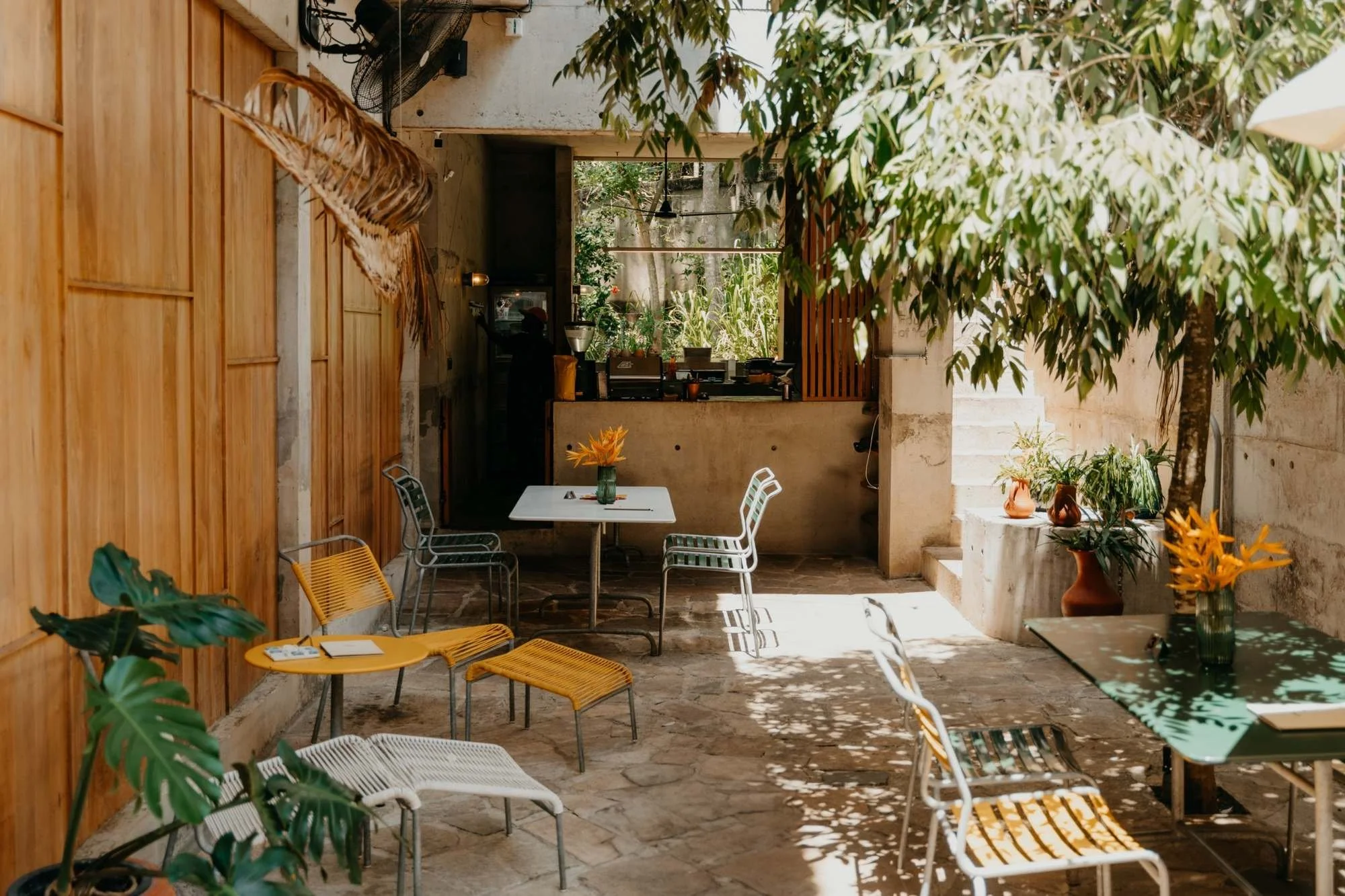
Housed in a delightfully airy garden hangout where staff whisk wooden platters filled with locally sourced vegetarian delights from kitchen to table, The Kip (open 8 am-3 pm daily) is the OG brunch cafe in Ahangama.
Serving an all-day, locally sourced, and earth-friendly brunch, choose from 3, 4 or 5 pieces between breads, spreads, savoury, and sweets, accompanied by coffee, tea or a smoothie. Don’t sleep on the potato hash with leek, nor the smoothie bowl. The coffee is exceptional, maybe the best on the island.
Cactus, overlooking dreamy Ahangama beach, is the popular, often-full brunch hotspot that is the perfect place to start your day. There’s a great selection of savoury and sweet options - we chose the shroom bagel and fluffy chocolate pancakes - both delicious and both recommended.
The iced coffee, while not the best, is still better than most found on the island. Portions are super large (you won’t leave hungry), and prices are a little higher than elsewhere, but for the view, it’s worth it.
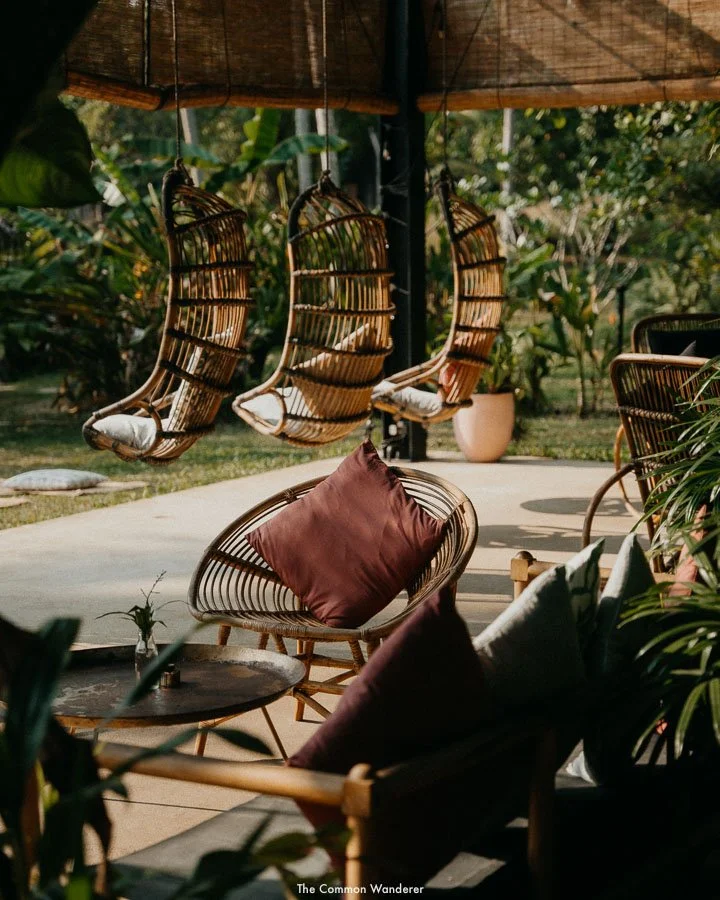
Palm Hotel might be a little away from the chaos of town, but it’s one of the most serene settings to enjoy a long, slow brunch. And they do a damn good brunch at that.
The traditional Sri Lankan breakfast- string hoppers, dhal and coconut sambol- is an absolute favourite of ours (we often prefer Sri Lankan breakfasts over Western), and the coconut milk rice with pomegranate was moreish. The coffee is good, and the iced milo is even better.
EAT YOUR WAY THROUGH AHANGAMA
We'd argue the food is now as good a reason to visit Ahangama as the surf, which is a huge shift that’s occurred over the last few years.
What was once a modest collection of roti shops, local restaurants and beachside cafés has become one of the south coast's most interesting food destinations.
Brunch alone is a reason to visit, and there’s now excellent coffee (when we first visited Sri Lanka we said, and I quote, “there’s nowhere to find a good coffee in this country”), interesting menus and designer cafés that wouldn't look out of place in Canggu or Melbourne.
But what we love about Ahangama is that both worlds still exist, often on the same street. You can eat an enormous plate of rice and curry for a few hundred rupees, then wander down the road for excellent cocktails, fresh seafood and a dinner that needs a reservation.
A word of warning, though: the newer places aren't cheap by Sri Lankan standards, and we'd encourage you to explore the local restaurants as much as possible, because Sri Lankan cuisine is excellent. The food scene also changes quickly, with many businesses closing or relocating during the May – October off-season.
Check what's open before planning your entire trip around a restaurant.
A FEW OF OUR FAVOURITES
THE KIP | Our pick for a long, lazy breakfast in the garden. Excellent coffee, generous breakfast platters and a setting that makes leaving surprisingly difficult.
CITRA | The dinner we'd plan ahead for. Creative cooking, local ingredients, excellent wine and one of the more interesting dining experiences on the south coast.
HOTEL DE UNCLES | Mutton rolls, dhal curry, excellent cocktails and an afternoon happy hour. We've spent some very happy afternoons here.
BALANCE BEACH | Grilled fish from a wooden shack overlooking the ocean. Simple, unpretentious and still one of our favourite meals in Ahangama.
VEDA CAFÉ | For a proper Sri Lankan vegetarian rice-and-curry buffet, with a changing selection of curries and sambols. A welcome alternative to another expensive brunch.
SISTERS AWAY | A wonderful Turkish breakfast served from a little B&B on Welhengoda Road. Homemade bread, cheeses, jams and the sort of breakfast worth clearing your morning for.
→ READ | Our complete guide to where to eat and drink in Ahangama, our favourite cafés, local restaurants, beachfront bars and places worth booking for dinner

BROWSE AHANGAMA'S BOUTIQUES AND MARKETS
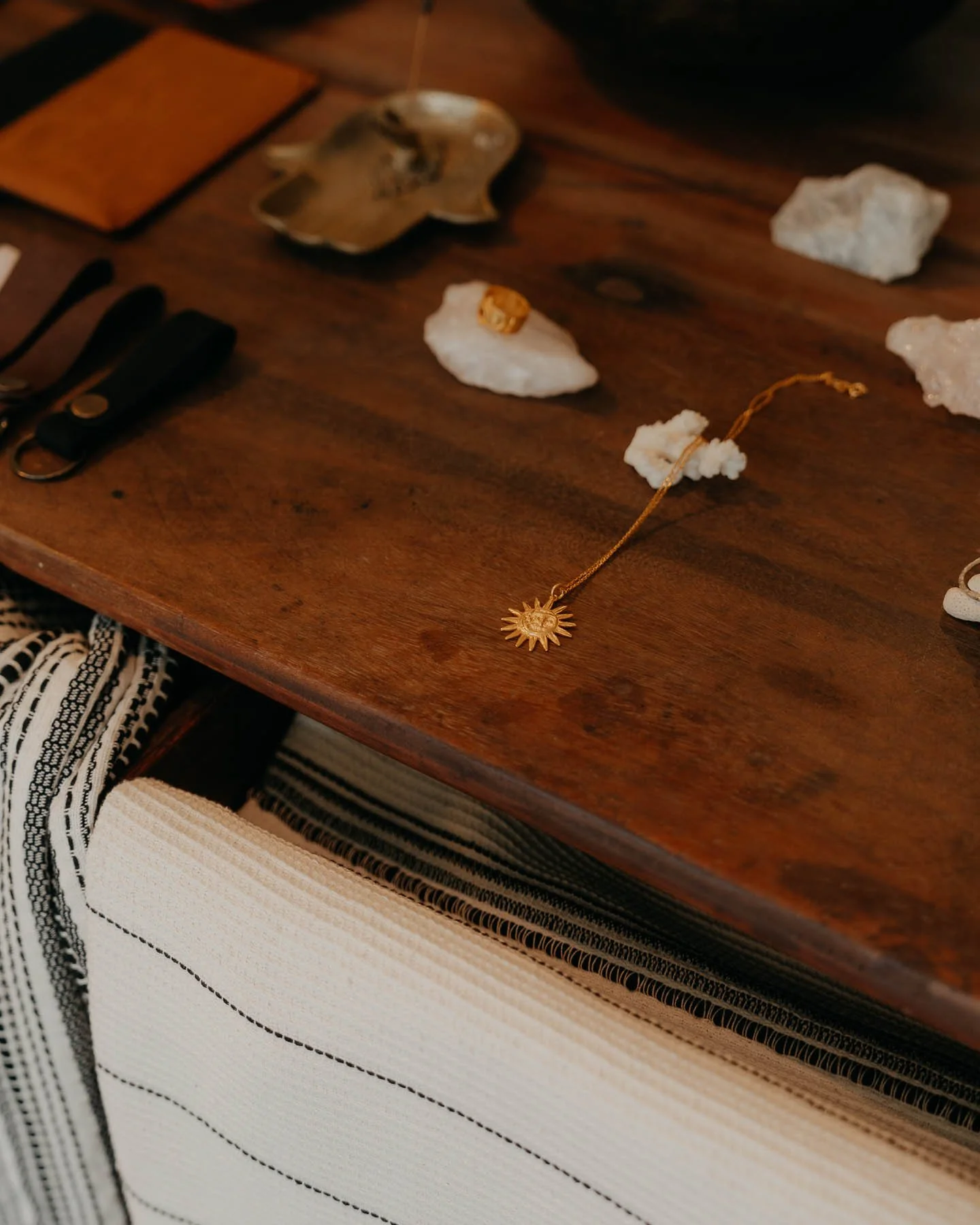
Ahangama has developed a seriously good little shopping scene over the last few years, and beyond the surf shops and inevitable linen clothing stores, there are independent jewellery makers, Sri Lankan fashion labels, curated homewares and a growing number of artists and designers setting up shop along the coast.
It's worth being a little discerning, though. Some of what's sold here is designed and made in Sri Lanka, while other pieces are imported and sold at fairly significant markups.
We'd encourage you to seek out the former, ask where things are made and support the people actually producing them.
MAKE SOMETHING, DON'T JUST BUY IT
OLIVE YU JEWELLERY | One of the more interesting creative spaces in Ahangama, Olive Yu has been making contemporary jewellery here since 2018, with an oceanfront studio where you can watch the jewellers at work or get involved yourself.
Their workshops range from making your own sterling silver ring to traditional sandcasting and lost-wax techniques. Depending on which you choose, you'll either leave with a finished piece or collect it the following day.
A rather lovely alternative to another afternoon on the beach, and something you'll actually want to take home.
THE BOUTIQUES
PRICKLY PEAR | The little boutique associated with Cactus, stocking surfwear, jewellery, journals, gifts and beach essentials. Also a very welcome blast of air-conditioning when you've had enough of Ahangama's midday heat.
THE KIP BOUTIQUE | Hidden up the garden path from The Kip's excellent café, this is where we'd head for homewares. Beautiful ceramics, textiles and small objects, with a collection that mixes Sri Lankan craftsmanship with pieces sourced further afield.
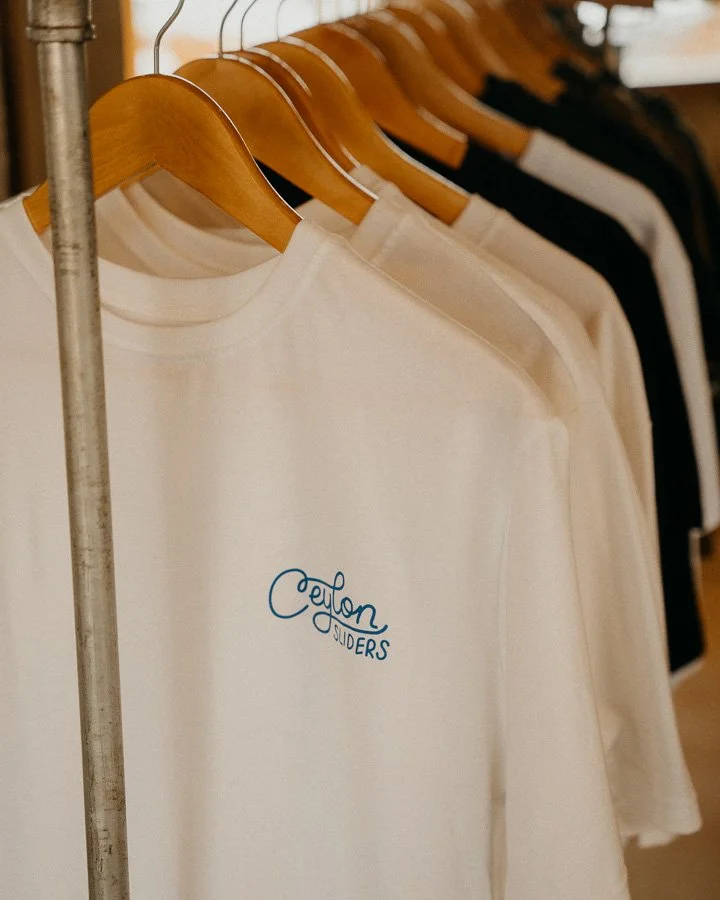
CEYLON SLIDERS | The Ahangama outpost of the Weligama original stocks surf-inspired clothing, surf prints from local photographers, accessories and a selection of lifestyle brands.
MAH ROC CONCEPT STORE | A larger concept store around Kabalana, bringing together designer clothing, upcycled bags, cosmetics and other lifestyle pieces. Worth checking out if you're exploring this end of Ahangama.
STUDIO MUKTI | One of our personal faves, featuring beautifully made linen and cotton clothing, with production handled by a small Sri Lankan workshop near Colombo that provides employment opportunities for local makers.
One of the more interesting labels here if you care about who's making your clothes.
DAYDREAM is another Sri Lankan label worth knowing, particularly for easy cotton and linen clothing, while SECRETS OF THE SUN stocks beachwear, natural beauty products and pieces from independent designers. MINT CEYLON is another stop for clothing and locally made gifts.
MARKETS AND LOCAL FINDS
CAFÉ CEYLON MARKETS | Café Ceylon's garden regularly hosts markets and other events, alongside live music and its usual café and restaurant. Check their events calendar for upcoming dates rather than planning around a fixed market schedule.
MUDRA HERBAL SPICES & TEA SHOP | For something a little more Sri Lankan to take home, Mudra specialises in Ceylon teas and herbal and spice-infused blends. A useful stop if you'd rather fill the remaining space in your suitcase with tea than another linen shirt.
ENJOY MANY SUNSET COCKTAILS
Sunset is the one fixed appointment in an Ahangama day. The light goes gold somewhere around six, the surf starts emptying out, and half the town seems to drift towards a drink.
There are now enough bars along this stretch that you could spend a week doing little else, but the scene splits fairly neatly into two camps: feet in the sand, or a few floors above it.
AT SAND LEVEL
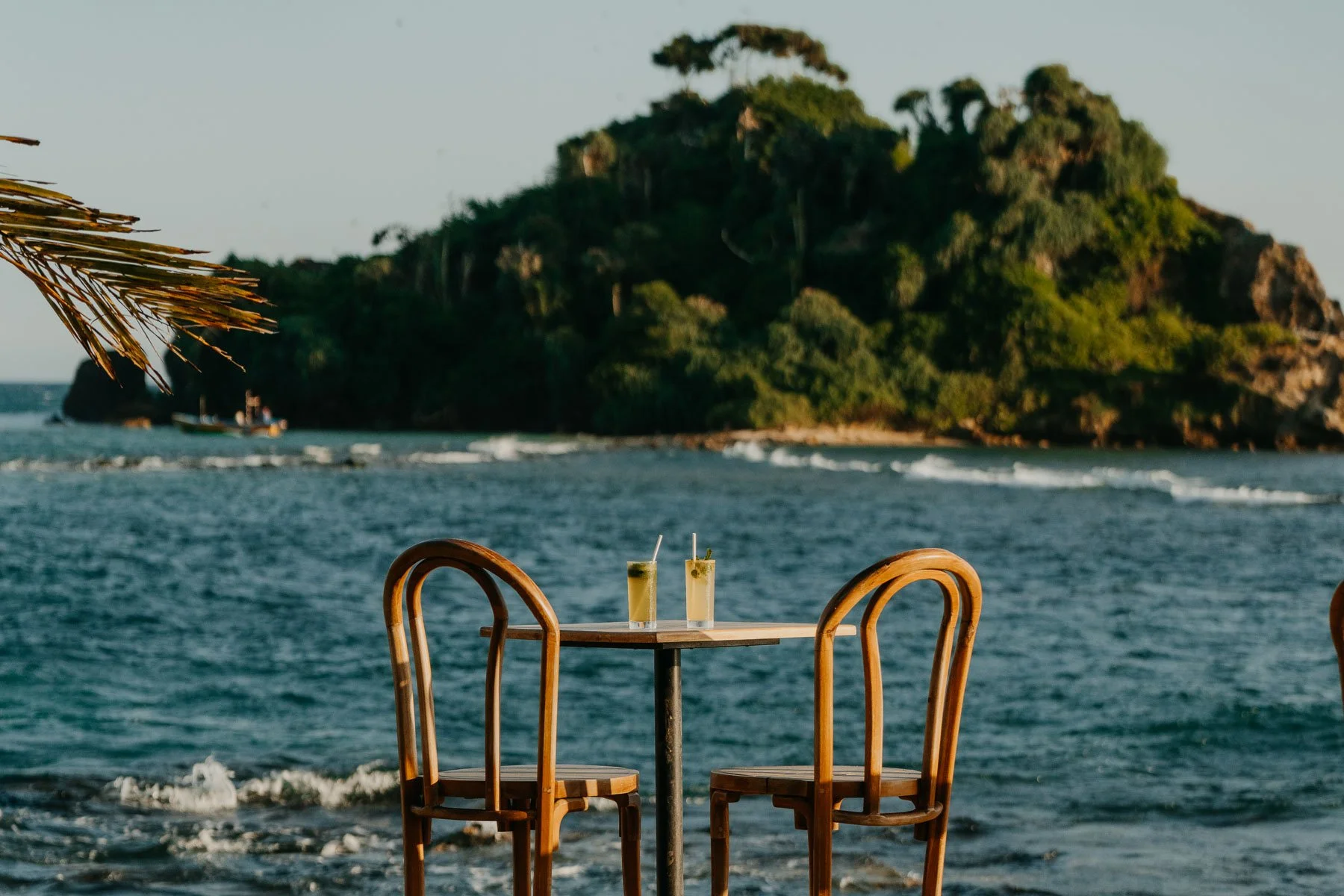
Our favourite is still Hotel de Uncle's, the south-coast offshoot of one of Colombo’s best bars. It calls itself a “roti shop with a secret”, which is spot on: loud music, local ingredients worked into proper cocktails, and a deck looking straight over the water.
We spent an afternoon here listening to disco, drinking pandan-infused cocktails and working through dhal curry and cheese roti, and it remains the bar we’d choose if we only got one. We even had a boogie with our young daughter.
Arrive early, take a stool overlooking the sea, and settle in. Happy hour currently runs from 4–6pm.
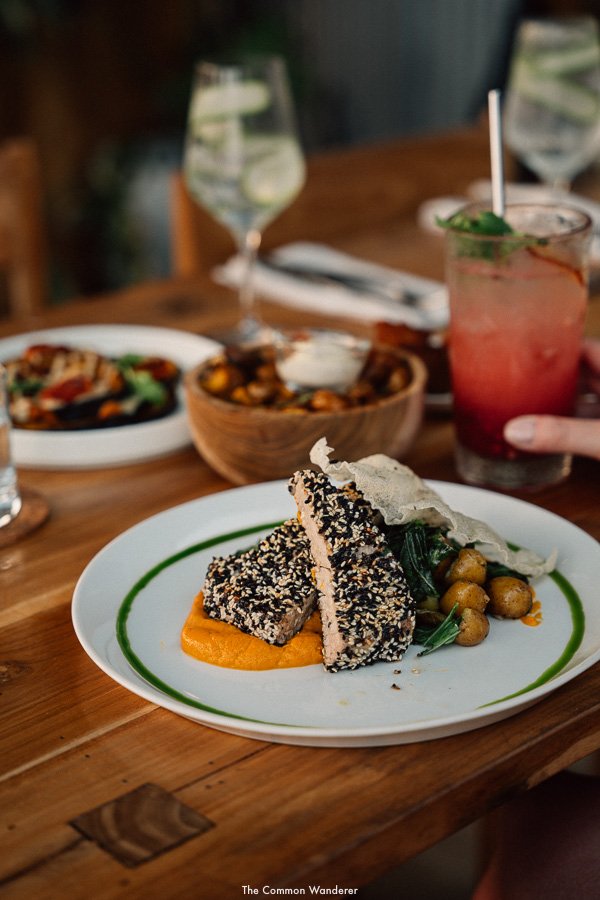
Ceylon Sliders is the more polished version of the same idea (and the sister of the Weligama original), closer to Canggu beach club than scruffy surf bar, with excellent cocktails, very good food and DJs as the afternoon rolls into evening.
The sesame-crusted tuna is still one of the best seafood dishes we’ve eaten on this coast. Tables closest to the beach go quickly around sunset.
Abode by the Beach is where we’d go for a slower evening, which is exactly what we did.
It sits right on the sand, with loungers out front and a seafood-heavy menu with a Peruvian streak - ceviche, tiradito and grilled fish rather than another round of burgers and bowls.
La Belle has quickly become another good sunset option, right on the beachfront in central Ahangama. The bar leans heavily into arrack and local fruit, happy hour runs from 4–6pm, and Fridays bring DJs onto the sand.
It’s lively without needing to become a full night out.
Then there’s Thileni’s, which has one of the better settings around: sand underfoot, bean bags facing the sea and a genuinely lovely place to sit as the day cools down.
We wouldn’t necessarily call it Ahangama’s definitive sunset spot - depending on the season and where you’re sitting, the sun itself can disappear out of view, and service can be slow when it’s busy.
ON A ROOFTOP
The rooftops are the newer part of Ahangama’s drinking scene.
Kai Ahangama is a dependable option - café by day, rooftop bar by evening, and one of those places where you can spend all day working, then get stuck into cocktails when work ends. It currently runs from 8am –10pm.
Teddies is another good-looking newcomer, right opposite the Gas Station surf break, with coffee and breakfast rolling into lunch, cocktails and golden hour on the roof.
Mavi Rooftop is worth an evening too, particularly if you’re staying around central Ahangama, while Lighthouse Ahangama has perhaps the purest rooftop sundowner position of the lot - high above the coast with the ocean spread out in front of the bar.
ALSO WORTH A LOOK
Kurundu is doing some of the more interesting Sri Lankan-leaning cocktails in town, using arrack, king coconut, local citrus and spices rather than another imported cocktail list. Think Smoke & Bitters, but in Ahangama.
And Hakuna Matata is still here doing its laid-back, slightly chaotic thing, as it has been for years.
OUR ADVICE | Don’t try to turn this into a bar crawl. Ahangama stretches for kilometres, and Kabalana to Midigama is a long way once you’re three cocktails deep and negotiating a tuk-tuk home.
Pick a section of coast, choose a couple of places and stay put.
Oh, and don’t expect cheap cocktails - it’s still exxy.
We feature our favourite bars to watch sunset in our guide on where to eat and drink in Ahangama


EXPLORE KOGGALA LAKE
Fifteen minutes east of Ahangama, the coast road bends inland and the sea gives way to Koggala Lake, around seven square kilometres of brackish water, mangroves and forest, with eight islands scattered through it.
It’s the antidote to a flat swell or a grey morning, or for those who actually want to get out and see a bit of the Sri Lankan countryside. And despite sitting alongside one of the busiest stretches of Sri Lanka’s south coast, it feels wonderfully removed from it all.
During our stay at Tri, we took a guided boat trip across the lake and to cinnamon island, and it was an unexpected highlight of our time here.
We found the lake much more interesting once we were on it, with mangroves and thick tropical forest either side of us, watching kingfishers and egrets circling the banks, and crocodiles lurking somewhere underneath it all.
Most boat trips run for around two hours and visit a handful of the islands, but the tour we’d book is the one that includes Cinnamon Island.
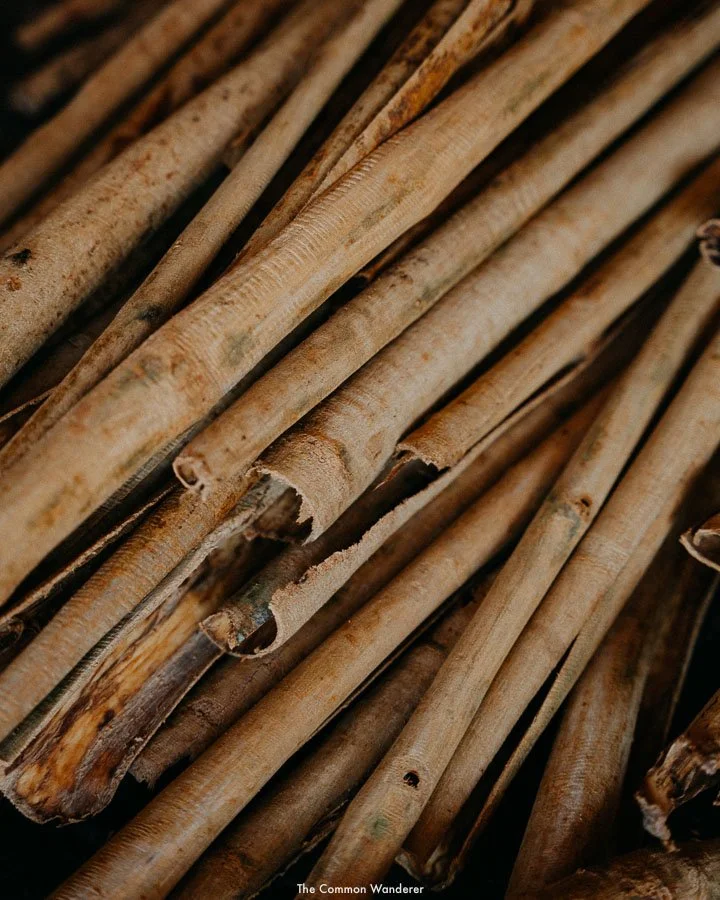
The same family has farmed cinnamon here for generations, and our visit felt far more intimate than we’d expected. They showed us how the bark is stripped by hand, the softer inner layer peeled away and rolled into quills to dry, before sitting us down for cinnamon tea. We’re huge fans of cinnamon, so this was particularly enjoyable.
The other island stops are more variable. There’s a small Buddhist temple, mangrove channels and various wildlife stops, while some tours also include monkey feeding or spice gardens, which we’d avoid if possible, especially the monkey feeding component.
BOOK A KOGGALA LAKE EXPERIENCE
If you’d rather arrange something before you arrive, we’d keep it simple:
PRIVATE SUNRISE CRUISE WITH BREAKFAST | Probably the tour we’d choose. A private 2–2.5 hour trip at first light through the lake and mangroves, with birdlife, local fishermen and a stop at Cinnamon Island for a Sri Lankan breakfast with a local family. Book here.
KOGGALA LAKE KAYAK ADVENTURE | A slower, quieter alternative if you want to explore the lake under your own steam. Kayaking makes particular sense around the mangroves and shallower edges where you can get closer to the landscape without an engine running behind you. Book here.
OUR ADVICE | Go early. Koggala is at its best when the water is calm, the birds are active and the heat hasn’t arrived. More importantly, don’t rush it. The appeal isn’t really ticking off eight islands — it’s being out on the water, somewhere that feels surprisingly wild for a lake sitting just minutes from Ahangama.
SPEND A DAY BY THE POOL AT PALM HOTEL
One of the small problems with Ahangama, and particularly with kids, is that this is a surf coast first and a swimming coast second. When there’s size in the water, plenty of the beaches simply aren’t much fun with small children.
Which is where PALM comes in.
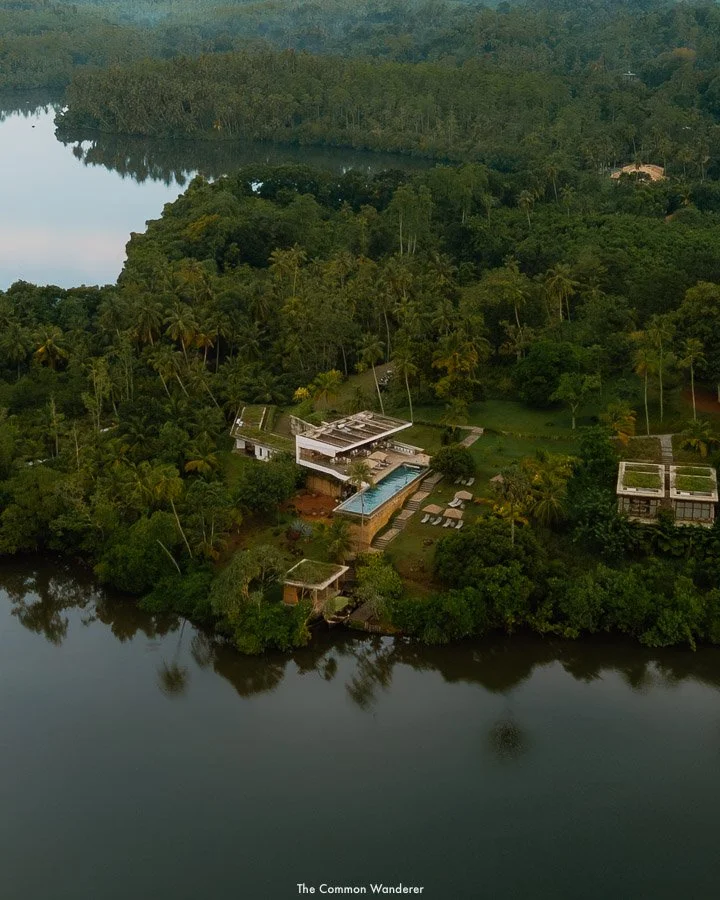
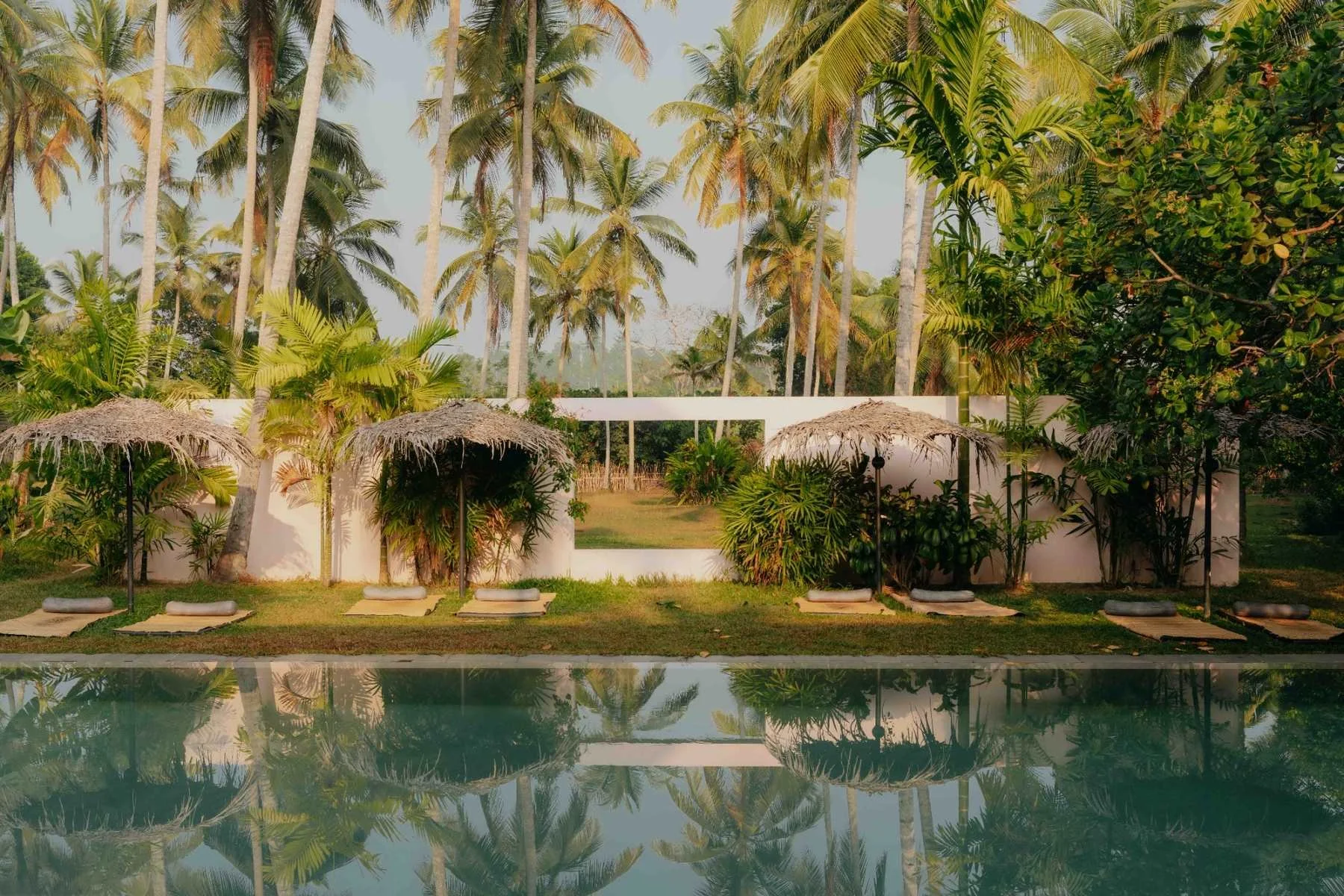
We stayed here for five nights in one of the A-frame cabanas (book it for yourself), and the pool ended up becoming a big part of tour days: long breakfasts, a swim before the heat really arrived, books under the shade, another swim, lunch, repeat. More importantly, the kids were completely content here.
The 14-metre sunken pool sits beside the open-air restaurant and bar, with proper shade around it and enough space that spending most of the day here doesn’t feel like an imposition.
You don’t need to stay overnight either. PALM sells day passes from 9 am–6 pm for LKR 7,000, and the full amount can be spent on food and drinks. In practice, have lunch and a couple of drinks, and you’ve essentially paid for the pool with things you were going to order anyway.
FOR FAMILIES | PALM has become even better since we stayed, and there’s now a proper jungle playground - the PALM Pirate Club - with climbing frames, monkey bars, a zip line and even an old fishing boat for the kids to clamber over.
It sits close enough to the pool and restaurant that the kids can burn themselves out while you remain within sight, preferably with something cold from the bar.
Add the shallow end of the pool, plenty of shade, big gardens and a dedicated kids’ menu, and it’s one of the best places on the south coast for kids.
THE DETAILS
Where | PALM Hotel Ahangama, around 15 minutes inland from Ahangama
Day pass | LKR 7,000, fully redeemable on food and drink
Hours | 9 am–6 pm
Good to know | Pool areas are first-come, first-served; bring your own towel
Review | Read our full review on PALM here


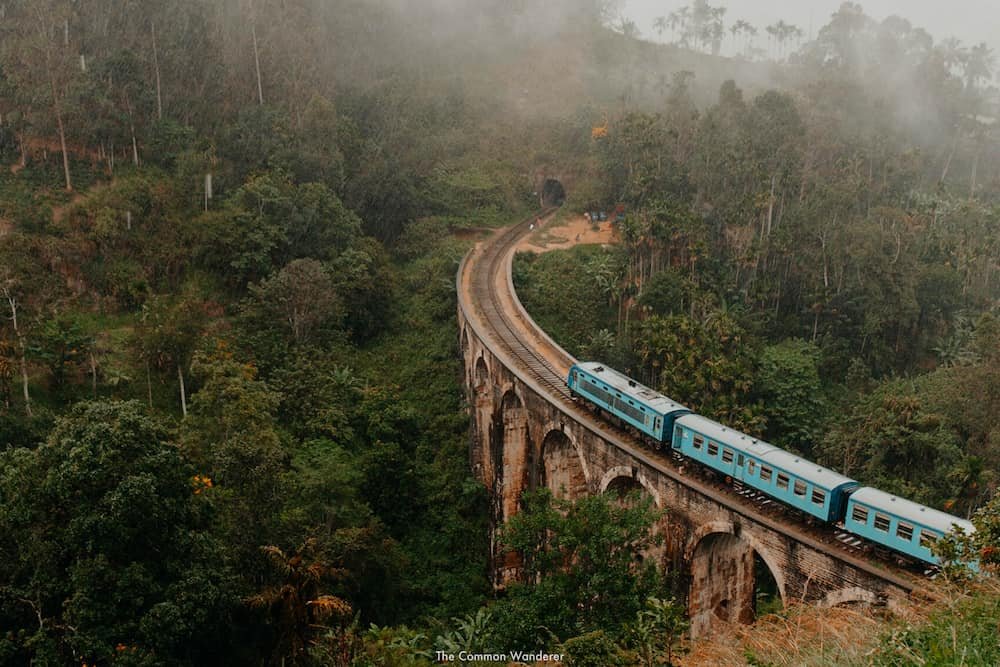
RIDE THE FAMOUS SOUTH COAST TRAIN
A warm sea breeze moves through the carriage, the Indian Ocean lapping what feels like metres from the tracks, and we’ve managed to snag a seat alongside a local family with a still-warm samosa bought off the platform at Maradana.
We sit for hours with our eyes glued to the right, watching the coast unspool station by station, village by village, beach by beach.
It gets a fraction of the attention paid to the Kandy to Ella line, and in our opinion it’s almost as good, partly because the ocean is genuinely right there rather than a view in the middle distance, and partly because the carriages are still mostly full of people going about their lives rather than tourists filming each other hanging out of the doorway.
The old stations along this stretch are some of the most beautiful in the country (Bentota is a thing of beauty), and Ahangama has its own, a few minutes from the main road.
So, much like our Ella guide, where we recommend taking the Kandy to Ella train, we suggest you do the same here, if not to get to Ahangama, then at least for a fun little journey up the coast and back.
OUR ADVICE | Take the train at least once while you’re on the south coast, ideally from Colombo or Galle so you get a decent stretch of ocean-side railway.
For timetables, ticket prices, where to sit, reserved vs unreserved seats and the easiest ways to reach Ahangama from Colombo, the airport and elsewhere on the south coast, see our complete guide to how to get to Ahangama.
THE DETAILS
What | Sri Lanka South Coast train
BOOK | Buy Sri Lanka train tickets
BOOK YOUR AHANGAMA TRIP
STAY | Booking.com - search and compare every hotel, villa and guesthouse in this guide, with free cancellation on most
GET THERE | 12Go helps you book your train tickets, buses and private transfers from Colombo to Galle in minutes, with instant confirmation
TOURS & EXPERIENCES | Download the GetYourGuide app to book tours and experiences in Sri Lanka, and get 5% off your first booking through our link
GET CONNECTED | Pick up an Airalo eSIM before you fly and skip the airport SIM queue and be online the moment you land
TRAVEL INSURANCE | Don't travel without it, so get a quote from World Nomads, covering 150+ activities including everything Sri Lanka throws at you
VISIT HANDUNUGODA TEA PLANTATION
Most of the Ceylon tea you know of comes from the cool highlands around Ella, Nuwara Eliya and Haputale.
Which makes Handunugoda something of an anomaly - a 200-acre working tea, rubber and spice estate sitting barely above sea level, around 15–20 minutes inland from Ahangama.
This reason alone makes it a must-see when in Ahangama, especially for those staying south.
The tea estate was started by Herman Gunaratne, a third-generation tea planter who spent decades managing some of Sri Lanka’s major tea lands before returning to Handunugoda and turning it into a blend of working farm, tea factory and living museum.
Handunugoda is now known for its Virgin White Tea, where unopened buds are cut using gold-coloured scissors by pickers wearing gloves, then dried naturally without the rolling and oxidation used for black tea. Sounds very bougie, but it follows an old Chinese imperial tradition.
The antioxidant content of Virgin White Tea is at measured at 10.11%, and you’ll hear plenty about its supposed health benefits during the tour. We’d take that side of the sales pitch with the usual pinch of salt, but the process itself is fascinating, and the tea is actually very good.
The tour itself is simple, starting with a walk through the plantation learning about tea, cinnamon, rubber, pepper and the other crops grown here, then heading into the factory to follow the process from freshly picked leaf through withering, rolling, drying and sorting.
Towards then end there’s tea and a slice of chocolate cake, before the tour finishes in the tasting room with a slightly overwhelming line-up of teas to work through.
There’s a shop at the end, and we grabbed a bag of Sapphire Oolong tea for back home.
If you’ve already experienced a tea estate the hill country, you probably don’t need to visit. But if your Sri Lanka trip is mostly sticking to the south coast, Handunugoda is a very easy couple of hours away from the surf.
THE DETAILS
Where | Handunugoda Tea Estate, Tittagalla, around 15–20 minutes inland from Ahangama
Cost | Around LKR 650 when last checked, including the tour, tea tasting and cake
Hours | 8am – 4:30pm daily
How to get there | Tuk-tuk from Ahangama; arrange for your driver to wait or organise a return


CYCLE THE SCENIC BACK ROADS
Ahangama is all about the sea, but it’s back roads are arguably prettier, and far more relaxed.
Turn inland from the heaving Matara Highway and within about five minutes the surf shops disappear, and in their place are a gorgeous mix of rice paddies, pockets of forest, cinnamon gardens, small lakes and colourful local villages.
The easiest way to explore the back roads is by bike with Jungle Rides by Aja, who runs relaxed rides around Ahangama.
Aja, and the guides who ride with him, are excellent, and know these roads, villages, farming and wildlife, like the back of their hand. The routes stick largely to small sealed lanes, with very little climbing, so this is more village ride than mountain-bike expedition. The routes are around 8 – 9km and almost completely flat.
But the riding isn’t really the point anyway, it’s everything you see along the way.
Rice fields stretch beside the road, cinnamon grows behind family homes, buffalo stand submerged in muddy paddies, peacocks wander through the fields and kingfishers dart between the trees. And somewhere along the way there’s a stop for a fresh king coconut, which always hits the spot.
So if you’re sick of the sea, or the ocean is flat (or choppy), we feel like this is one of the best local tours… run by Sri Lankans, for the benefit of the community.
THE DETAILS
Where | Jungle Rides by Aja - back roads inland from Ahangama
Time | Around 2 hours
Good for | Mixed abilities and older kids comfortable riding on quiet public roads
Book | Directly with Aja via Instagram
Cost | LKR 5,000
Good to know | Go early, around 7–8am gives you softer light, more birdlife and considerably less heat. Bring sunscreen and water, and message Aja ahead during high season rather than assuming there’ll be a bike waiting


WORKING FROM AHANGAMA | THE CO-WORKING AND LONG-STAY SCENE
At some point in the last five years, Ahangama became the place to set yourself up for a few months (or longer) in Sri Lanka.
The town has reorganised itself around that fact pretty thoroughly, and old colonial villas and guesthouses have been repurposed as villas to rent by the month, co-living houses etc. while cafés fill with laptops by mid-morning, and there’s an entire little economy - scooters, laundry, yoga passes - built around people who aren't leaving anytime soon.
Below are the best places to get work done:
THE CO-WORKING SPACES
FOCUS HUB | Located in the middle of town, there are proper desks, AC, fast wifi, meeting space and backup power, with coffee and food on site. If you’ve arrived with actual work to do rather than three emails and a surf forecast, this is where we’d start
NETS COWORK & COLIVE | Slightly tucked away from Matara Road, with 24/7 coworking, private booths, air-conditioned and outdoor work areas, Starlink and fibre, plus solar backup when the grid gives up. There’s also an eight-room coliving setup, pool and shared kitchen, so this is probably the most complete option if you’re settling in for a few weeks
CAFÉ CEYLON | Around Kabalana rather than central Ahangama, the coworking space is open 24/7, with fibre up to 300 Mbps, private meeting pods, indoor and outdoor desks, generator backup during working hours, and a pool for a cheeky dip
COLIVE AHANGAMA | More of a live-and-work setup, hidden on a quieter road just back from town. There are coworking areas, communal spaces and accommodation in the same place, with reliable power and wifi
KAI AHANGAMA | Not really a coworking space at all, but one of the easiest places to open a laptop over breakfast or coffee without feeling like you’ve occupied someone’s restaurant for four hours. The rooftop is open from 8am–10pm, and plenty of work gets done here between surfs.
If work really matters, Outpost Weligama is still the most developed coworking operation nearby, around fifteen minutes west. There are two air-conditioned work rooms, standing desks, private call booths, fibre internet and a pool.
Current passes are roughly US$11–12 for a day and around US$137 for a month of unlimited coworking.
POWER AND INTERNET
Ahangama is perfectly workable now, but don’t confuse “there’s fibre in town” with “every villa has good internet”.
The better coworking spaces have fibre or Starlink and some form of generator, inverter or solar backup. Smaller guesthouses and villas can still be a lottery, and power cuts do happen. If your livelihood depends on Zoom calls, ask three questions before booking a month: what’s the actual wifi speed, what happens when the power goes out, and is there somewhere you can take a call without sitting on your bed?
Get those right and working from Ahangama is very easy. Get them wrong and the beach becomes considerably less charming at 9pm when you’re tethering a laptop to your phone.
We talk about gentrification and the associated issues below - worth reading, and respecting.
A NOTE ON GENTRIFICATION IN AHANGAMA
Whether you think Ahangama’s transformation is exciting or deeply uncomfortable, there’s little point pretending it isn’t happening.
The surf town we first knew has become one of Sri Lanka’s biggest digital-nomad hubs, and the money that has followed has changed it quickly.
Old shopfronts now sit beside minimalist cafés, villas rent for amounts that would have sounded absurd a few years ago, and foreign-owned restaurants, hotels and studios have become part of the landscape. Commercial rents have risen sharply, and there are legitimate questions locally about who owns these businesses, where the profits go, and how much of the boom actually stays in Sri Lanka.
It isn’t an entirely negative story. Tourism has created plenty of jobs, local operators have built excellent businesses of their own, and skills, investment and ideas have moved both ways. But Ahangama works because it is still a Sri Lankan town, not because it has become a tropical co-working campus.
As Ravi Bandaranaike, owner of the now-closed Trax, argues, newer places are often "built the other way around, starting from the question of what will sell", while the real character of the town still sits with "the local surfers, in Mr Sunil's roti shop, and the old village ladies" rather than somewhere with a Scandinavian colour palette and a natural wine list.
We think he’s 100% right.
There are a number of things you can do, even if you’re settling into the digital nomad life, to behave like a temporary resident rather than someone living inside a tourist bubble.
Eat at the rice-and-curry shop (Mr. Sunil’s roti shop ftw), as well as the new brunch place. Use local tuk-tuks, laundries, grocers and surf schools. Seek out Sri Lankan-owned businesses, and don’t assume “locally staffed” means locally owned.
Don’t haggle over a few hundred rupees with someone earning a fraction of what you do, then spend LKR 2,000 on an iced latte without blinking.
And remember that the roads, beaches and neighbourhoods around you aren’t a resort. People live here year-round.
None of that means avoiding every foreign-owned business or feeling guilty for being here. It just means making sure some of the money, respect and attention you bring to Ahangama reaches the people whose town it was long before anyone arrived with a laptop.
WHAT TO LOOK FOR, IF YOU CARE | The markers aren't especially complicated. Is the business registered and paying tax in Sri Lanka? Are Sri Lankans moving into senior roles, rather than only service ones? Is "locally sourced" an actual relationship with growers and producers, or just something written on the menu? Does the business feel like it belongs here, or could it have been dropped unchanged into Canggu, Tulum or Lisbon?
DAY TRIPS FROM AHANGAMA
SPEND A DAY IN GALLE FORT
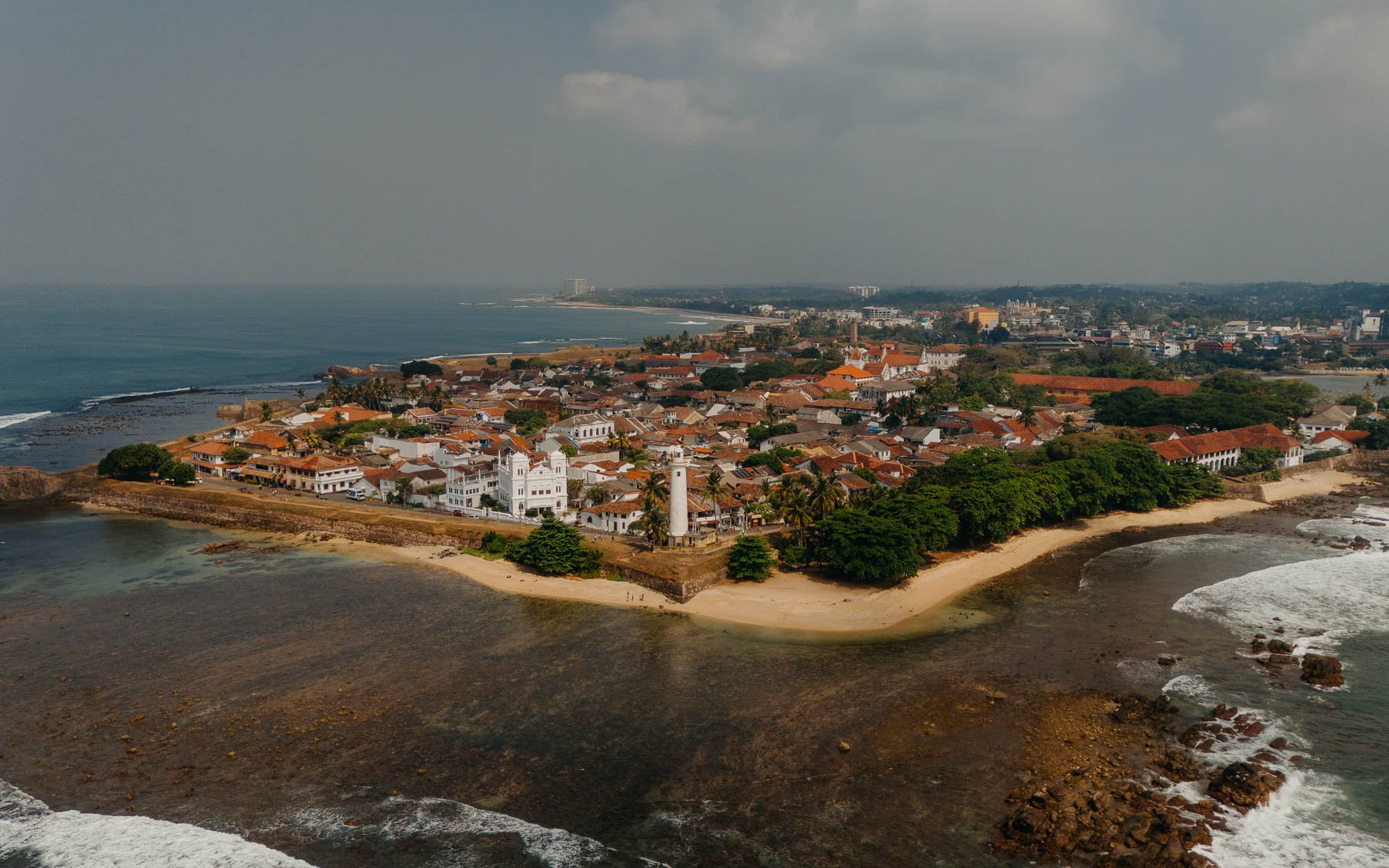
Twenty-five minutes west and several centuries back, Galle Fort is the antithesis of a modernising Ahangama, a seventeenth-century Dutch fortification and UNESCO World Heritage site, and one of the most beautiful towns in Sri Lanka.
People live inside the walls, and there are schools and mosques, washing strung between colonial shutters, kids playing in the lanes, and the cricket ground sitting just beyond the ramparts. But it’s also rapidly gentrifying, and the Fort is transforming into a tourist-centric hotspot.
That said, it’s still utterly gorgeous.
The best way to see it is slowly. Walk the ramparts, wander the lanes, stop at the lighthouse, duck into the little boutiques and galleries, and leave enough time for a long lunch or dinner inside the Fort.
Come mid-afternoon, stay for sunset, then eat before heading back to Ahangama. The light over the ramparts is lovely, the walls fill with families and couples as the heat drops, and the whole place feels at its best once the day-trippers start thinning out.
THE DETAILS
Where | Galle Fort
Where to stay in Galle | Search and book Galle Fort accommodation here
READ | Our comprehensive Galle Fort guide, where to stay in Galle Fort


HIT UP OTHER SOUTHERN COAST HOTSPOTS
Ahangama’s advantage is where it’s positioned on the south coast, right in the middle of a number of attractions, beaches and surf spots, including Galle, Weligama and Mirissa.
AT A GLANCE
WELIGAMA | 10 – 15 minutes, for learning to surf, brunch and co-working
MIRISSA | 15 – 20 minutes, for the beach and whale watching in season
UNAWATUNA | 30 – 40 minutes, for Jungle Beach and the Peace Pagoda
HIRIKETIYA | Around 1 hour, for another take on Sri Lanka’s surf-town life, although we’d stay overnight if you can
WELIGAMA
Weligama is the biggest town along this stretch and, importantly, the place we’d send a complete beginner to learn to surf. The enormous sandy-bottomed bay is considerably more forgiving than Ahangama’s reefs, with dozens of schools lining the beach.
There’s also a strong café and co-working scene. PLAN B Weligama remains a useful stop if you need breakfast and a laptop session, while Ceylon Sliders works nicely for a drink afterwards.
MIRISSA
Mirissa remains the livelier, more backpacker-oriented counterpart to Ahangama: a long beach, plenty of restaurants and bars, and the south coast’s main whale-watching harbour.
Whale trips operate during the calmer south-coast season, broadly November to April, although sightings are never guaranteed and we’d choose operators carefully around wildlife practices.
Shady Lane Mirissa is still going strong for breakfast or lunch, while Secret Beach Mirissa works for a quieter swim away from the main strip.
UNAWATUNA
Unawatuna is considerably more developed than Ahangama, which is precisely why we prefer it as a day trip rather than a base.
Go for Jungle Beach, Unawatuna, walk up to the Japanese Peace Pagoda - Rumassala, and stop at Wild and the Sage for coffee and books before heading back down the coast.
BEACHES WORTH STOPPING FOR
Dalawella Beach is probably the pick if you want calmer water than Ahangama, particularly around the reef-protected section near Wijaya Beach Hotel & Restaurant.
Thalpe Rock Pools are worth an hour when conditions cooperate, but I’d add one important qualifier: go around low tide and only when the sea is calm. The pools sit on an exposed reef shelf and aren’t somewhere I’d casually recommend during big swell.
Mihiripenna is another quieter beach to keep in mind if Dalawella is busy.


ELEPHANT SPOTTING ON SAFARI IN UDAWALAWE NP
Surf in the morning, spot elephants on safari in the evening… sounds incredible, right? While not exactly in Ahangama, it is possible to do a day trip to the wilds of Udawalawe National Park, home to Sri Lanka’s largest herd of elephants, and many other animals.
Sprawling across the southern lowlands, Udawalawe is one of the most popular parks in Sri Lanka and although the park's landscape is fairly monotonous, it provides the best viewing opportunities for elephants and other fauna.
In fact, during our multiple visits to the national park, we spotted well over 20 elephants including a number of impossibly cute bubs. It’s also possible to spot buffalo, monkeys, deer, crocodiles and leopards (although the latter is extremely rare).
Expect to spend around 4 hours in a vehicle, and pay upwards of $400 USD for the pleasure, but we think it’s worth it if you’re only in Sri Lanka for a short time. For those staying longer, we suggest spending a night in Udawalawe as a minimum on your way to the highlands/Ella.
To learn more about Udawalawe National Park, read our detailed guide here.
THE DETAILS
Where | Udawalawe National Park
Cost | LKR 3,500 per person entry. An eight-seater safari jeep will cost around LKR 3,500 for a morning hire
Where to stay in Udawalawe | Search and book Uda Walawe National Park accommodation here


THINGS TO DO IN AHANGAMA MAP
We’ve created a detailed map of the best places to visit in Ahangama, as well as where to eat, which you can download for your visit.
To save our map, click the star to the right of the map title, which will download the map to: your places - maps in your Google account.
Easy!

PLAN YOUR TRIP TO AHANGAMA + FAQS
WHERE TO STAY IN AHANGAMA
Ahangama stretches along several kilometres of coast road, so where you stay matters more than it might elsewhere. Beachfront means falling out of bed and into the surf; inland usually means a tuk-tuk every time you want dinner.
These are the three we’d book, one for each budget:
KURULU BAY
Twelve Bawa-inspired rooms on Koggala Lake, with polished concrete, bespoke furniture, a minimalist pool above the water, and a kitchen that’s genuinely worth staying in for.
One of the most beautiful places to stay around Ahangama.
BOOK | Kurulu Bay
PANTA REI RESORT
Twelve generously sized bungalows built around a large central pool and leafy communal spaces, with good food and cocktails on site.
Stylish without feeling too precious, and probably the easiest pick here with kids.
BOOK | Panta Rei Resort
MARIA BONITA
Thoughtfully decorated rooms, no pool, and two excellent beaches a short tuk-tuk away.
The reason to stay is Christina and her team, who’ll sort the scooters and transfers and make the sort of banana bread you end up thinking about afterwards.
BOOK | Maria Bonita
→ Read our full guide to the best hotels in Ahangama, with every area broken down, plus surf stays, villas and long-stay options


THE BEST TIME TO VISIT AHANGAMA
The best time to visit Ahangama is anytime from October - April, as the monsoon rains have passed and the temperatures are fairly stable. This is also the best time to surf.
That being said, the absolute BEST time to visit is between January - March, when low rainfall and calmer seas provide the perfect weather to explore or learn to surf.
We’ve been told to avoid visiting during the wet season, when the town shuts down for the season, and the surf is average. Some places will remain open, but it’ll be quiet, wet and lack any sort of vibe.
If you’re travelling to Sri Lanka during this period, head towards Arugam Bay instead.
A breakdown:
NOV–DEC | Season opening. Things come back to life, crowds are lighter early on, and there can still be the occasional heavy shower
JAN–MAR | Peak season. Best weather and surf, biggest crowds and highest prices, so we recommend booking ahead
APRIL | Our pick. Still excellent, noticeably quieter and often better value, with the chance of afternoon storms
MAY–OCT | Off season. Rougher seas, more rain and far fewer visitors, with many seasonal businesses closed or relocated to the east coast
A WARNING ABOUT AHANGAMA IN THE OFF SEASON
Here’s something that doesn’t appear in many guides to Ahangama.
Between roughly May and October, parts of Ahangama’s beachfront can all but disappear.
That isn’t really a figure of speech. The south-west monsoon pushes bigger, messier seas onto this coast, and on the narrower stretches the sand you walked across in January can be pulled offshore. Water breaks against rocks and sea walls, the ocean turns rough and churned-up, and the relationship between the town and the beach changes completely.
Then, as the seasons turn, the sand returns.
This matters if you’ve booked somewhere specifically because of the beach out front. Arrive in July with photographs of beanbags on golden sand in your head and you may instead find waves breaking almost underneath them. The café is still there. The ocean is still there. It’s a very different version of Ahangama.
It also explains why the town has such a pronounced season. From May onwards, the south-coast surf deteriorates, visitor numbers fall and plenty of restaurants, surf camps and other businesses close or scale things back.
Some operators follow the weather east towards Arugam Bay and Trincomalee, where the season is just beginning.
That doesn’t mean Ahangama shuts completely. Some of the bigger places remain open, and there are still good days between the rain. But it is noticeably quieter, the sea is rougher, and you need to check rather than assume that somewhere you saved on Instagram in February will be trading in August.
HOW TO GET TO AHANGAMA
Ahangama sits around 135km south of Colombo and 21km east of Galle, and getting here is straightforward.
PRIVATE TRANSFER
The easiest option, particularly if you're arriving straight from the airport, travelling with kids or carrying surfboards.
The drive takes roughly 2–3 hours via the expressway, depending on traffic.
TRAIN
Our favourite way to arrive. The coastal railway runs from Colombo through Galle to Ahangama, with long stretches right beside the Indian Ocean.
Allow roughly three hours from Colombo and sit on the right-hand side heading south for the best views.
BUS
The cheapest option. Air-conditioned expressway buses run from Makumbura on the outskirts of Colombo to Galle, where you can change to a local bus or tuk-tuk for Ahangama.
→ BOOK | Compare transfers and transport to Ahangama on 12Go


AHANGAMA FAQ
IS AHANGAMA WORTH VISITING?
Yes, and particularly if you want surfing, great food, good coffee and an easy base for exploring Sri Lanka's south coast.
Ahangama has changed a lot in the last few years, but for us it still gets the balance mostly right: proper surf breaks, some of the best restaurants on the coast, interesting independent hotels and enough everyday Sri Lankan life around.
It is spread out, busy and not particularly walkable, though, so don't come expecting one perfect little beach town.
AHAMAGAMA OR HIRIKETIYA? WHICH SHOULD YOU CHOOSE?
Choose Ahangama for variety; choose Hiriketiya for something smaller and more contained.
Ahangama stretches for several kilometres along the coast, with far more restaurants, hotels, surf breaks and places to work, plus Galle, Weligama and Mirissa all nearby. Hiriketiya revolves around one small horseshoe bay and is much easier to navigate on foot.
With younger kids we much preferred Ahangama - Kabalana Beach, Galle Fort nearby, and a few interesting day trips. If you have two weeks on the south coast, do both.
→ READ | Our complete Hiriketiya guide
CAN BEGINNERS SURF IN AHANGAMA?
Yes, but Ahangama isn't the best place to learn from scratch.
Many of the better-known breaks here run over reef. Marshmallows and the beach breaks can work for beginners and improving surfers when conditions are right, but if you've never stood on a board before we'd start at Weligama, around 15 minutes away. Its enormous sandy-bottomed bay is much more forgiving.
IS THERE A BEACH IN AHANGAMA?
Yes, although the amount of sand changes dramatically with the seasons.
During the main south-coast season from roughly November to April, you'll find sandy stretches around Ahangama and Kabalana. During the south-west monsoon, particularly from May to October, the narrower beaches can lose much of their sand as rougher seas push water towards rocks and sea walls.
If lying on the beach is a major reason for your trip, come during the Feb-March main season.
WHEN IS THE BEST TIME TO VISIT AHANGAMA?
The best time to visit Ahangama is generally from November to April.
January to March brings the most reliable weather and surf, but also the biggest crowds and highest prices. Late March, early April is our pick: conditions are usually still good, the crowds begin thinning and accommodation can offer better value, although afternoon storms become more likely, and it’s very humid.
From May to October the south coast is wetter and rougher, and a number of seasonal surf schools, cafés and restaurants close or relocate to Sri Lanka's east coast. Head to Arugam Bay or Trincomallee instead.
HOW MANY DAYS DO YOU NEED IN AHANGAMA?
Allow three to four days at minimum, or five to seven if you want to explore properly.
Three days gives you time to surf, eat well and spend an afternoon in Galle. With a week you can slow things down, add Koggala Lake, Handunugoda, Mirissa and a few lazy pool or beach days.
Surfers, remote workers and long-stay travellers regularly settle in for weeks.
IS AHANGAMA GOOD FOR FAMILIES?
Yes, with a little planning.
We've travelled here with our own kids and found plenty to do, but the main beaches aren't always suitable for small children when the swell is up. That said, when the tide is out Kabalana is perfect.
Hotels such as PALM offer pools and family facilities, while the calmer beaches around Dalawella and Mihiripenna are good alternatives when you want an easier swimming day.
Koggala Lake, cycling the inland back roads and short trips to Galle also work particularly well as family days.
HOW DO I GET FROM COLOMBO AIRPORT TO AHANGAMA?
The easiest option is a private transfer, which takes roughly 2–3 hours via the expressway.
That's what we'd choose after a long international flight, particularly if you're travelling with children, lots of luggage or surfboards. The more memorable alternative is to travel into Colombo and take the coastal train to Ahangama, which takes around three hours from Colombo Fort.
→ READ | Our complete guide to getting to Ahangama, including trains, buses, airport transfers and travelling with surfboards.
TRAVEL INSURANCE | STAY SAFE IN SRI LANKA
Honest take: if something goes wrong - a medical emergency, a missed ferry, a scooter accident on a coastal road - travel insurance is the difference between a stressful story and a catastrophic one.
After 10+ years of full-time travel, here's what we use:
WORLD NOMADS | Offers travel insurance for independent travellers and intrepid families. Their policies offer coverage for more than 150 activities, as well as emergency medical, lost luggage, trip cancellation and more.
GET A QUOTE | World Nomads
EXPERIENCE THE BEST OF SRI LANKA
EXPLORE AHANGAMA & THE SOUTH COAST
MORE SRI LANKA
PLAN YOUR TRIP |31 things to do in Sri Lanka · 3-week Sri Lanka itinerary · 7-day Sri Lanka itinerary · 39 essential Sri Lanka travel tips
CITY & HILL COUNTRY GUIDES |Colombo · Kandy · Jaffna
GALLE FORT |The best things to do in Galle Fort · How to get from Colombo to Galle · Where to stay in Galle Fort
WHERE TO STAY |Kandy · Ella · Yala · Best family hotels in Sri Lanka
CULTURE & WILDLIFE |Sigiriya · Pidurangala · Polonnaruwa · Anuradhapura · Yala National Park · Udawalawe National Park · Hurulu Eco Park
TRANSPORT |Kandy to Ella train · Colombo to Kandy · Colombo to Galle
ELLA | Things to do inElla, Nine Arch Bridge · Diyaluma Falls · Where to stay in Ella
SRI LANKA WITH KIDS |14-day family itinerary · Best family hotels
DISCOVER THE BEAUTY OF SRI LANKA WITH OUR GUIDES




Some of the links in this things to do in Ahangama guide are affiliate links.
f you choose to purchase using these links, we receive a small commission at no extra cost to you. Please know that by using these affiliate links, you're directly supporting The Common Wanderer to stay wandering, the running costs of the site, and our ability to provide you with free content to help you on your travels.
That, and you're officially a legend.
Getting to Hiriketiya is easier than it looks, from private transfers and coastal trains to local buses and tuk-tuks. Here are our experiences, what actually works, where to get off the train, and the option we’d choose.